



At a glance
CDC established an office in Tanzania in 2001. CDC Tanzania works closely with the government of Tanzania and partner organizations to prevent, detect, respond to, and control infectious disease outbreaks. CDC’s work aims to protect the health of Americans and support public health around the world.
Key accomplishments
- Protected the health and future of newborns by preventing 52,838 HIV infections in 2024 among infants born to mothers living with HIV through prevention of mother-to-child transmission services.
- Strengthened national laboratory and surveillance systems through the implementation of surveys, routine surveillance, and provision of support to over 4,500 public health laboratories.
- Trained nearly 1,100 residents through the advanced, intermediate, and frontline Field Epidemiology and Laboratory Training Programs (FELTP) since 2008. Graduates have collectively responded to over 150 outbreaks and public health emergencies.
- Established the National Public Health Emergency Operations Center (EOC), five regional EOCs, and provided technical assistance to 18 more. These systems enhance early warning alert detection and rapid response across Tanzania and Zanzibar and were instrumental in stopping the 2025 Marburg Virus Disease (Marburg) outbreak.
- Made significant progress toward HIV epidemic control by supporting over 1.5 million people on life-saving antiretroviral therapy, with 98% achieving viral suppression.
Global health security
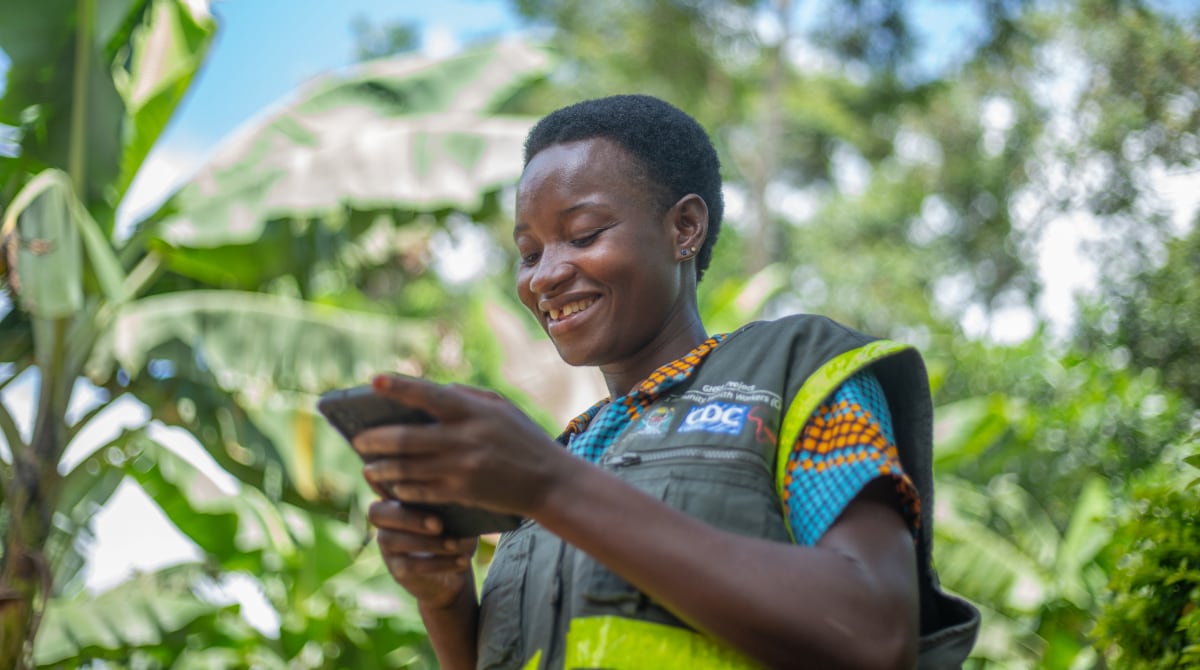
Tanzania has 54 official borders with eight different countries, including the African Great Lakes region. This geographic scope increases the country’s vulnerability to cross-border disease outbreaks and epidemic spread. CDC works closely with the Government of Tanzania and partners within the One CDC model, where expertise, programs, and platforms are leveraged to provide the most impactful health outcomes in the country. This collaboration ensures that the country is better prepared to prevent, detect, and respond to public health threats to improve the health and well-being of Tanzanians and prevent disease from reaching American shores.
Health security systems
Supports Tanzania to strengthen International Health Regulations core capacities to:
- Comprehensively prevent public health threats
- Rapidly detect public health threats
- Effectively respond to public health threats
- Successfully apply “All Hazards” contingency plans
Disease surveillance
CDC also supports strengthened disease surveillance activities including:
- Expansion of the electronic community and facility-based surveillance for detection of early warning alerts.
- Training the public health workforce, including district-level epidemiologists
- Strengthening of border health capabilities
- Enhanced laboratory testing for pathogens like Ebola and COVID-19
- Establishment of national and subnational EOCs
Workforce development
CDC established FELTP in 2008. In 2016, Tanzania’s FELTP expanded to include three training programs for frontline, intermediate, and advanced residents. Graduates have collectively responded to over 150 outbreaks and public health emergencies. CDC also launched Project ECHO in 2016. The project uses teleconferencing to facilitate case-based learning and knowledge sharing between participants and subject matter experts. More than 463 hospitals, health facilities, and high-volume dispensaries across 31 regions in Tanzania and Zanzibar use Project ECHO for knowledge sharing.
Emergency management systems
CDC collaborated with partners to help Tanzania establish and activate a fully functional Public Health Emergency Operations Center (PHEOC) in 2015. The PHEOC has coordinated responses to a broad range of public health emergencies. These responses have included monkeypox, COVID-19, cholera, Marburg, anthrax, dengue, aflatoxin, among others.
HIV and TB
As a key implementer of the U.S. President's Emergency Plan for AIDS Relief (PEPFAR), CDC plays an essential role in the fight against HIV and TB. With unmatched scientific and technical knowledge and long-standing relationships with ministries of health, CDC is uniquely positioned to advance HIV, TB, and other global health security activities that keep Americans safe at home and abroad.
Through PEPFAR, CDC provides critical support to Tanzania's public health infrastructure, improving the country's ability to prevent, detect, and respond to HIV, TB, and other infectious diseases and minimizing their risk from entering the U.S.
Malaria
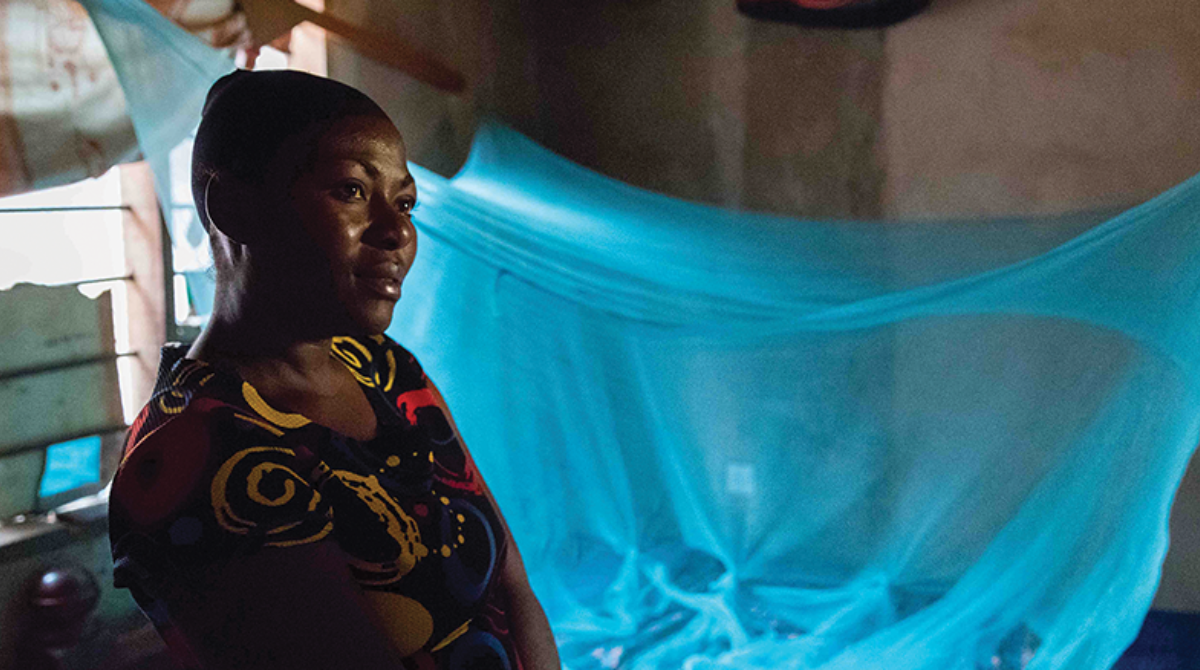
CDC has collaborated with partners to support implementation of malaria prevention and control activities in Tanzania since the late 1990s. CDC-supported activities have included providing technical input in:
- Distributing long-lasting insecticide-treated nets and artemisinin-based combination therapy
- Preventing malaria in pregnancy
- Improving diagnostics and case management
- Strengthening laboratory services
![[thumbnail] (hidden)](/global-health/media/images/2025/11/Tanzania_thumbnail.jpg)