



At a glance
CDC has collaborated with Madagascar’s Ministry of Health (MOH) since 2008 to build and strengthen the country’s core public health capabilities. These include data and surveillance; workforce and institutions; prevention and response; and innovation and research. Priority program areas address malaria and measles prevention, enhancing polio and rotavirus immunization efforts, and strengthening polio and influenza surveillance and response.

Key accomplishments
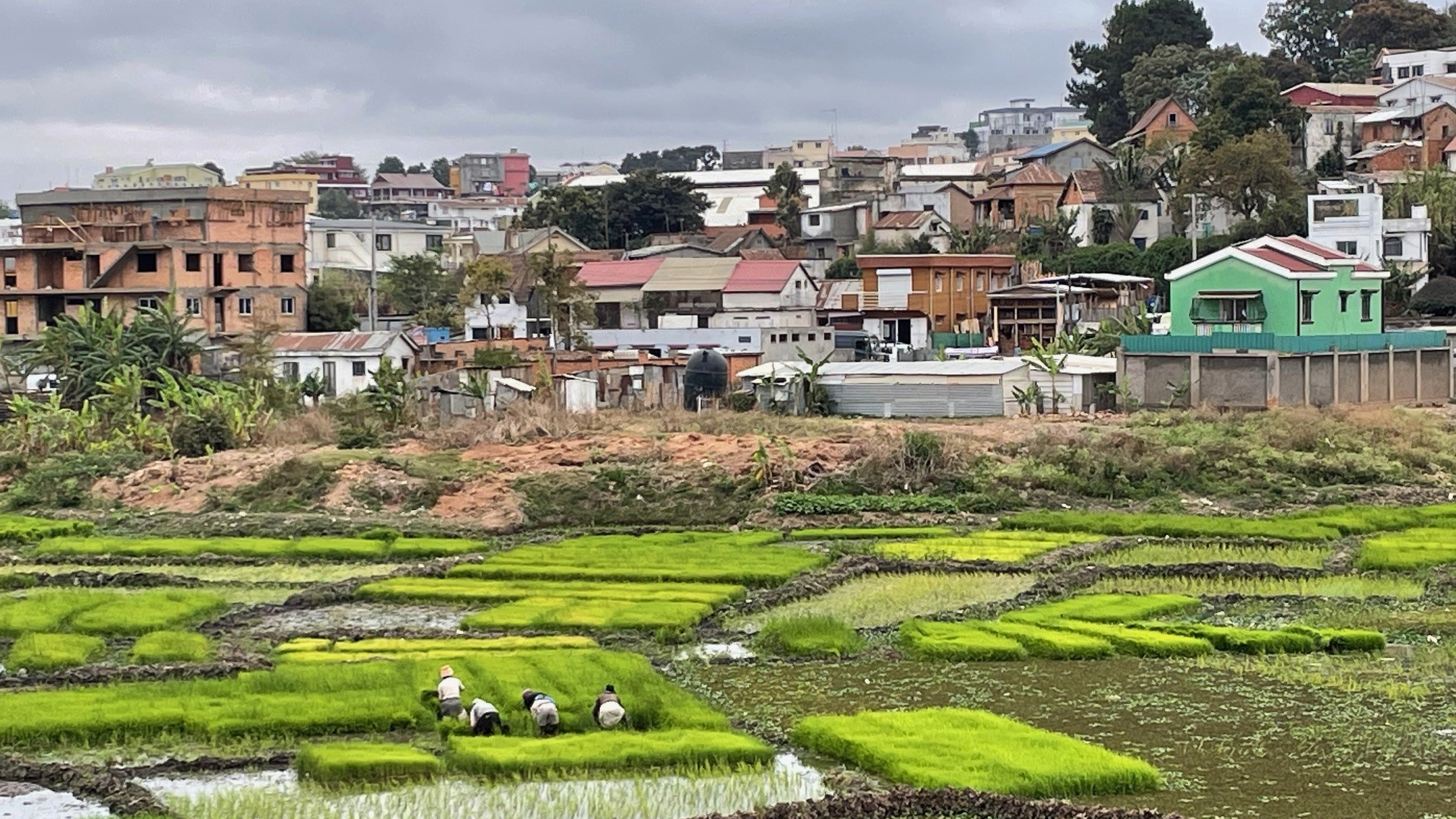
- Supported three hospitals in Antananarivo, the capital city, to monitor causes of diarrhea and vaccine performance.
- Supported training for 59 professionals in basic applied epidemiology who graduated from the Field Epidemiology Training Program (FETP) since 2022.
- Delivered over 29 million mosquito nets, nearly 6 million malaria preventive treatments for pregnant women, over 25 million malaria rapid diagnostic tests, over 13 million doses of fast-acting malaria medicine, and insecticide spray to 5 million homes.
- Supported introduction of malaria vaccines in the national routine immunization system, becoming the first country to take this action following pilot projects elsewhere in Africa.
- Piloted the STOP Immunization and Data Specialists (ISDS) strategy to improve the management, quality, and use of immunization and vaccine-preventable disease surveillance data. Madagascar is the third country and the first French-speaking country to do so.
Workforce development
Since 2022, CDC has strengthened Madagascar’s disease surveillance capacity by launching the FETP Frontline tier. To date, 59 district-level staff have been trained in applied epidemiology, building critical skills to detect and respond to health threats at the local level. CDC provides ongoing technical support, sharing tools and guidance to ensure program sustainability and continued growth.
Malaria
Malaria is one of the top five causes of death in Madagascar. The entire population of the country is at risk of the disease. From 2008 to 2025, CDC collaborated with partners to support implementation of malaria prevention and control activities in Madagascar. CDC-supported activities included providing technical input in:
- Distributing bed nets treated with long-lasting insecticide
- Preventing malaria in pregnancy
- Improving prompt case management
- Insecticide spraying in houses to protect residents for up to eight months
- Using rapid tests to diagnose malaria and then treat people who test positive
Since 2008, CDC's support has helped deliver:
- Over 29 million mosquito nets, resulting in a 21% increase in the number of homes with at least one net.
- Nearly 6 million malaria preventive treatments in pregnant women.
- Over 25 million rapid diagnostic tests and 13 million doses of fast-acting malaria medicine.
- Insecticide to spray 5 million homes.
Immunization
Measles
Madagascar experienced a large outbreak of measles beginning in October 2018. CDC’s international measles group provided technical assistance to the Madagascar MOH and partners in support of the outbreak response.
Polio
CDC collaborates with the MOH and other partners in the Stop the Transmission of Polio (STOP) Immunization and Data Specialists (ISDS) strategy. The partnership supports improvement of staff capacity at regional, district, and health facility levels. On-the-job training and mentorship build skills in the proper management and use of immunization and vaccine-preventable diseases surveillance data.
Rotavirus
Diarrheal disease is one of the largest causes of illness and death in Madagascar, particularly for young children. CDC supports three hospitals in the capital city to monitor causes of diarrhea and vaccine performance.
Influenza
CDC works with partners to detect, respond, and mitigate seasonal and pandemic influenza. Key activities include:
- Strengthening influenza surveillance and response
- Supporting avian influenza surveillance at the animal-human interface
- Supporting outbreak investigations for novel influenza viruses
- Enhancing pandemic influenza preparedness
![[thumbnail] (hidden)](/global-health/media/images/2024/11/Madagascar_FS_2024_thumbnail.jpg)