



Key points
- Certain groups of people are at higher risk for severe illness from foodborne illness.
- Higher risk groups include people who are 65 and older, children under 5, people with weakened immune systems, and pregnant women.
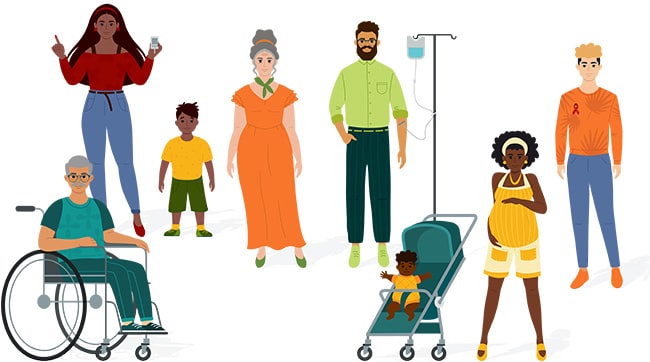
People at increased risk
Anyone can get food poisoning, but certain groups of people are more likely to get very sick from food poisoning. For these people, their body may not be able to fight germs and sickness as effectively.
It's especially important to take steps to prevent food poisoning if you or someone you care for belong to one of the groups below.
People 65 and older
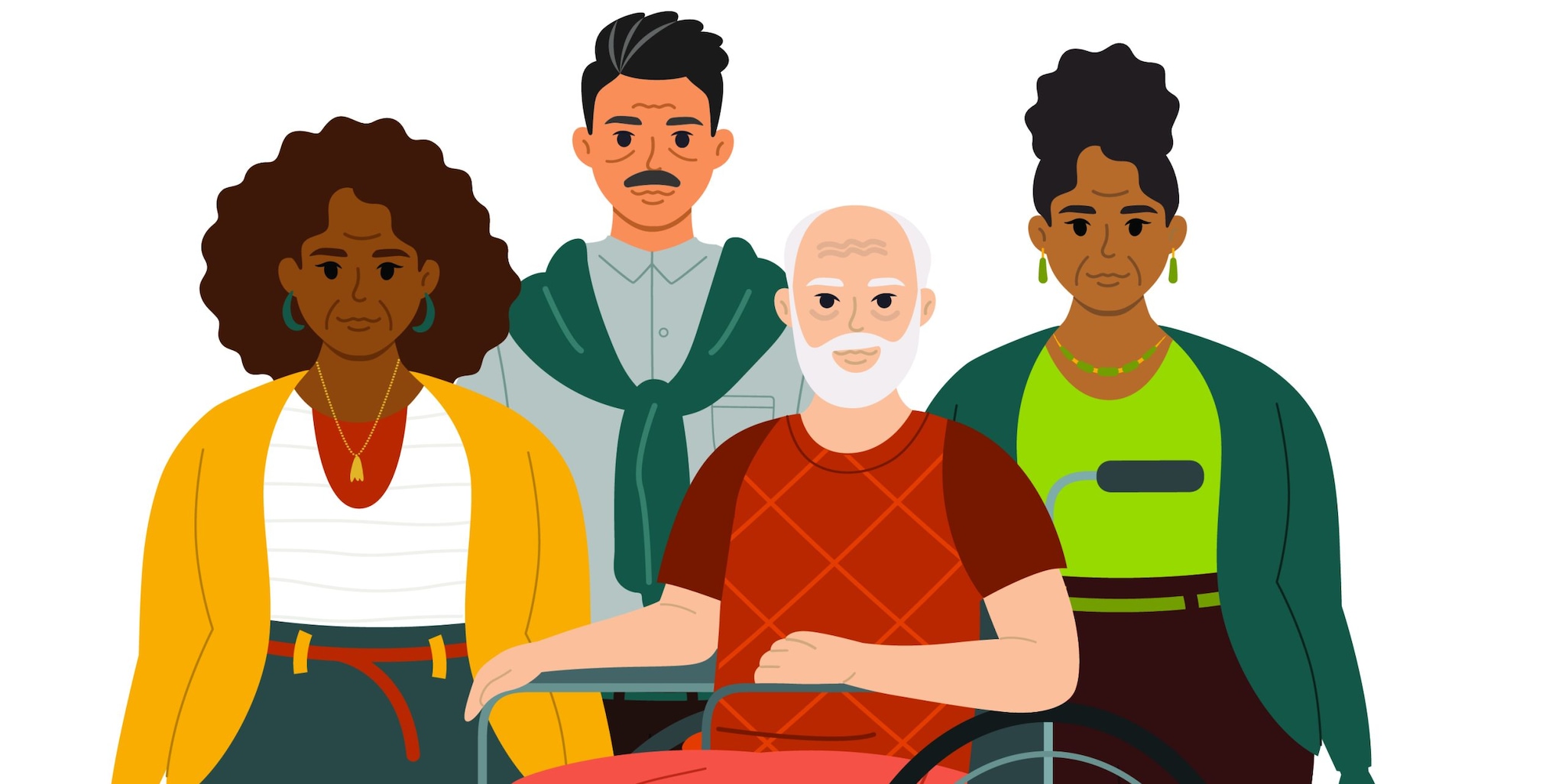
As people age, their immune systems and organs don't recognize and get rid of harmful germs as well as they once did. This increases the chance they'll get sick from food poisoning. Nearly half of people aged 65 and older who have a lab-confirmed foodborne illness from Salmonella, Campylobacter, Listeria or E. coli are hospitalized.
Children under 5
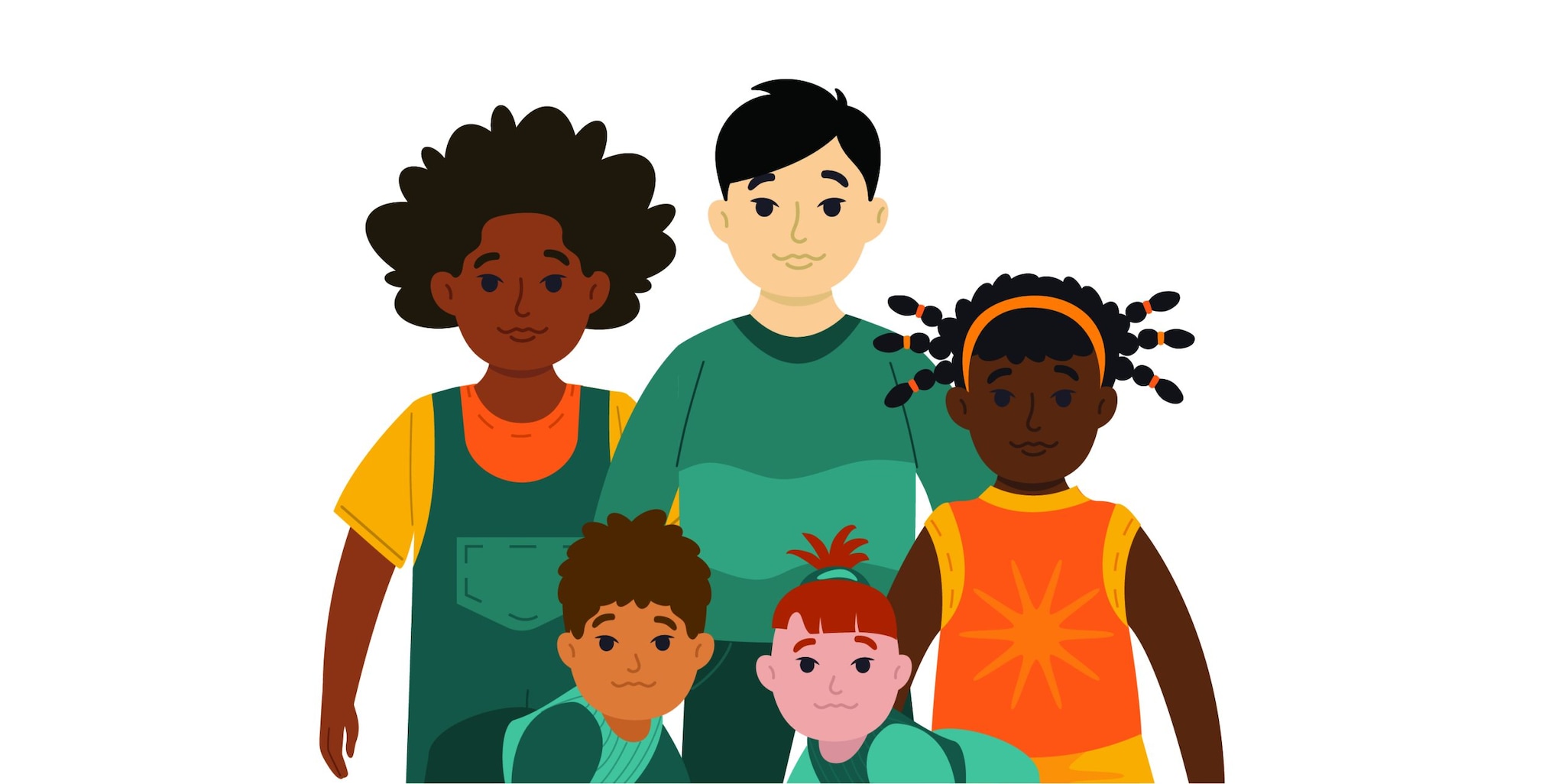
Young children's immune systems are still developing, so their body's ability to fight germs and sickness isn't as strong. Food poisoning can be particularly dangerous for them because illness can lead to diarrhea and dehydration.
Children younger than 5 are three times more likely to be hospitalized if they get a Salmonella infection. Kidney failure strikes 1 out of 7 children under age 5 who are diagnosed with E. coli O157 infection.
People with a weakened immune system
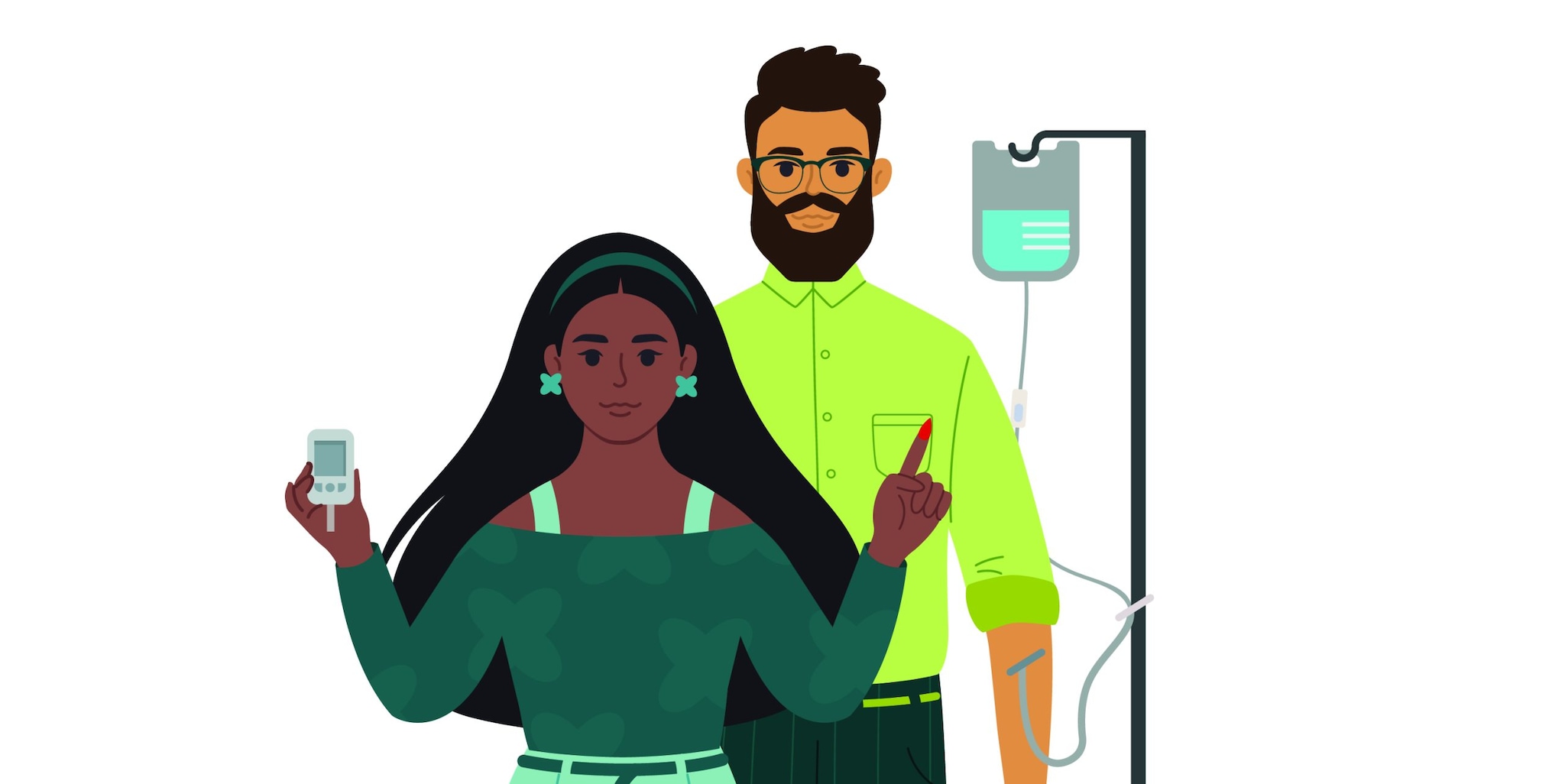
Having a weakened immune system may make it harder to fight germs and sickness effectively. Weakened immune systems may be due to diabetes, liver disease, kidney disease, alcoholism, HIV, autoimmune disorders such as lupus, or receiving chemotherapy or radiation therapy. For example, people on dialysis are 50 times more likely to get a Listeria infection.
Pregnant women
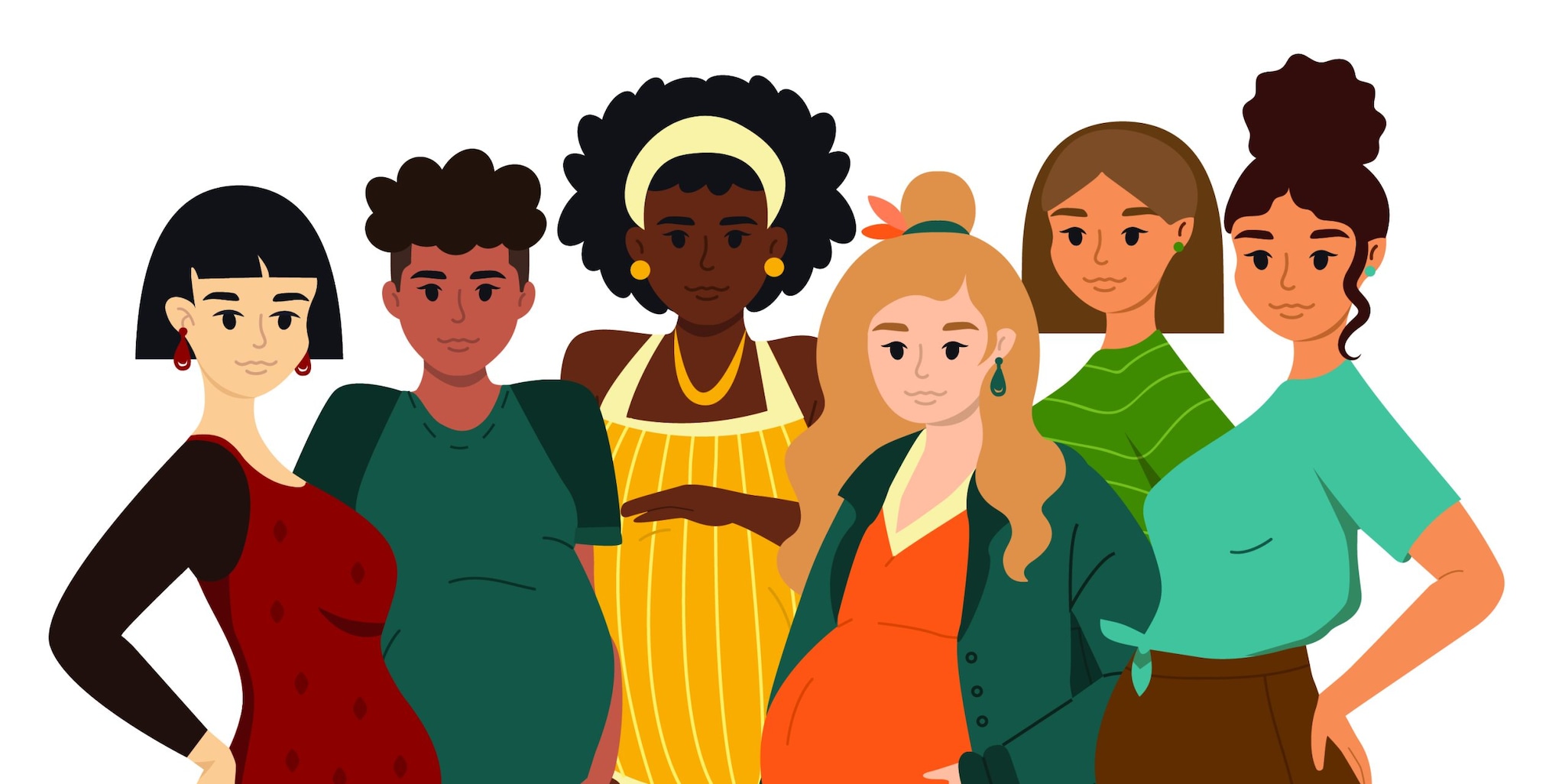
If you are pregnant, you are more likely than other people to get sick from certain germs. For example, pregnant women are 10 times more likely to get a Listeria infection.