



Key points
- Eastern equine encephalitis virus can cause a mild illness or severe disease, including meningitis or encephalitis.
- Most people have no or mild symptoms, but severe illness can result in long-term complications and death.
- Talk to your healthcare provider if you think you or a family member might have eastern equine encephalitis.
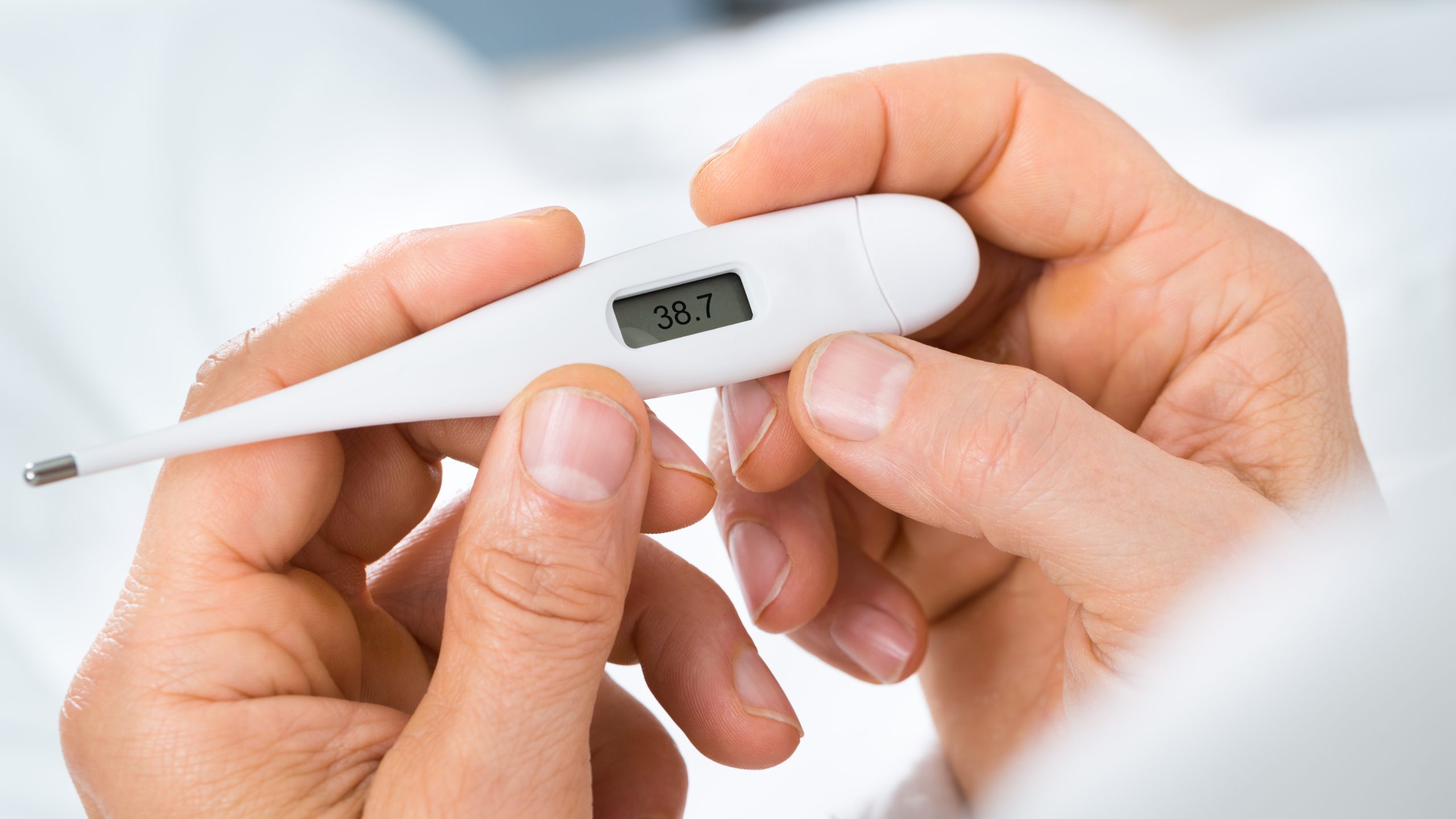
Symptoms
Most people infected with eastern equine encephalitis virus do not develop symptoms. For those who develop symptoms, the time from an infected mosquito bite to onset of illness (incubation period) ranges from 4 to 10 days.
Eastern equine encephalitis virus infection can result in mild illness (febrile) or severe (neurologic) disease. The type of illness will depend on the age of the person and other factors.
Mild illness
Symptoms of mild illness can include:
- Fever
- Chills
- Body aches
- Joint pain
The illness lasts 1 to 2 weeks, and most people recover completely when there is no central nervous system involvement.
Severe illness
Symptoms of severe illness can include meningitis (inflammation of the membranes that surround the brain and spinal cord) or encephalitis (inflammation of the brain).
- Fever
- Headache
- Vomiting
- Diarrhea
- Seizures
- Behavioral changes
- Drowsiness
- Coma
In infants, severe illness often occurs soon after onset. In older children and adults, encephalitis might occur after several days of systemic illness.
Outcomes and complications
Approximately a third of all people who develop severe illness die. Death usually occurs 2 to 10 days after onset of symptoms but can occur much later.
Many people who recover are left with long-term physical or mental problems. These can range from mild to severe intellectual disability, personality disorders, seizures, paralysis, and cranial nerve dysfunction.
People with severe disease and ongoing disabilities often require long-term care and die within a few years.
Testing and diagnosis
If you think you or a family member might have eastern equine encephalitis, talk to your healthcare provider.
Healthcare providers diagnose eastern equine encephalitis based on:
- Signs and symptoms
- History of living in or traveling to an area where eastern equine encephalitis virus is known to circulate
- History of possible exposure to the mosquitoes that can spread eastern equine encephalitis virus
- Laboratory testing
Your healthcare provider can order tests to look for eastern equine encephalitis virus or other infections that can cause similar symptoms.