



Key points
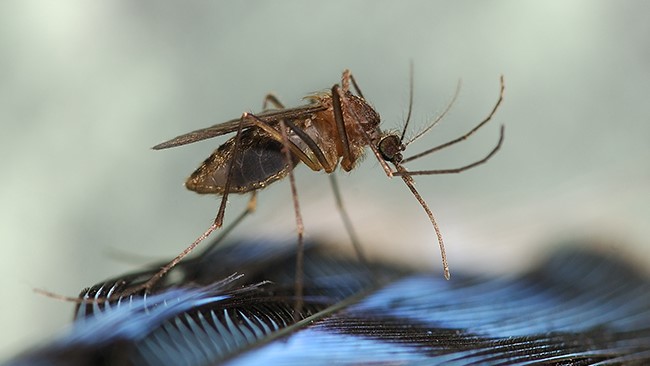
- Eastern equine encephalitis is caused by a virus spread to people through the bite of an infected mosquito.
- It is a rare but serious disease.
- People living in areas where eastern equine encephalitis virus circulates should protect themselves by preventing mosquito bites.
Overview
Eastern equine encephalitis is a rare disease caused by a virus spread by infected mosquitoes. Only a few cases of eastern equine encephalitis are reported in the United States each year. Most cases occur in eastern or Gulf Coast states.
Symptoms
Symptoms of eastern equine encephalitis can include fever, headache, vomiting, diarrhea, seizures, behavioral changes, and drowsiness.
How it spreads
Eastern equine encephalitis virus spreads to people through the bites of infected mosquitoes. Rarely, the virus can also spread through solid organ transplantation.
Prevention
No vaccines or medicines are available to prevent eastern equine encephalitis in people. Reduce your risk of infection by preventing mosquito bites.
Testing and diagnosis
See your healthcare provider if you have symptoms after being exposed to mosquitoes in an area where eastern equine encephalitis virus spreads.
Treatment
No medicines are available to treat eastern equine encephalitis. Antibiotics are not effective against viruses, such as eastern equine encephalitis virus.
- Rest, fluids, and over-the-counter pain medicines might relieve some symptoms.
- For severe disease, patients often need to be hospitalized to receive supportive treatment, such as intravenous fluids, pain medicine, and nursing care.
For healthcare providers: Treatment and Prevention of Eastern Equine Encephalitis