



Key points
- Blastomycosis is a lung infection caused by breathing spores from Blastomyces, a fungus found in soil in some areas.
- Symptoms include fever, shortness of breath, and cough.
- About half of people who are infected with Blastomyces have symptoms.
- People with weakened immune systems are at risk for severe infections.
Overview
Blastomycosis is an infection caused by the fungus Blastomyces. Infections are caused by breathing in fungal spores. Blastomyces lives in soil in parts of the U.S.
About half of the people who breathe in fungal spores do not become sick. Infections typically cause symptoms of pneumonia and sometimes cause skin infections. People with weakened immune systems are at risk for severe illness.
Symptoms
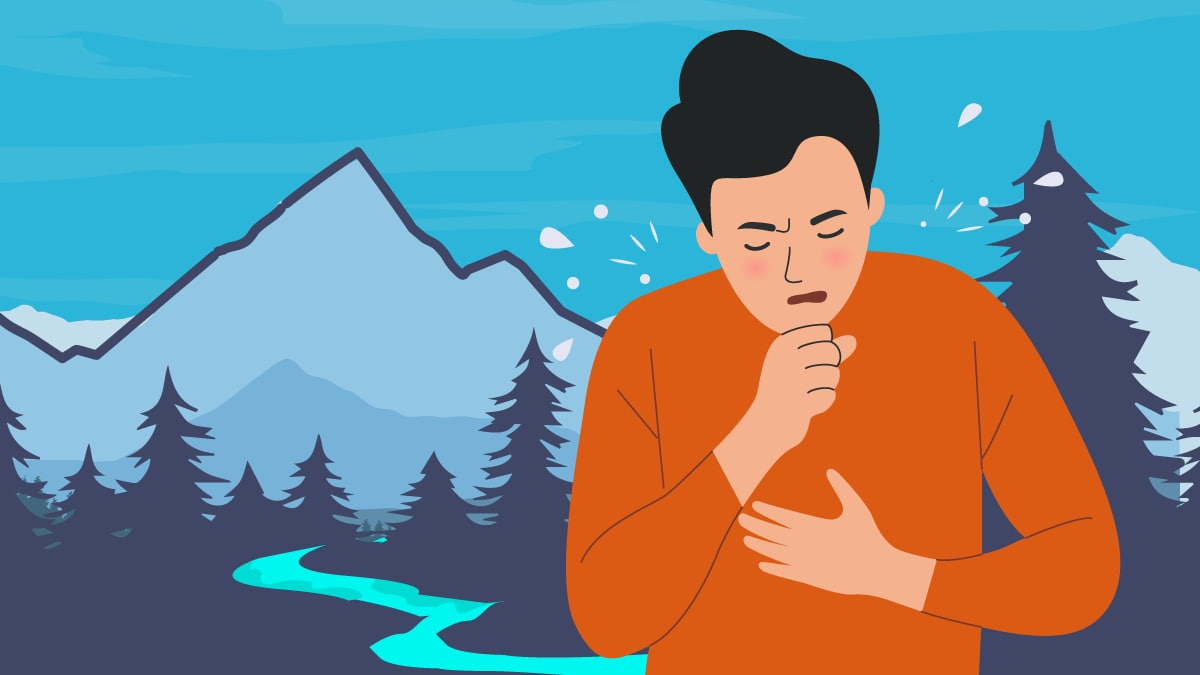
Symptoms of blastomycosis usually start between three weeks and three months after breathing in spores. Most infections are in the lungs and cause symptoms of pneumonia. Symptoms may include:
- Fever
- Cough
- Shortness of breath
- Night sweats
- Muscle aches and pain in joints, back, chest, or ribs
- Weight loss
- Fatigue (extreme tiredness)
Some people with blastomycosis may also develop skin lesions, such as raised bumps, blisters, or ulcers.

Severe blastomycosis
Severe blastomycosis mostly affects people with weakened immune systems. Infection can spread from the lungs to other parts of the body. Severe infections may spread to the skin, bones and joints, and the central nervous system (the brain and spinal cord).
Testing and results
Testing
Healthcare providers may test for blastomycosis if a patient has
- Been in an area where Blastomyces lives in the last three months and
- has symptoms of pneumonia, especially if antibiotics do not help, or
- has new skin lesions (such as raised bumps, blisters, or ulcers), or
- has been involved in an activity related to an outbreak.
What to expect
Healthcare providers may ask about medical and travel history and symptoms. To test for blastomycosis, they collect blood, urine, or tissue samples. These samples are sent to a laboratory for testing.
Healthcare providers may do imaging tests, such as chest x-rays or CT scans of lungs.
Results
The length of time it takes to get test results depends on the type of test. Results from a blood or urine test are usually available in a few days. When healthcare providers send a sample to a laboratory to be cultured, the results could take a couple of weeks.
Treatment and recovery
Most people who have symptoms from blastomycosis will need treatment with prescription antifungal medication. The antifungal itraconazole is usually used to treat mild to moderate blastomycosis. Amphotericin B is usually recommended for severe blastomycosis.
Healthcare providers may test patients' blood to check if there is enough antifungal medication in their body. Patients usually need to take antifungal treatment for six months to one year. The length of treatment depends on a persons's immune system and the severity of infection.
This page was last updated on this date. Updates may include minor edits, image changes, or other modifications to page content.
The information on this page was last reviewed by subject matter experts to ensure accuracy.