



Key points
- Anthrax exposure is rare in the U.S., but some activities can put people at greater exposure risk.
- Vaccine and prophylactic antibiotics should be administered immediately to patients who might have been exposed to anthrax.
- Anthrax can cause severe illness and death if not treated quickly after symptoms develop.
- Anthrax symptoms, diagnostic testing requirements, and treatments can vary by route of exposure.
Overview
Anthrax is a serious infectious disease caused by Bacillus anthracis bacteria or other Bacillus species bacteria that produce anthrax toxin. It occurs naturally in soil and commonly affects domestic and wild animals around the world. People can also contract anthrax if they are exposed during a bioterrorism event.
Anthrax is not contagious, and it can cause severe illness in both people and animals. It's rare for people in the United States to be exposed to and become ill with anthrax.
People can contract anthrax if they:
- Come in contact or work with infected animals or contaminated animal products (including meat, wool, hides, hair)
- Consume food or water contaminated by B. anthracis
- Are exposed to anthrax in a laboratory that handles B. anthracis
- Are exposed during a bioterrorism attack
Certain activities or occupations can increase a person's chances of exposure and infection to B. anthracis.
Types
The type of anthrax symptoms a person develops depends on route of infection: through the skin, lungs, or gastrointestinal tract. All types of anthrax can eventually cause systemic illness and death without prompt antibiotic treatment.
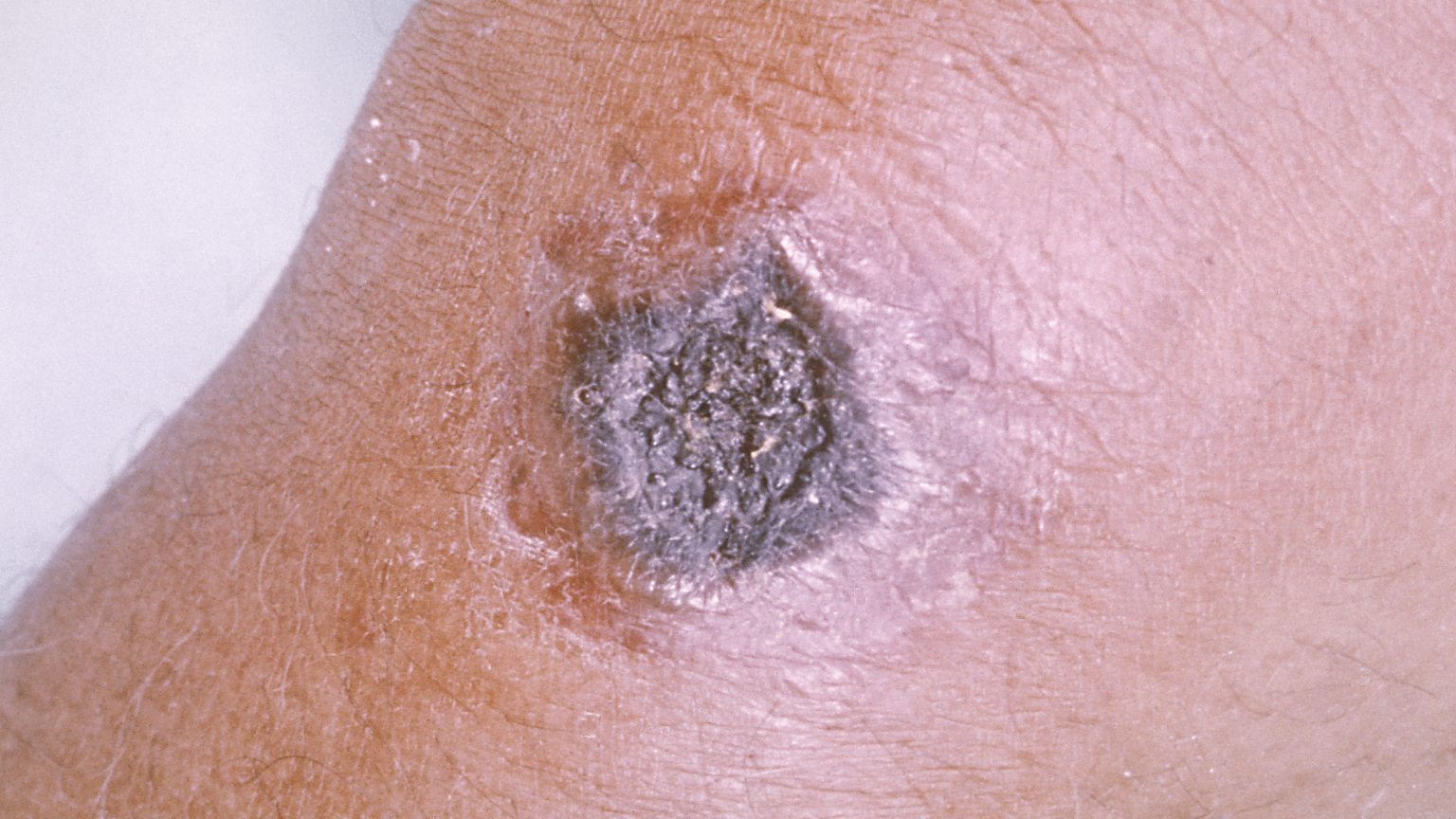
Cutaneous anthrax
This most common form of anthrax infection occurs when anthrax spores get into the skin, usually through a cut or scrape. Cutaneous anthrax most often presents on the head, neck, forearms, and hands. It affects the skin and tissue around the site of infection. This form of anthrax is also considered to be the least fatal. Infection usually develops from 1 to 7 days after exposure. Exposure occurs when a person handles infected animals or contaminated animal products like wool, hides, or hair.
Without treatment, up to 20% of people with cutaneous anthrax die. With appropriate antibiotic treatment, almost all patients with cutaneous anthrax survive.
Inhalation anthrax
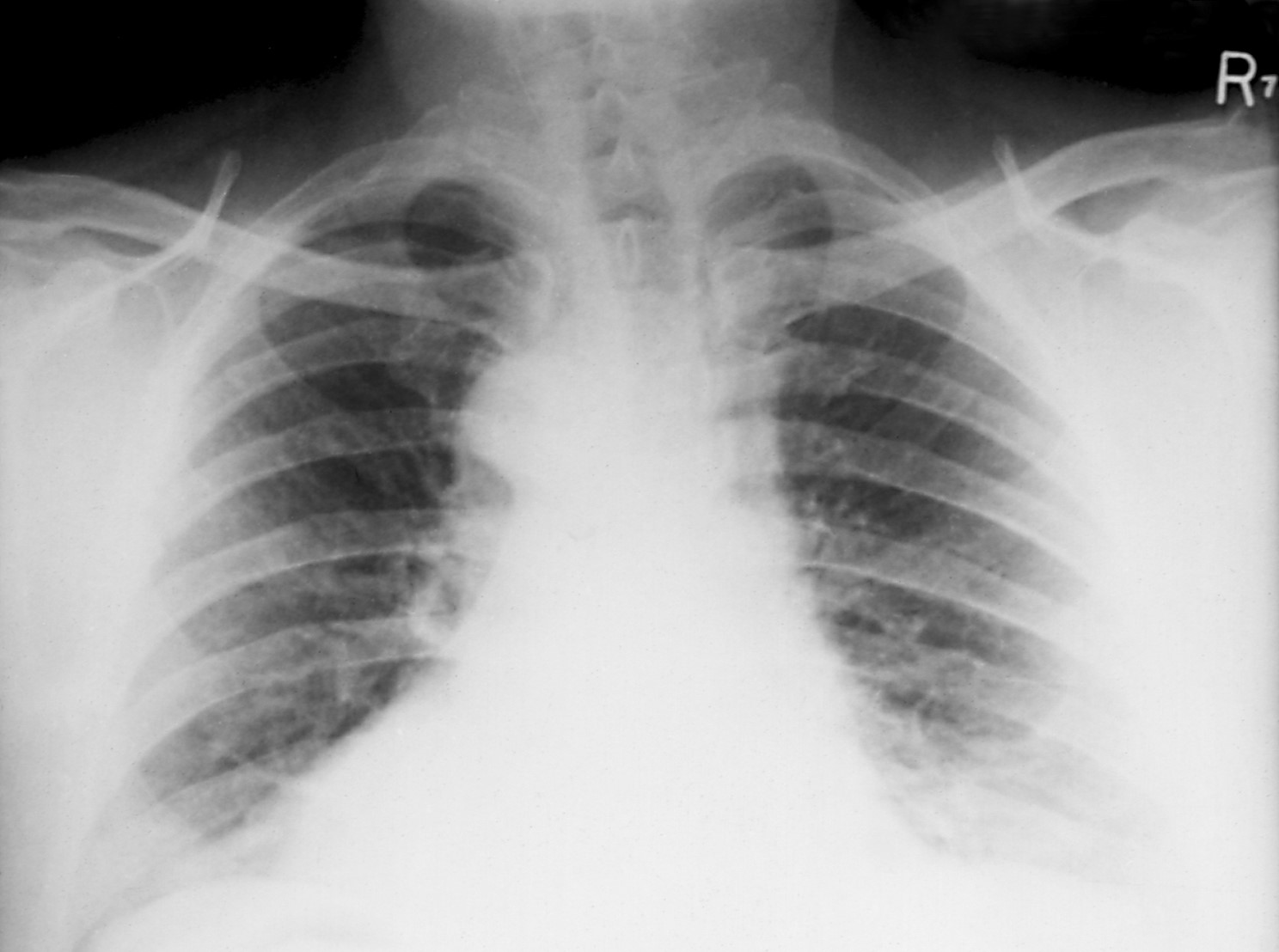
This deadliest form of anthrax occurs when a person inhales anthrax spores. Infection usually develops within a week after exposure, but it can take up to 2 months.
People who work in places such as wool mills, slaughterhouses, and tanneries may breathe in the spores when working with infected animals or contaminated animal products. Inhalation anthrax starts primarily in the lymph nodes in the chest before systemic infection, ultimately causing severe respiratory distress and shock.
Without treatment, inhalation anthrax is almost always fatal. However, with aggressive treatment, about 55% of patients survive.
Gastrointestinal anthrax
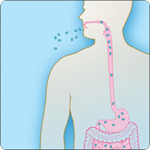
This form has rarely been reported in the United States, but it occurs when a person eats raw or undercooked meat from an animal infected with anthrax. Once ingested, anthrax spores can affect the upper gastrointestinal tract (throat and esophagus), stomach, and intestines, causing a wide variety of symptoms. Infection usually develops from one to seven days after exposure.
Without treatment, more than half of patients with gastrointestinal anthrax die. However, with proper treatment, 60 percent of patients survive.
Injection anthrax
Injection anthrax has been identified in heroin-injecting drug users in northern Europe, but it hasn't been reported in the United States to date. Injection anthrax is similar to cutaneous anthrax and causes infection deep under the skin or in the muscle where the drug was injected.
Signs and symptoms
The symptoms of anthrax depend on the type of infection and can present anywhere from 1 day to more than 2 months after exposure. If untreated, all types of anthrax have the potential to become a systemic infection and cause severe illness and death.
Symptoms can include:
- Blisters or bumps that may itch and progress to a painless black sore
- Fever and chills
- Heavy sweats
- Enlarged lymph nodes around neck
- Nausea, vomiting (especially vomiting)
- Sore throat or difficulty swallowing
- Abdominal pain, diarrhea or bloody diarrhea
- Chest pain, cough, or shortness of breath
- Body aches or extreme fatigue
- Severe headache, altered mental status, neurologic deficits
Testing and diagnosis
Healthcare providers in the United States rarely see a patient with anthrax. CDC consultation is available to help doctors diagnose anthrax, take patient histories to determine how exposure may have occurred, and order necessary diagnostic tests.
An anthrax diagnosis can be confirmed only by:
- Measuring lethal factor toxin in blood
- Testing for B. anthracis in blood, skin lesion swab, cerebrospinal fluid, or respiratory secretions
If you suspect inhalation anthrax because the patient has commonly associated signs including mediastinal widening or pleural effusion, chest X-rays or CT scans can assist with diagnosis. If you suspect welder’s anthrax due to the patient's occupation as a welder or metalworker, chest X-rays or CT scans can assist with pneumonia diagnosis.
Treatment
Post-exposure prophylaxis
Patients who are exposed to anthrax require PEP with vaccines and antibiotics.
Vaccines
There are 2 types of anthrax vaccines approved by the Food and Drug Administration (FDA) for PEP in people ages 18 to 65:
- Anthrax Vaccine Adsorbed (AVA) (BioThrax®), which consists of 3 shots of anthrax vaccine over 4 weeks
- Anthrax Vaccine Adsorbed adjuvanted (AVA,A) (Cyfendus®), which consists of 2 shots of anthrax vaccine given 2 weeks apart
Vaccination is recommended as PEP for unvaccinated individuals who may have been exposed to anthrax (e.g., bioterrorist event, accidental laboratory exposure).
PEP vaccination is not recommended in non-aerosol exposure settings (e.g., cutaneous) without systemic signs or symptoms.
Antibiotics
Antibiotics can be used 2 ways for anthrax:
- As PEP in people who have been exposed but have not developed symptoms
- Anthrax spores typically take 1 to 7 days to be activated, but some spores can remain dormant for up to 60 days or more before they are activated. Therefore, PEP for anthrax includes up to 60 days of antibiotics.
- As treatment for all types of anthrax infection
Two of the most common antibiotics given both to prevent and treat anthrax infection include:
Severe illness
Severe illness can occur if treatment is delayed because the patient didn't know they were exposed to anthrax. Anthrax toxins are released when anthrax spores are activated. Once these toxins have been released in the body, treatment includes anthrax antitoxin used together with other therapeutic options including antibiotics.
Patients who have developed symptoms and have serious cases of anthrax require hospitalization. They may require aggressive treatment and supportive care, including continuous pleural fluid drainage and mechanical ventilation.
Anthrax reporting
Anthrax is a nationally notifiable and reportable disease in all U.S. states and territories. Anthrax cases must be reported to state and territorial jurisdictions when identified by a healthcare provider, hospital, or laboratory. Specific requirements for who must report cases and when to report vary by jurisdiction.