Primary Navigation for the CDC Website
CDC en Espaņol

China

china map

Map of China

Overview

The collaboration in China focusing on emerging and re-emerging infectious diseases was initiated by the Ministry of Health (MOH) of the People’s Republic of China and the U.S. Department of Health and Human Services (HHS) in 2006. Both the International Emerging Infections Program (IEIP) and influenza activities are covered under this collaboration. Two other China MOH-U.S. Centers for Disease Control and Prevention (CDC) programs addressing infectious diseases in China include the Field Epidemiology Training Program and the Global AIDS Program.

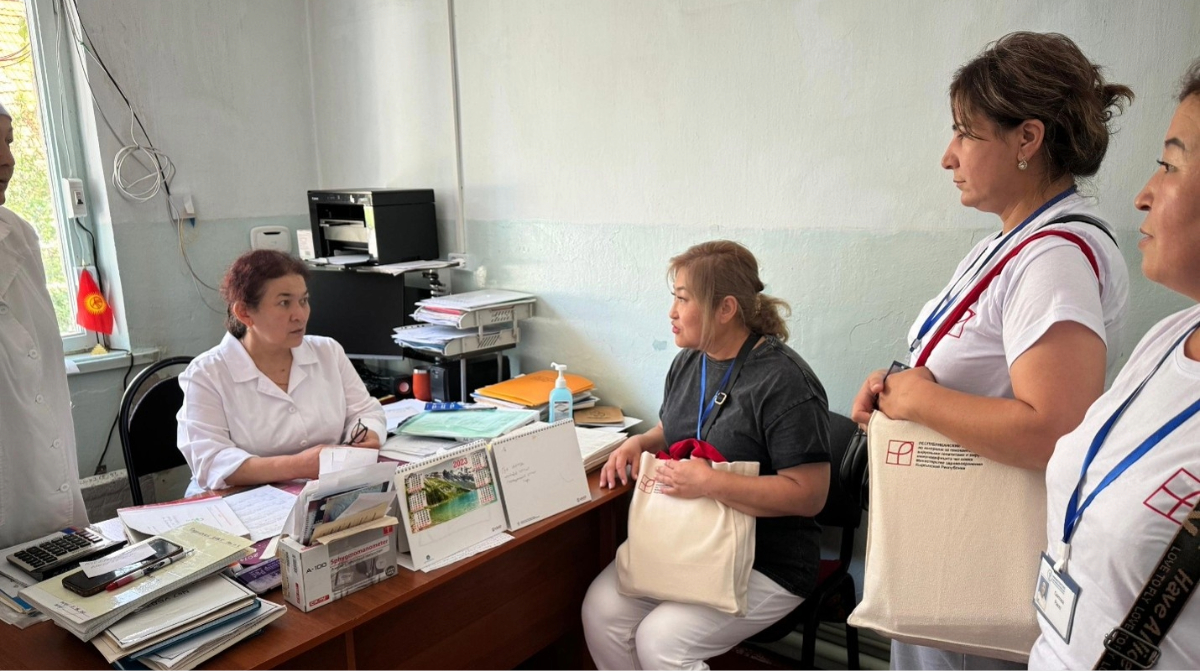
The IEIP program office is located within the Chinese Center for Disease Control and Prevention in Beijing. Like other IEIP sites, core activities in China are surveillance, outbreak support, epidemiologic research, training, and integration of laboratory and epidemiology programs into larger international networks. These activities collectively strengthen the Chinese and U.S. health and medical scientists’ understanding of the epidemiology, prevention, control, diagnosis, and treatment of infectious diseases as well as the operational aspects of preparedness and response to emerging infectious diseases. China collaborative activities are directed during annual MOH and HHS meetings with representation from senior health officials; program staff meet more frequently to coordinate specific projects. In addition, there is an annual scientific meeting in China to review progress on specific projects.

Recognizing the health and economic threats that respiratory diseases such as severe acute respiratory syndrome (SARS) and highly pathogenic avian influenza pose, IEIP-China activities focus on pneumonia surveillance and laboratory diagnosis as well as associated training and capacity building for this and other diseases. Public health surveillance, research, and training activities for diarrheal, vector-borne and zoonotic diseases are also accomplished through China’s IEIP collaborative program.

Since its establishment in late 2006, IEIP-China:

  1. Conducted high-level meetings with Chinese health officials to establish long- and short-term priorities for joint emerging infectious disease detection and control activities.
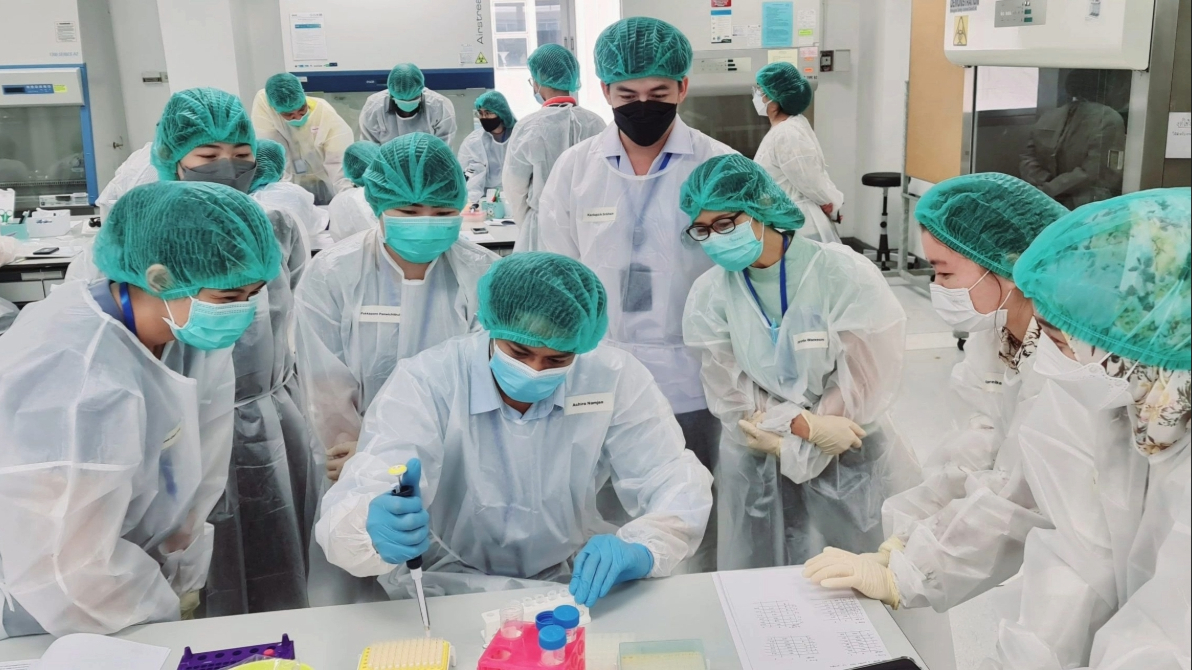
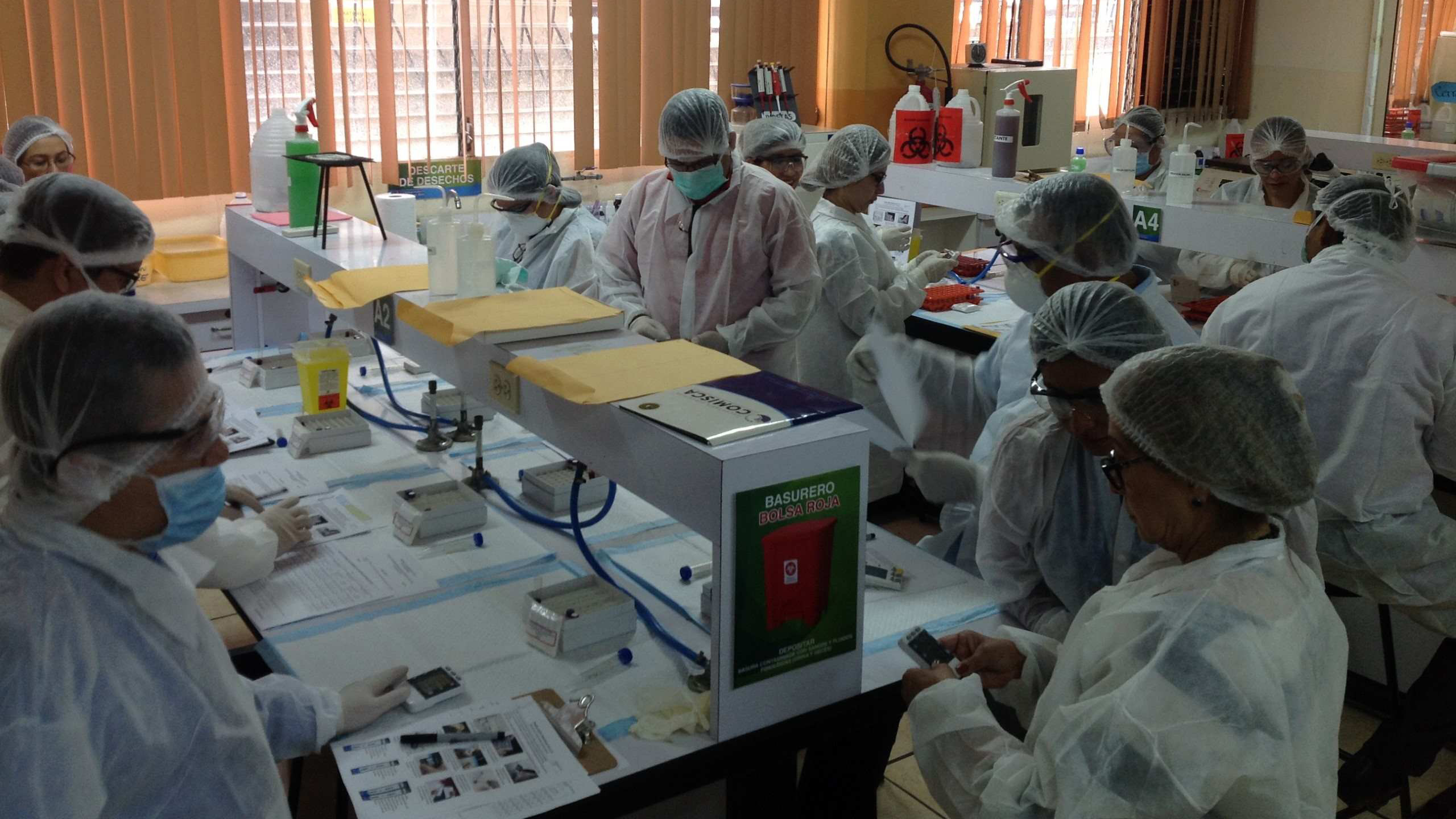
  2. Began collaboration with Chinese health experts to strengthen diagnosis, surveillance, and control of acute respiratory infections such as pneumonia. Activities have included hiring U.S. and Chinese staff, conducting joint project site visits, procuring modern laboratory equipment and supplies, providing hands-on training to Chinese scientists, and developing a protocol for detection, diagnosis and reporting of acute respiratory infections in project sites.
  3. Investigated mosquito-borne encephalitis in multiple Chinese provinces and evaluated the pathogens responsible, which led to the discovery of Tahyna virus, a new virus. Given the emergence of West Nile virus in the United States, early detection of new mosquito-borne pathogens is critical to safeguarding U.S. and global health.
  4. Conducted meetings with Chinese health officials to expand and strengthen tracking of salmonella, a foodborne pathogen that can cause diarrhea, fever, and even death, if not properly treated.
Partnerships like IEIP strengthen both American and Chinese health officials’ understanding of infectious disease prevention and control and will ultimately help experts prepare to respond to future disease outbreaks both in China and abroad.

For updates on the IEIP in China, please browse current and past newsletters.