Skip directly to search Skip directly to A to Z list Skip directly to site content Skip directly to page options
CDC Home

GDD BannerWorld Health Organization assembly meeting

In February 2003, the first cases of SARS (Severe Acute Respiratory Syndrome) were reported in Asia.  Within a few months, it had traversed the globe, spreading to more than two dozen countries on four continents killing 774 of the 8,098 people it infected.  Even though the SARS outbreak
was contained, it served as a grim reminder that in the modern world, a weakness in the surveillance system for infectious diseases in any one country – is a risk to all countries.

Current globalization trends and the resurgence of disease pandemics underscore the need for a coordinated and connected system to detect and respond to emerging, and
re-emerging, infectious diseases as close to the source as possible. Global disease detection supports the requirements of the newly revised International Health Regulations (IHR) 2005 by building local, regional, and global public health infrastructure in resource-constrained countries.

CDC’s Global Disease Detection Program (GDD)
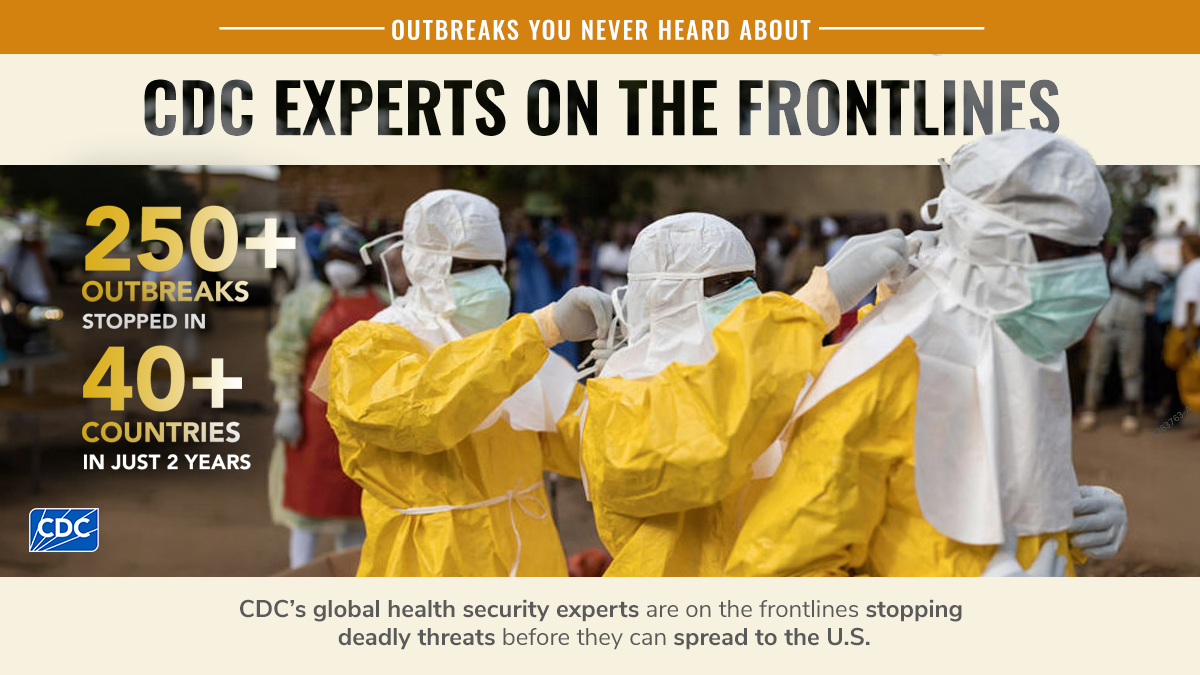
GDD is CDC’s principal and most visible program for developing and strengthening global capacity to rapidly detect, accurately identify, and promptly contain emerging infectious disease and bioterrorist threats that occur internationally. GDD protects the health of Americans and the global community from the spread of infectious disease threats by collaboratively building a global network of public health assets in support of the World Health Organization (WHO) and IHR.

GDD represents a major U.S. contribution to a global system of disease protection through:

A Clear Mandate: Based on experience with SARS, Congress provided CDC
with funding in 2004 to, “…mitigate the consequences of a catastrophic public health event, whether by an intentional act of terrorism, or the natural emergence of a deadly infectious virus…” Congress, 2004

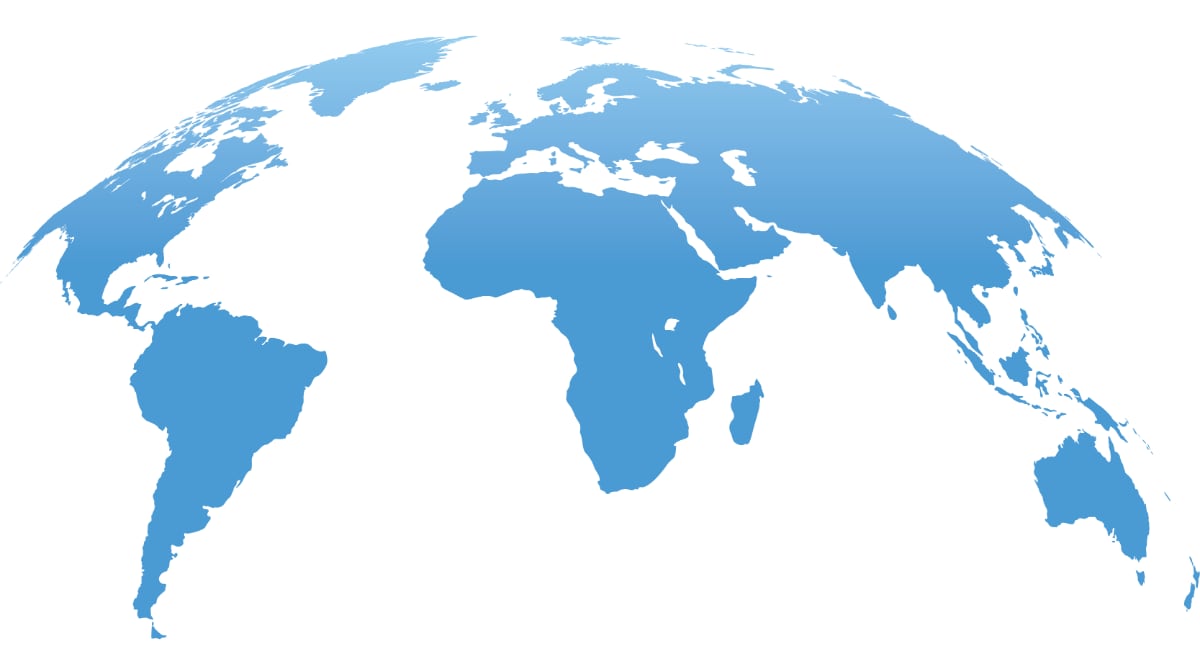
Global Coverage: A central focus of GDD is the establishment and expansion of GDD Regional Centers, particularly in resource-constrained locations. CDC operates GDD Centers in 1) Thailand, 2) Kenya, 3) Guatemala, 4) China, 5) Egypt, and 6) Kazakhstan. In Fiscal Year 2009, India was selected as the seventh country to host a GDD regional Center. Centers collectively build global economies of scale to combat today’s complex emerging infectious disease threats by leveraging and connecting assets.

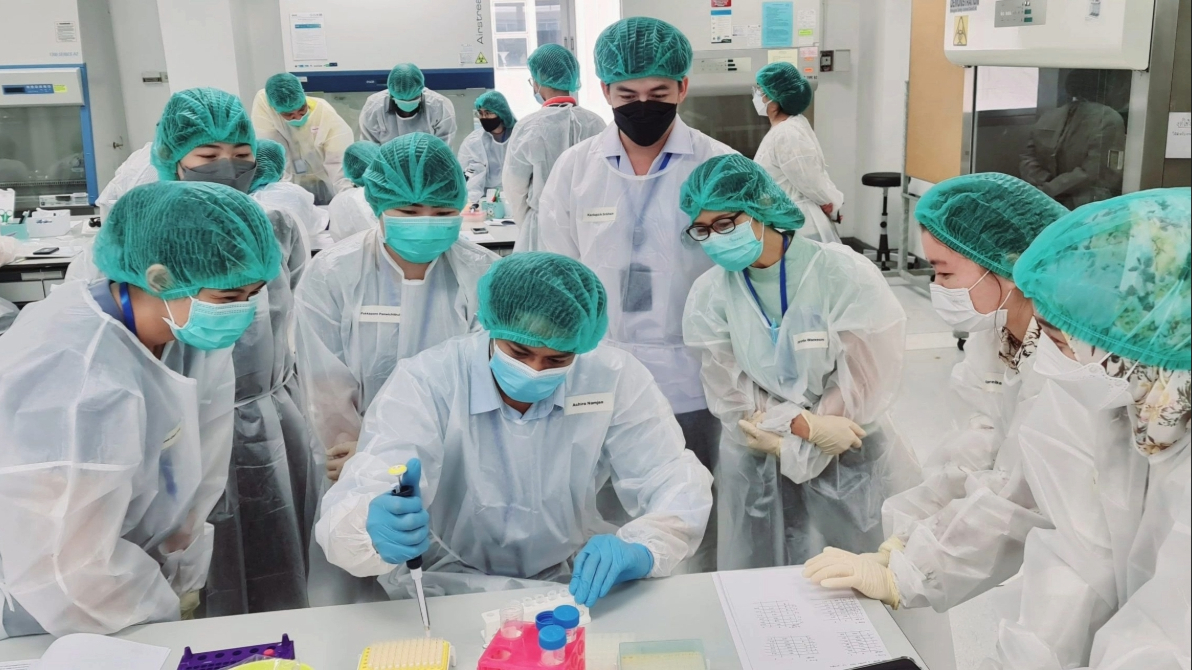
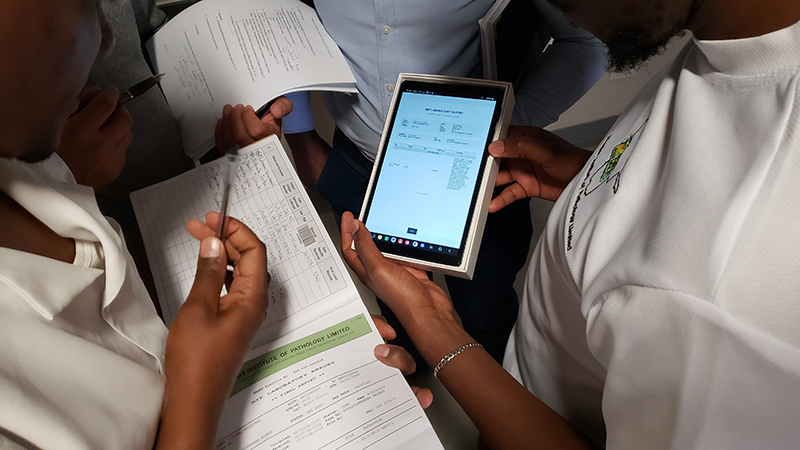
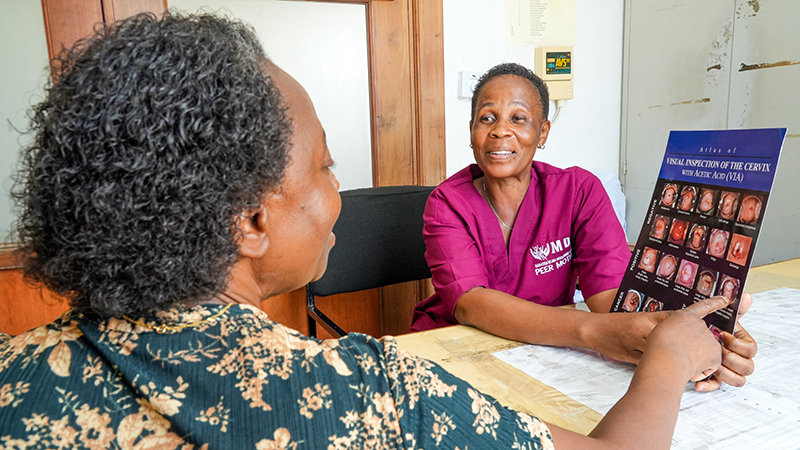
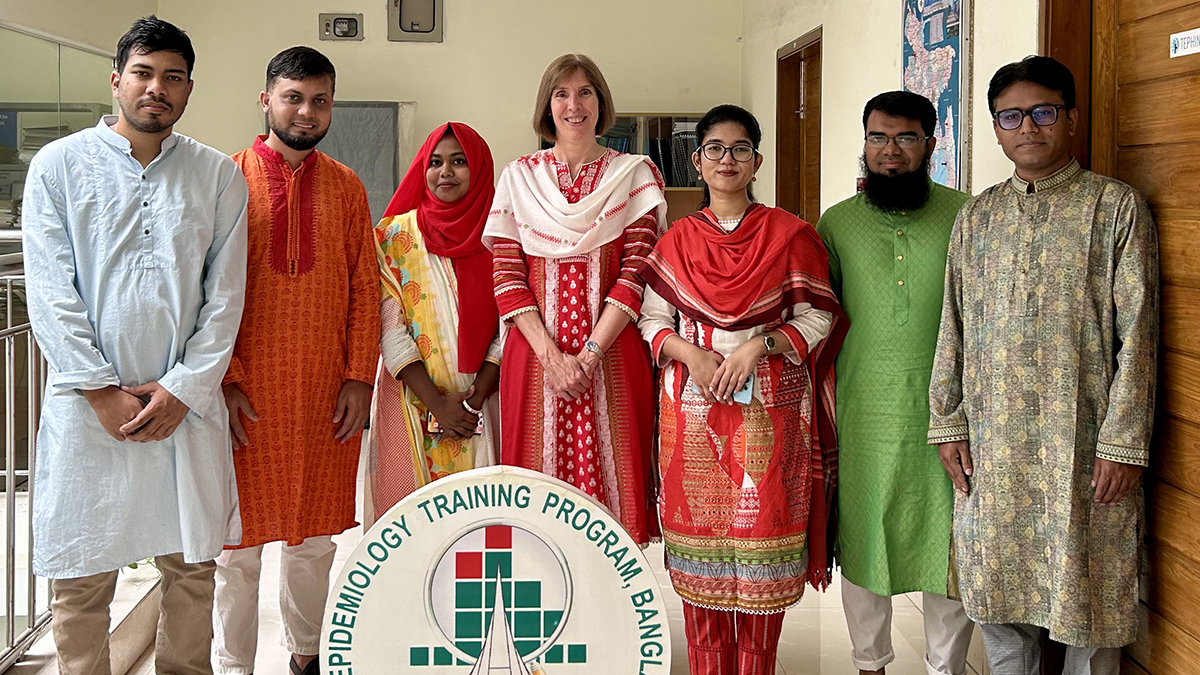
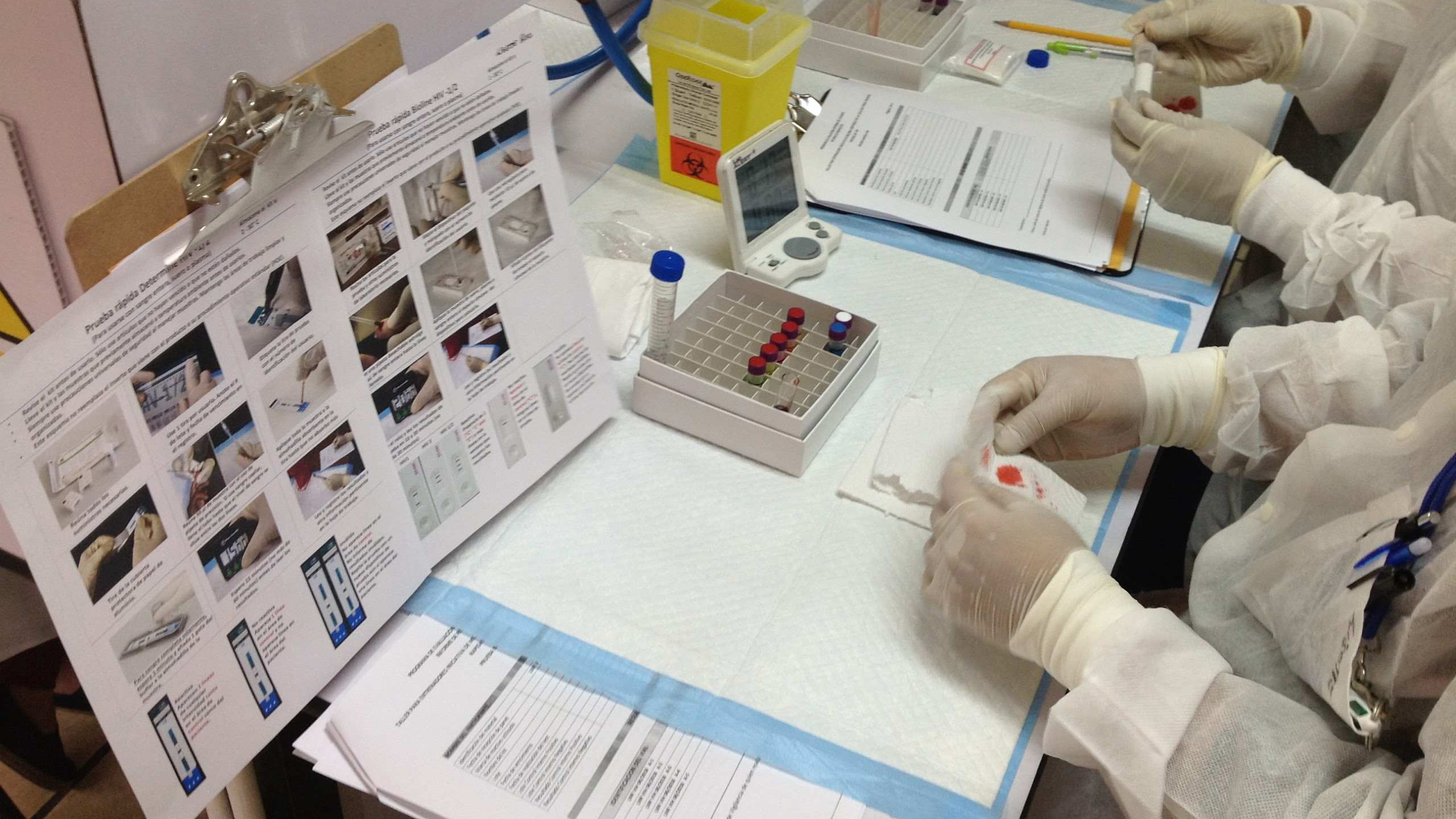
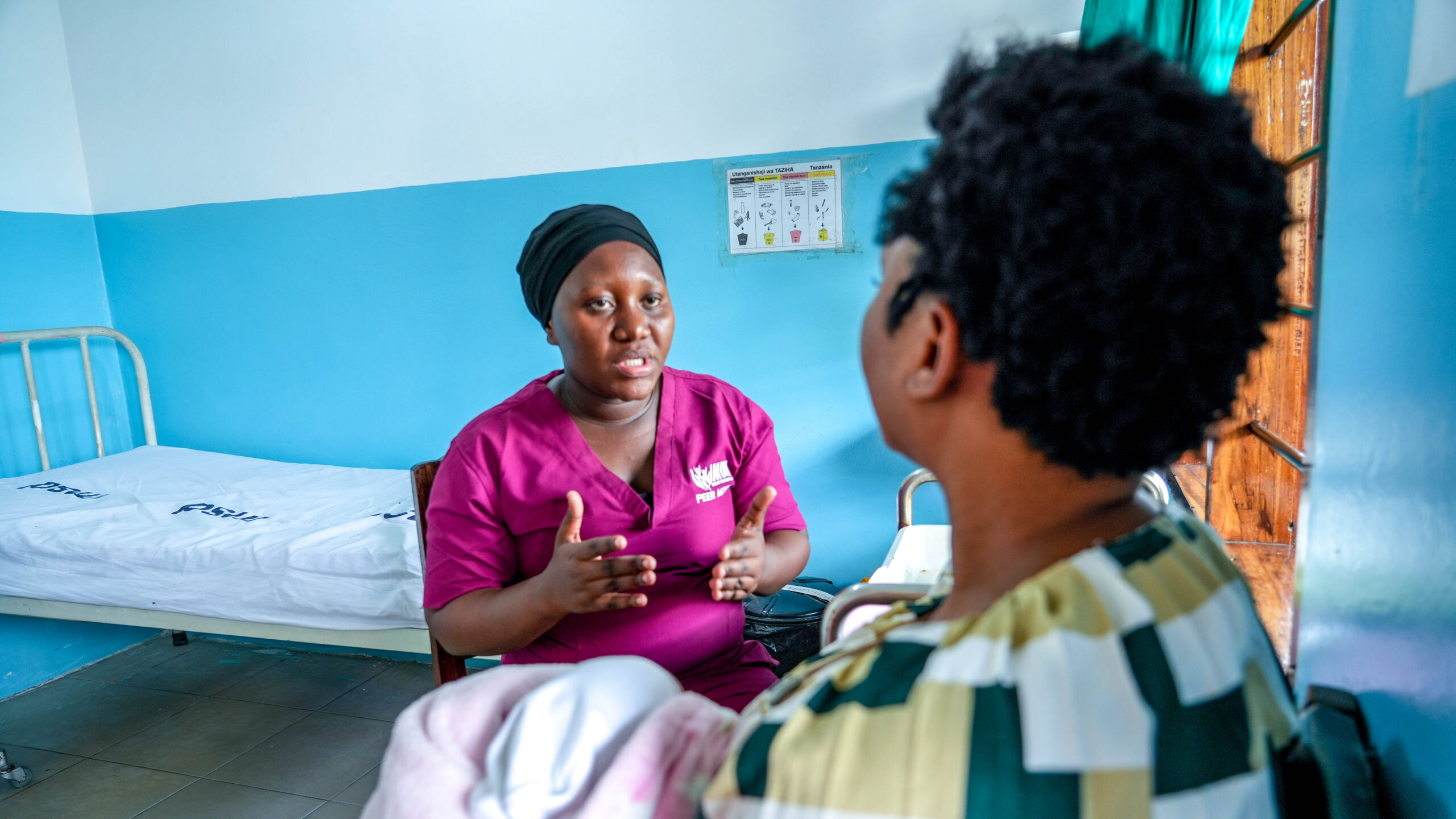
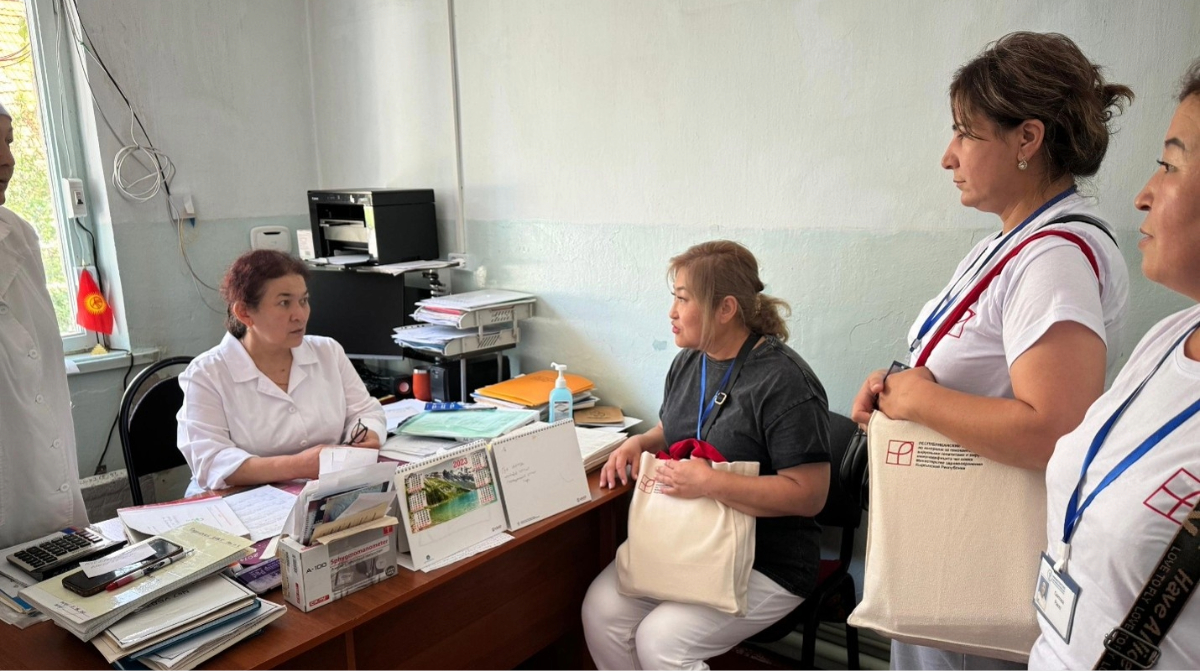
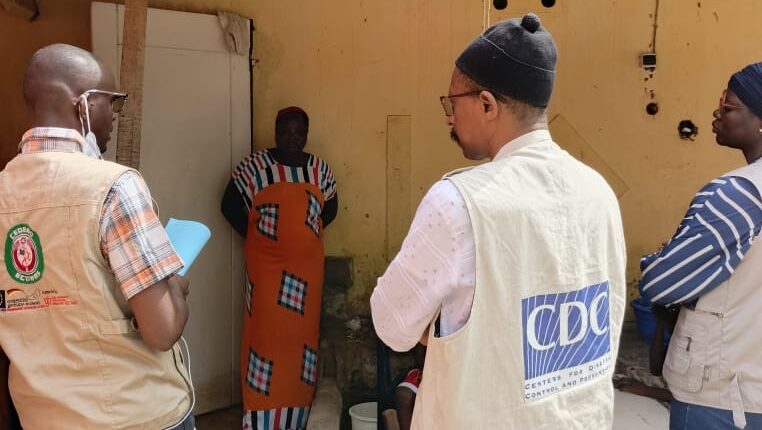
Capacity Building: GDD closes a critical gap between IHR expectations for member states and the ability of most member states to meet these expectations. The program invests in training host country nationals and building national laboratory capacity in coordination with ministries of health that are critical to reducing the timeline for identification and control of emerging infectious diseases. Centers serve as regional resources to assist the host country and neighboring countries detect and confirm pathogens closer to the source.

Expertise includes:
2008/2009 Fact Sheets


Return to the Top return to the top

Contact Us:
  • Centers for Disease Control and Prevention
    1600 Clifton Rd
    Atlanta, GA 30333
  • 800-CDC-INFO
    (800-232-4636)
    TTY: (888) 232-6348
    24 Hours/Every Day
  • cdcinfo@cdc.gov
  • Page last reviewed: September 30, 2009
  • Page last updated: September 30, 2009
  • Content source: Office of Enterprise Communication
  • Notice: Linking to a non-federal site does not constitute an endorsement by HHS, CDC or any of its employees of the sponsors or the information and products presented on the site.
USA.gov: The U.S. Government's Official Web PortalDepartment of Health and Human Services
Centers for Disease Control and Prevention   1600 Clifton Rd. Atlanta, GA 30333, USA
800-CDC-INFO (800-232-4636) TTY: (888) 232-6348, 24 Hours/Every Day - cdcinfo@cdc.gov

A-Z Index

  1. A
  2. B
  3. C
  4. D
  5. E
  6. F
  7. G
  8. H
  9. I
  10. J
  11. K
  12. L
  13. M
  14. N
  15. O
  16. P
  17. Q
  18. R
  19. S
  20. T
  21. U
  22. V
  23. W
  24. X
  25. Y
  26. Z
  27. #