



Salmonella and veiled chameleons
Urgent
All sick people in this outbreak were children two years old or younger. Veiled chameleons and other reptiles are not recommended for children younger than five as they are more likely to get a serious illness from germs that reptiles can carry.
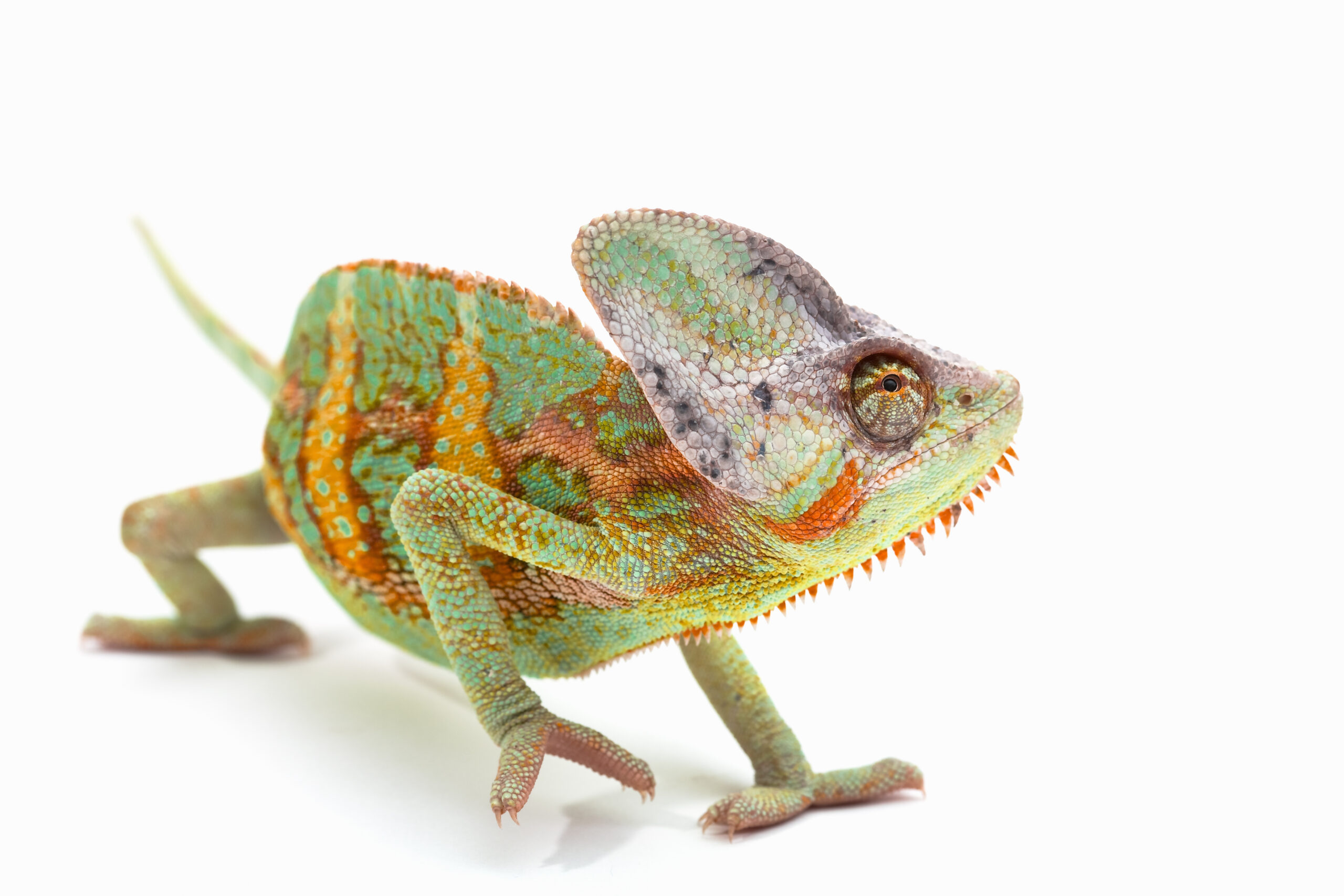
Veiled chameleons can carry Salmonella germs in their droppings even if they look healthy and clean. These germs can easily spread to their bodies and anything in the area where they live and roam.
You can get sick from touching a veiled chameleon or anything in its environment and then touching your mouth or food and swallowing Salmonella germs.
What you should do
Always take these steps to stay healthy around your pet chameleon:
Wash your hands
- Always wash hands thoroughly with soap and water right after
- Touching or feeding your chameleon
- Touching or cleaning the area where it lives and roams
- Always wash your hands before holding or feeding a child under 5.
- Children under 5 should not have contact with chameleons and older children should always wash their hands after touching or feeding a chameleon.
Play safely
- Don't eat or drink around your chameleon. This can spread Salmonella germs to your mouth and make you sick.
- Have a dedicated enclosure for your chameleon. Don't allow chameleons to roam in the same spaces where young children crawl and play.
- Keep your chameleon out of the kitchen and other areas where you eat, store, or prepare food.
- Parents and caregivers of young children should consider taking additional precautions, such as changing shirts between holding chameleons and holding infants.
Keep things clean
- Clean your chameleon supplies outside the house, if possible. These supplies may include its food and water containers, and habitat enrichment items such as climbing branches or vines. Also, clean and disinfect the containers temporarily holding your chameleon after returning the chameleon to their main habitat.
- If you must clean the supplies indoors, don't clean them in the kitchen or other areas where you eat or prepare food. Use a laundry sink or bathtub, and thoroughly clean and disinfect the area right after.
If you're thinking of getting a pet chameleon:
- Pick the right pet for your family
- Chameleons and other reptiles are not recommended for children under 5, adults 65 and older, and people with weakened immune systems. These people are more likely to get a serious illness from germs that reptiles can carry.
- Consider talking to a veterinarian before getting a chameleon.
What businesses should do
- Educate customers about how to stay healthy around chameleons.
- Consider giving a pet safety handout to customers who are buying a chameleon.
- This graphic can be used as a social media post or a sticker and illustrates handwashing when handling pet reptiles, including chameleons.
- Learn more about how to protect your customers and employees from Salmonella infection and other diseases shared between animals and humans.
Salmonella symptoms
- Most people infected with Salmonella experience diarrhea, fever, and stomach cramps.
- Symptoms usually start 6 hours to 6 days after swallowing the bacteria.
- Most people recover without treatment after 4 to 7 days.
- Some people—especially children younger than 5 years, adults 65 years and older, and people with weakened immune systems—may experience more severe illnesses that require medical treatment or hospitalization.
Keep Reading
About Salmonella Infection
Content Source
National Center for Emerging and Zoonotic Infectious Diseases (NCEZID)
About This Page
Published: May 7, 2026
Updated: June 9, 2026
This page was last updated on this date. Updates may include minor edits, image changes, or other modifications to page content.
Reviewed: June 9, 2026
The information on this page was last reviewed by subject matter experts to ensure accuracy.