



Key points
- Chlamydia psittaci, which commonly infect birds, causes psittacosis in people.
- Psittacosis most often presents as an upper respiratory tract infection.
- Diagnosis of psittacosis can be difficult.
- Ensure prompt antibiotic treatment to increase the chances of a quick recovery.

Cause
C. psittaci are intracellular gram-negative bacteria that commonly infect birds. These bacteria were previously called Chlamydophila psittaci.
Unique developmental cycle affects culture methods
C. psittaci have a unique developmental cycle with growth taking place within host cells. Laboratorian scientists can't grow the organism using typical bacterial culture methods.
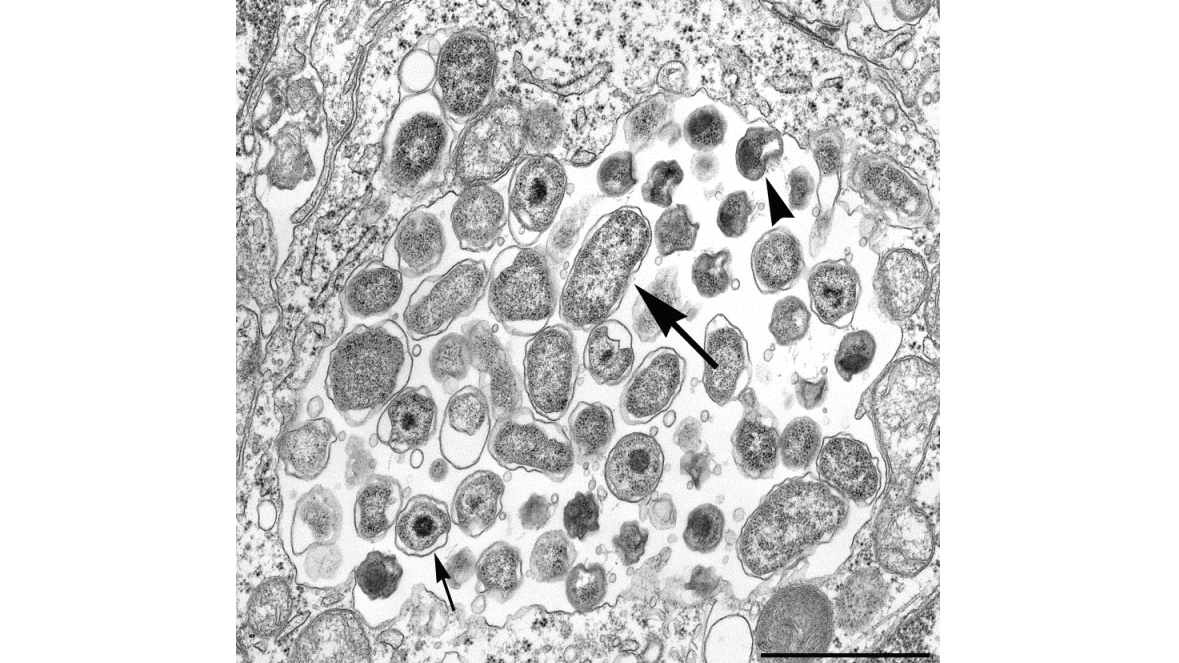
Wolff BJ. Whole genome sequences of Chlamydophila psittaci genotypes. UGA, 2012.
Risk factors
Exposure to birds or poultry
People can get infected from transient exposure to infected birds or their droppings. However, many people with psittacosis have exposure through their hobbies, pets, or occupation.
This can include workers at:
- Avian quarantine stations
- Farms
- Laboratories
- Pet shops
- Poultry processing plants
- Veterinarian offices
- Zoos
Incubation period
The incubation period is typically 5 to 14 days. Less commonly, symptoms may begin later.
How it spreads
Most common: People inhale dust that contains dried droppings or respiratory secretions from infected birds.
Less commonly: Birds infect people through bites and beak-to-mouth contact.
How the bacteria don't spread
There's no evidence that the bacteria spread by handling or eating poultry products.
There are very few documented cases involving human-to-human transmission.
Clinical features
Clinical presentations can vary widely. The predominant presentation is upper respiratory tract infection with constitutional symptoms.
Typically, symptomatic infections present as:
- Abrupt onset of fever and chills
- Headache
- Myalgia
- Nonproductive cough
Less frequently, patients may present with:
- Gastrointestinal symptoms
- Pulse-temperature dissociation (fever without increased pulse rate)
- Rash
- Splenomegaly
For patients with pneumonia, it's often evident on chest x-ray. Radiographic findings may include lobar or interstitial infiltrates.
Prevention

Recommended
Educate patients about the importance of handling birds and cleaning bird cages safely.
Refer birds suspected as the source of human infection to veterinarians for evaluation and treatment.
Not recommended
Patient isolation and prophylaxis of contacts aren't recommended.
Testing and diagnosis
Generally, laboratories use several methods to detect C. psittaci infection:
- Culture
- Nucleic acid amplification techniques
- Serology
Treatment and recovery
Use doxycycline, unless contraindicated, due to reported macrolide failures.
Take into account potential adverse effects in children and pregnant women when using some tetracyclines. In those cases, macrolide antibiotics are the recommended treatment.
Promote the judicious use of antibiotics and minimize the risk of antibiotic resistance by not prescribing antibiotics unless indicated by clinical or laboratory evidence.
Complications
Severe complications can result in hospitalization. Reported complications include:
- Arthritis
- Encephalitis
- Endocarditis or myocarditis
- Hepatitis
- Respiratory failure
- Sepsis
- Severe pneumonia requiring intensive-care support
Death occurs in less than 1% of properly treated patients.
Severe clinical outcomes have been reported in people who become infected with C. psittaci during pregnancy.
Surveillance and trends
Psittacosis is an uncommon but reportable condition in most states.
Resources
Chlamydophila psittaci: Pathogen safety data sheet — infectious substances — Public Health Agency of Canada, April 2013
This page was last updated on this date. Updates may include minor edits, image changes, or other modifications to page content.
The information on this page was last reviewed by subject matter experts to ensure accuracy.