



Key points
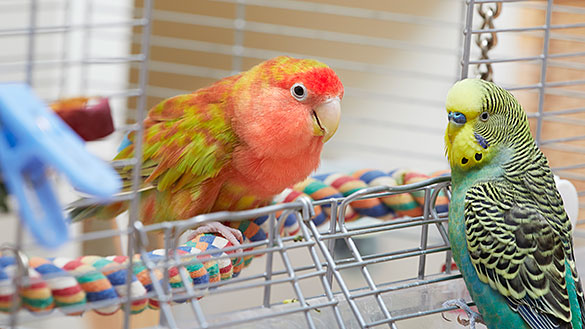
- Psittacosis is a disease caused by bacteria that often infect birds.
- People who have contact with pet birds and live poultry are at increased risk.
- Psittacosis is usually a mild illness, though it can cause pneumonia.
- Be safe when handling and cleaning birds and cages to help prevent this disease.
What it is
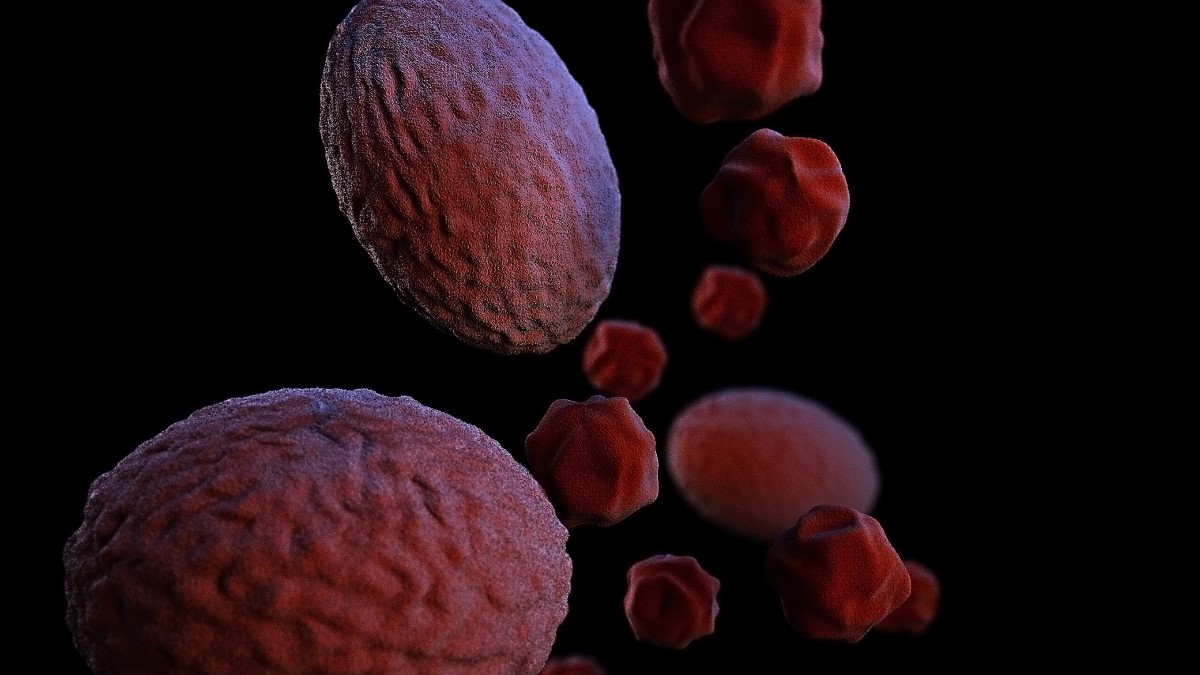
Psittacosis is a disease caused by bacteria called Chlamydia psittaci. These bacteria infect birds more often than people.
Up until recently, some scientists called the bacteria Chlamydophila psittaci.
Symptoms
Most people begin developing signs and symptoms within 5 to 14 days after exposure to the bacteria. Less commonly, people report symptoms starting after 14 days.
In general, psittacosis is a mild respiratory illness. Symptoms of psittacosis are similar to the symptoms of other respiratory illnesses.
The most common symptoms include:
- Dry cough
- Fever and chills
- Headache
- Muscle aches
When to contact a healthcare provider
Complications
Most people treated properly for psittacosis make a full recovery. However, some people have serious complications and need care in a hospital.
Complications include:
- Severe pneumonia (lung infection)
- Endocarditis (inflammation of the heart valves)
- Hepatitis (inflammation of the liver)
- Inflammation of the nerves or brain, leading to neurologic problems
With appropriate antibiotic treatment, psittacosis rarely (less than 1 in 100 cases) results in death.
Risk factors
Some people are more likely to get infected with C. psittaci than others.
Age
People of all ages can get psittacosis, but it is more commonly reported among adults.
Bird exposure
People who have contact with pet birds and poultry, including those who work in bird-related occupations, are at increased risk:
- Aviary and pet shop employees
- Bird owners
- Poultry farmers and processing plant workers
- Veterinarians
How it spreads
The most common way someone gets infected is by breathing in dust containing dried bird secretions or droppings.
Both sick birds and infected birds without signs of illness shed the bacteria in their droppings and respiratory secretions. When the droppings and secretions dry, small dust particles that include the bacteria can get into the air.
Less commonly, birds infect people through bites and beak-to-mouth contact.
In general, people don't spread the bacteria that cause psittacosis to other people. However, this may be possible in rare cases.
Prevention
There are things people can do to protect themselves and others from psittacosis.
Testing and diagnosis
Psittacosis is difficult to diagnose. Healthcare providers may not suspect psittacosis because its symptoms are like the symptoms for many other respiratory diseases.
If a healthcare provider suspects psittacosis, they may collect one of the following samples to send for testing:
- Blood
- Sputum (phlegm or spit)
- Swab from the nose or throat
However, tests to see if someone has psittacosis aren't always easily available.