



At a glance
- Children and adolescents should have 60 minutes or more of physical activity each day.
- Schools are in a unique position to promote physical education and healthy behaviors like physical activity.
- Learn how to encourage school staff and students to be physically active.
Why it's important
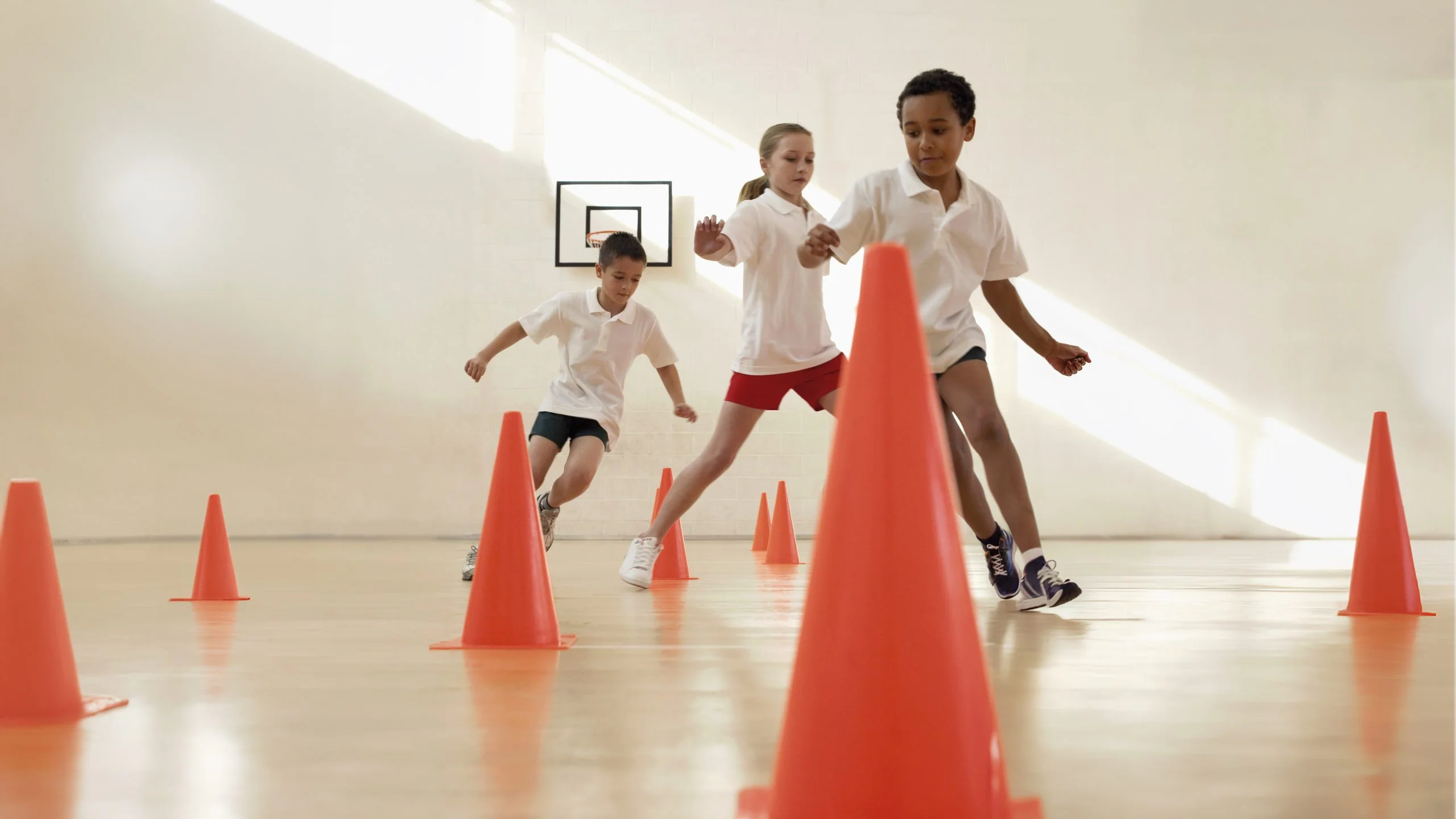
Active students are better learners. Schools can help students move more by offering high-quality physical education and incorporating opportunities for physical activity before, during, and after the school day.
Benefits of physical activity for students
- Improves their grades and test scores.
- Helps them focus while in class.
Developing healthy habits
Schools are in a unique position to help students get the daily recommended 60 minutes or more of moderate-to-vigorous physical activity. Regular physical activity in childhood and adolescence is important for:
- Promoting lifelong health and well-being.
- Preventing various chronic health conditions, such as diabetes and heart disease.
For more information on the Physical Activity Guidelines, 2nd edition, visit Physical Activity Guidelines for School-Aged Children and Adolescents.
What CDC is doing
Find out what CDC is doing nationwide to help more adults, children, and adolescents become physically active.
Resources for schools
- The Comprehensive School Physical Activity Program (CSPAP) Physical Education and Physical Activity Framework - Outlines professional development opportunities and resources to help schools implement the framework. The framework is helpful for school health professionals, school administrators, physical education teachers, other school staff, and parents.
- The Comprehensive School Physical Activity Program Guide - A program guide for creating, evaluating, and improving existing physical activity programs. The guide can be helpful for school health councils or wellness committees.
- Comprehensive School Physical Activity Program (CSPAP) e-learning module - A module designed to help educators understand the process for developing, implementing, and evaluating CSPAP while also highlighting the benefits of youth physical activity.
Resources
- CDC Ideas for Parents: Physical Activity Before and After School
- Alliance for a Healthier Generation | Healthy Out-of-School Time Assessment
- Data Brief: Provide Physical Activity Before and After School
- Healthy Eating, Physical Activity, and Health Equity in Out-of-School Time
- Strategies for Physical Activity Through Community Design
This page was last updated on this date. Updates may include minor edits, image changes, or other modifications to page content.
The information on this page was last reviewed by subject matter experts to ensure accuracy.
- U.S. Department of Health and Human Services. Physical Activity Guidelines for Americans. 2nd ed. 2018. Accessed September 24, 2024. https://odphp.health.gov/sites/default/files/2019-09/Physical_Activity_Guidelines_2nd_edition.pdf
- Association for Supervision and Curriculum Development (ASCD), Centers for Disease Control and Prevention. Whole School, Whole Community, Whole Child: A Collaborative Approach to Learning and Health. 2014. Accessed September 24, 2024. http://www.ascd.org/ASCD/pdf/siteASCD/publications/wholechild/wscc-a-collaborative-approach.pdf
- Cornett K, Murfay K, Fulton J. Physical activity interventions during the school day: reviewing policies, practices, and benefits. J Sch Health. 2023;93(9):778-787. https://doi.org/10.1111/josh.13371
- Michael SL, Merlo CL, Basch CE, Wentzel KR, Wechsler H. Critical connections: health and academics. J Sch Health. 2015;85(11):740-758.