



At a glance
About 3 in 5 children up to age 5 are in a nonparental childcare arrangement at least one time a week. Early care and education (ECE) facilities are ideal places to encourage healthy eating and physical activity. These practices help build a foundation of healthy habits and can help prevent obesity. CDC is working with states and communities to strengthen their ECE standards and help ECE providers meet those standards.

Why it matters
If current trends continue, more than half of today’s children and adolescents will have obesity by age 35. Obesity during childhood can put children at risk for physical conditions such as type 2 diabetes, high blood pressure, and liver disease. Obesity can also lead to issues such as being bullied and having low self-esteem and anxiety.
One in 8 U.S. children aged 2 to 5 (nearly 13%) have obesity. Young children who are overweight in kindergarten are four times more likely to have obesity by 8th grade than those who are not overweight in kindergarten.
Starting healthy routines for good nutrition and physical activity in early childhood influences children's growth. Early feeding practices are important for the healthy growth of infants and toddlers. Both a healthy diet and physical activity are linked to better brain development.
Millions of children potentially reached
Of children up to age 5 who are not yet in kindergarten, about 3 in 5 are in a nonparental childcare arrangement at least one time a week. This represents 12.5 million children.
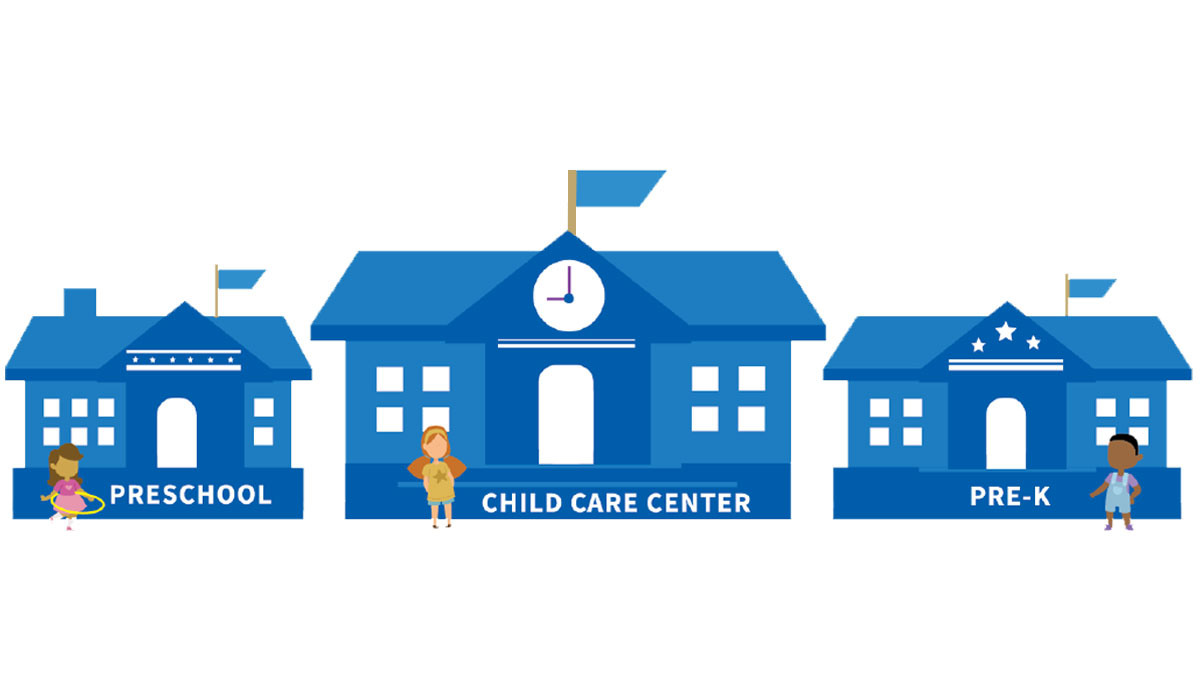
Parents looking for the right ECE program
If you are trying to find the right ECE program for your child, the High-Impact Obesity Prevention Standards (HIOPS) can help you know what to look for. ECE programs meeting HIOPS commit to, for example:
- Serving a variety of fruits and/or vegetables each day.
- Providing physical activity for 60-90 minutes for toddlers and 90-120 minutes for preschoolers per 8-hour day.
- Providing all children two to three opportunities to play outside each day, weather permitting.
- Not serving sugary drinks.
- Not having screen time for children under 2 years old.
ECE programs across the country are improving at meeting these standards. Since 2014, 47 states have increased the number of HIOPS in their ECE licensing regulations. HIOPS cover four key domains:
The average number of obesity prevention standards fully met in state licensing regulations for ECE centers increased from 6 in 2014 to 15 in 2022.
In addition, if an ECE program participates in or follows the United States Department of Agriculture's Child and Adult Care Food Program (CACFP), it is an indication for parents that the ECE program is committed to serving nutritious meals and snacks.
Another indicator of high quality aimed at helping parents is the state Quality Rating and Improvement Systems (QRIS). QRIS was designed to help parents compare different programs by using the same set of standards. This can help parents understand the level of quality in various ECE programs.
What CDC is doing
To improve nutrition and increase physical activity in ECE settings, CDC's Division of Nutrition, Physical Activity, and Obesity:
- Tracks state progress to help partners and practitioners improve children's nutrition and physical activity.
- Funds programs to help childcare providers adopt obesity prevention best practices and encourage family involvement.
- Develops tools and resources to guide national, state, and local partners.
- Partners with national organizations, states, communities, and other key partners.
CDC works in partnership with Nemours Children's Health to improve and expand nutrition and physical activity in ECE using CDC's Spectrum of Opportunities Framework.
CDC also partners with the Association of State Public Health Nutritionists to provide technical assistance to states and communities. This work is focused on developing sustainable and comprehensive Farm to ECE initiatives.