


Key points
- Behavior therapy is an effective treatment for attention-deficit/hyperactivity disorder (ADHD) that can improve a child’s behavior, self-control, and self-esteem.
- Behavior therapy is most effective in young children when it is delivered by parents.
- When parents become trained in behavior therapy, they learn skills and strategies to help their child with ADHD succeed at school, at home, and in relationships.
- Talk to your child's doctor about behavior management therapy.
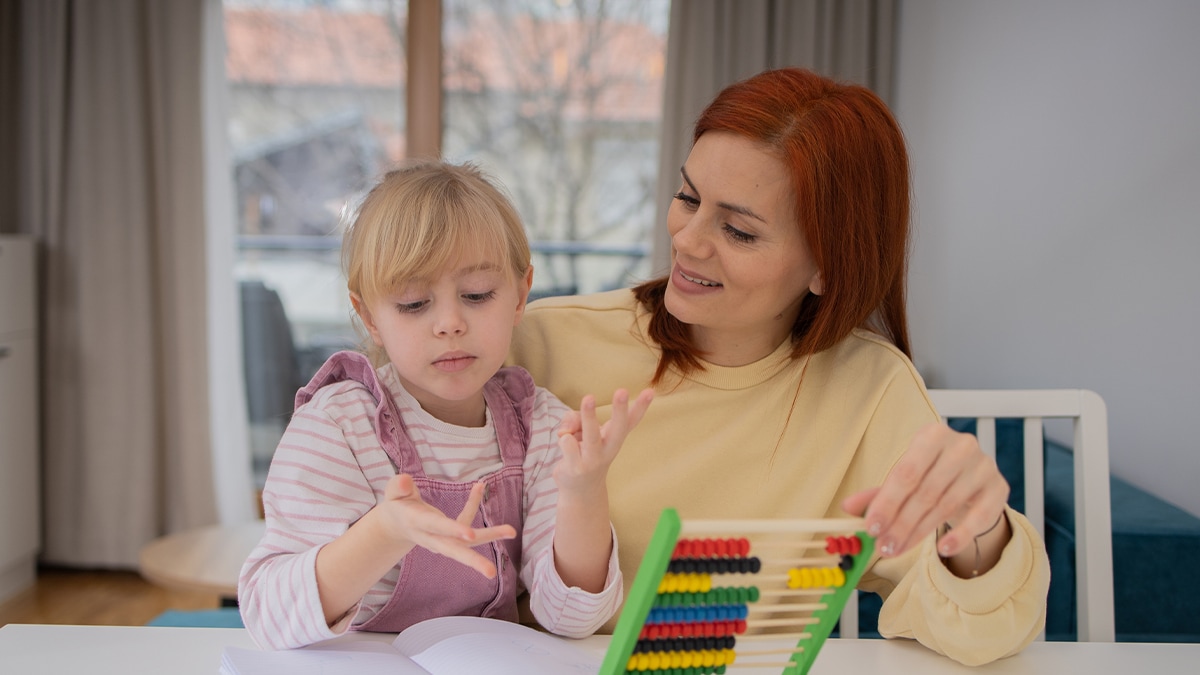
Types of therapy
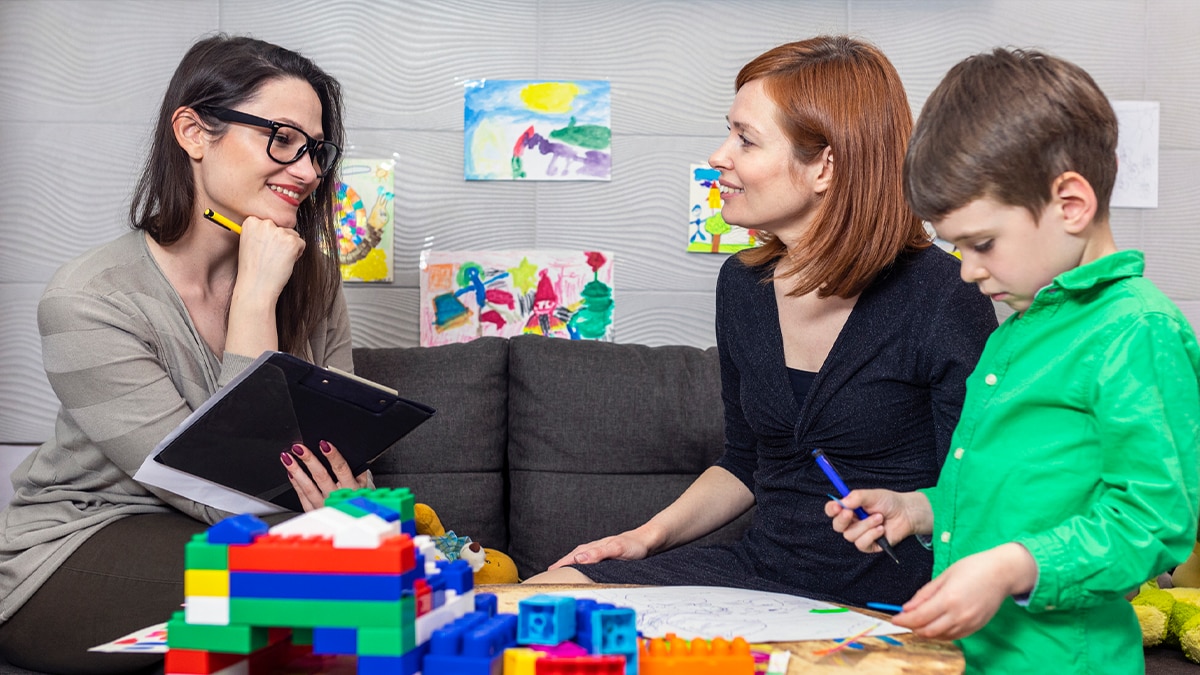
What type of therapy is recommended?
Only therapy that focuses on training parents is recommended for young children with ADHD because young children are not mature enough to change their own behavior without their parents' help.
Some therapists may use play therapy or talk therapy to treat young children with ADHD. Play therapy provides a way for children to communicate their experiences and feelings through play. Talk therapy uses verbal communication between the child and a therapist to treat mental and emotional disorders. However, neither of these has been proven to improve symptoms in young children with ADHD.
Behavior therapy
The goals of behavior therapy are to learn or strengthen positive behaviors and limit unwanted or problem behaviors. Behavior therapy for ADHD can include:
- Behavior therapy with children, including training for parents
- Behavioral interventions in the classroom
These approaches can also be used together.
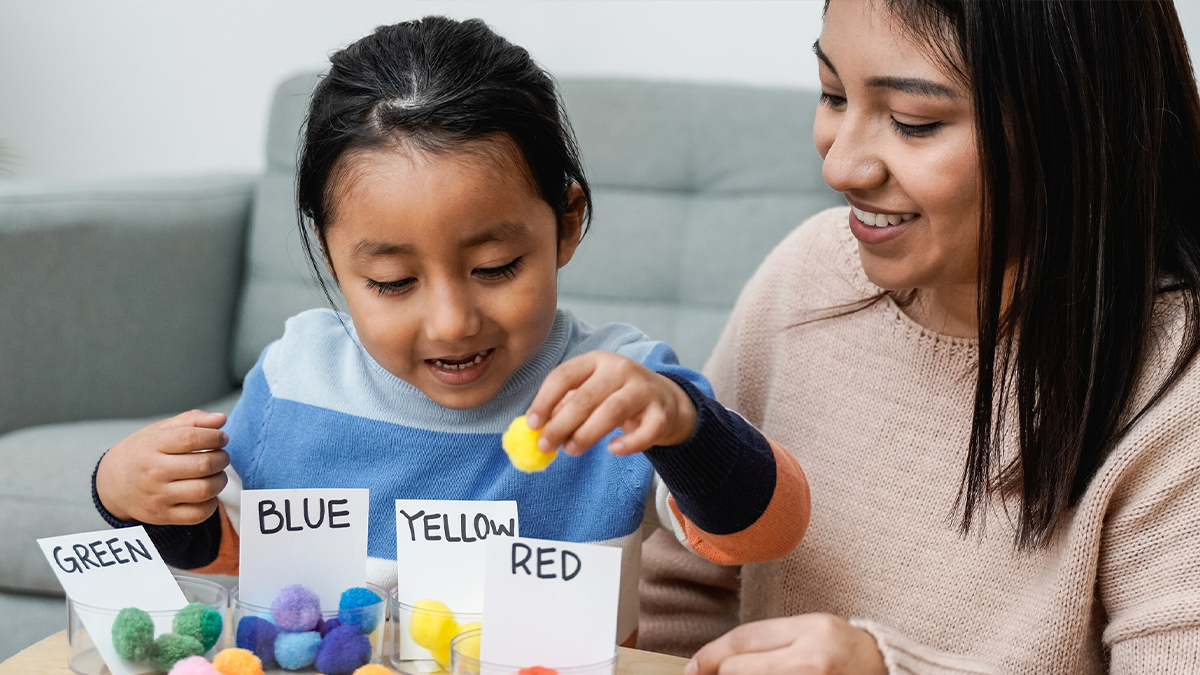

Parent training in behavior management
Parent training in behavior management has been shown to be an effective treatment for children with ADHD and is the recommended first choice in ADHD treatment for children under 6 years of age. Parent training in behavior management is also sometimes called "parent behavior therapy,""behavioral parent training," or simply, "parent training."
Parent training in behavioral management is used to help change problem behaviors by building parenting skills, improving the relationship between parents and their child with ADHD, and helping children manage their own behaviors. A therapist skilled in behavior management can help parents understand how ADHD affects their child.
Others (including childcare providers, preschool teachers, and other caregivers) can also help to manage the behavior of preschoolers who have ADHD by becoming educated about the disorder and by being trained in behavioral techniques.
What can parents expect in behavior therapy training?


Behavior management tips for parents
CDC partners with the National Resource Center on ADHD (NRC), a program of CHADD–Children and Adults with ADHD, to support the development of evidence-based resources for everyone, including parents and caregivers.

Example behavior management tips
CHADD provides information for parents and caregivers of children with ADHD. Here are some examples of behavior management tips to support a child with ADHD at home and in school:1234567
Executive function
(Such as planning, focusing, and managing tasks)
For tasks that happen every day, try to follow the same schedule every day, from wake-up time to bedtime.
Encourage your child to put schoolbags, clothing, and toys in the same place every day so that they will be less likely to lose them.
Turn off the TV and social media, limit noise, and provide a clean workspace when your child is doing homework. Some children with ADHD learn well if they are moving or listening to background music. Watch your child and see what works.
Communication
To help your child not feel overwhelmed or overstimulated, offer choices with only a few options. For example, have them choose between this outfit or that one, this meal or that one, or this toy or that one.
Be clear and specific when you talk with your child.
Let your child know you are listening by describing what you heard them say. Use clear, brief directions when they need to do something.
Help your child plan.
Break down complicated tasks into simpler, shorter steps. For long tasks, starting early and taking breaks may help limit stress.
Positive discipline
Use goals and praise or other rewards.
Use a chart to list goals and track positive behaviors, then let your child know they have done well by telling them or by rewarding their efforts in other ways. Be sure the goals are realistic—small steps are important.
Discipline effectively.
Instead of scolding, yelling, or spanking, use effective directions, time-outs, or removal of privileges as consequences for inappropriate behavior.
Create positive opportunities.
Children with ADHD may find certain situations stressful. Finding out and encouraging what your child does well—whether it's school, sports, art, music, or play—can help create positive experiences.
Healthy choices
Tip
Suggestion (example)
Provide a healthy lifestyle.
Nutritious food, lots of physical activity, and sufficient sleep are important; they can help keep ADHD symptoms from getting worse.
Finding a therapist
If possible, families should look for a therapist who focuses on training parents. Some therapists will have training or certification in a parent training program that has been proven to work in young children with ADHD. Therapists may also use strategies like those in proven programs.
What to look for in a therapist

Questions to consider when looking for a therapist:
Does the therapist...
- Teach parents skills and strategies that use positive reinforcement, structure, and consistent discipline to manage their child's behavior?
- Teach parents positive ways to interact and communicate with their child?
- Assign activities for parents to practice with their child?
- Meet regularly with the family to monitor progress and provide coaching and support?
- Re-evaluate treatment plans and remain flexible enough to adjust strategies as needed?
Supporting emotional wellbeing in children



This page was last updated on this date. Updates may include minor edits, image changes, or other modifications to page content.
The information on this page was last reviewed by subject matter experts to ensure accuracy.
- CHADD. CHADD's Parent & Family Education. Available at: https://chadd.org/education/parents/. Accessed on December 16, 2025.
- National Institute of Mental Health. Attention-Deficit/Hyperactivity Disorder: What You Need to Know. Available at: https://www.nimh.nih.gov/health/publications/attention-deficit-hyperactivity-disorder-what-you-need-to-know. Accessed on December 16, 2025.
- Nemours® KidsHealth®. Help Your Child Get Organized. Available at: https://kidshealth.org/en/parents/child-organized.html. Accessed on July 11, 2025.
- Psyllou C, Luman M, van den Hoofdakker BJ, et al. Research Review: Mechanisms of change and between-family differences in parenting interventions for children with ADHD - an individual participant data meta-analysis. J Child Psychol Psychiatry. 2025;66(9):1304-1319.
- Hornstra R, Groenman AP, van der Oord S, et al. Review: Which components of behavioral parent and teacher training work for children with ADHD? - a metaregression analysis on child behavioral outcomes. Child Adolesc Ment Health. 2023;28(2):258-268.
- Dekkers TJ, Groenman AP, Wessels L, Kovshoff H, Hoekstra PJ, van den Hoofdakker BJ. Which factors determine clinicians' policy and attitudes towards medication and parent training for children with Attention-Deficit/Hyperactivity Disorder?. Eur Child Adolesc Psychiatry. 2022;31(3):483-493.
- van der Oord S, Tripp G. How to Improve Behavioral Parent and Teacher Training for Children with ADHD: Integrating Empirical Research on Learning and Motivation into Treatment. Clin Child Fam Psychol Rev. 2020;23(4):577-604.
- Wolraich ML, Hagan JF Jr, Allan C, et al. Clinical Practice Guideline for the Diagnosis, Evaluation, and Treatment of Attention-Deficit/Hyperactivity Disorder in Children and Adolescents. Pediatrics. 2019;144(4):e20192528.
- The National Academies of Sciences, Engineering, and Medicine (NASEM). Tools for supporting emotional wellbeing in children and youth. Available at: https://nap.nationalacademies.org/resource/other/dbasse/wellbeing-tools/interactive/. Accessed on December 2, 2025.
- Children and Adults with ADHD (CHADD). Parenting a Child with ADHD. Available at: https://chadd.org/for-parents/overview/. Accessed on December 11, 2025.
- American Academy of Pediatrics (AAP). Patient Care: ADHD. Available at: https://www.aap.org/en/patient-care/attention-deficit-hyperactivity-disorder-adhd/. Accessed on December 11, 2025.
- CHADD. School interventions. Available at: https://chadd.org/for-parents/school-interventions/. Accessed on November 20, 2025.
- Society of Clinical Child & Adolescent Psychology. Inattention & Hyperactivity (ADHD). Available at: https://effectivechildtherapy.org/concerns-symptoms-disorders/disorders/inattention-and-hyperactivity-adhd/. Accessed on September 16, 2025.