



At a glance
Learn more about monkeypox cases and outbreaks that occurred in the United States prior to the ongoing global clade II monkeypox outbreak that began in 2022.
Previous cases and outbreaks in the United States
November 2021 travel-associated case
CDC and the Maryland Department of Health confirmed on November 16, 2021, a case of monkeypox in a U.S. resident who recently returned from travel to Nigeria, where monkeypox is endemic. CDC supported state and local health officials, airline and travel industry partners, and other key groups to identify people who had possible contact with the patient. No further spread resulted from this isolated case.
July 2021 travel-associated case
CDC and the Texas Department of State Health Services confirmed on July 15, 2021, a case of monkeypox in a U.S. resident who traveled from Nigeria to the United States. CDC supported state and local health officials to identify more than 200 people who had possible contact with the patient. Strong collaboration between CDC, state and local health departments, airline and airport partners, and other key groups involved in this investigation helped to prevent the disease from spreading.
2003 outbreak from imported mammals
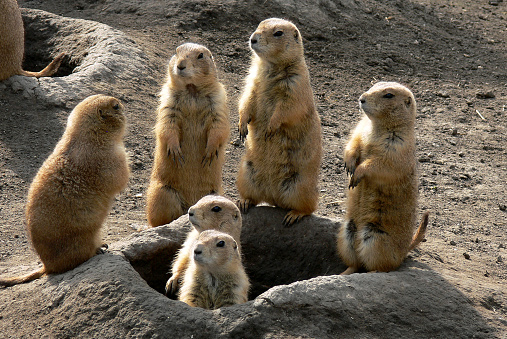
In 2003, 47 confirmed and probable cases of monkeypox were reported from Illinois, Indiana, Kansas, Missouri, Ohio, and Wisconsin. Investigators determined that the cause of this outbreak was a shipment from Ghana to Texas of approximately 800 small mammals representing 9 different species, including six types of rodents. After importation into the United States, some of the infected animals were housed near prairie dogs at the facilities of an Illinois animal vendor. These prairie dogs were sold as pets before they developed signs of infection. No instances of monkeypox infection were attributed exclusively to person-to-person contact.
CDC and the public health departments in affected states, together with the U.S. Department of Agriculture, the Food and Drug Administration, and other agencies coordinated to prevent further monkeypox spread. This included laboratory testing; smallpox vaccine and treatments; developing guidance for patients, healthcare providers, veterinarians, and other animal handlers; tracking potentially infected animals; and contact tracing. The United States issued an immediate embargo and prohibition on the importation, interstate transportation, sale, and release into the environment of certain species of rodents including prairie dogs. FDA later rescinded the part of the order that restricted the capture, sale, and interstate movement of prairie dogs or domestically bred African rodents, but CDC's restriction on the importation of African rodents remains in place.