 An official website of the United States government




Newsletter
March 2025
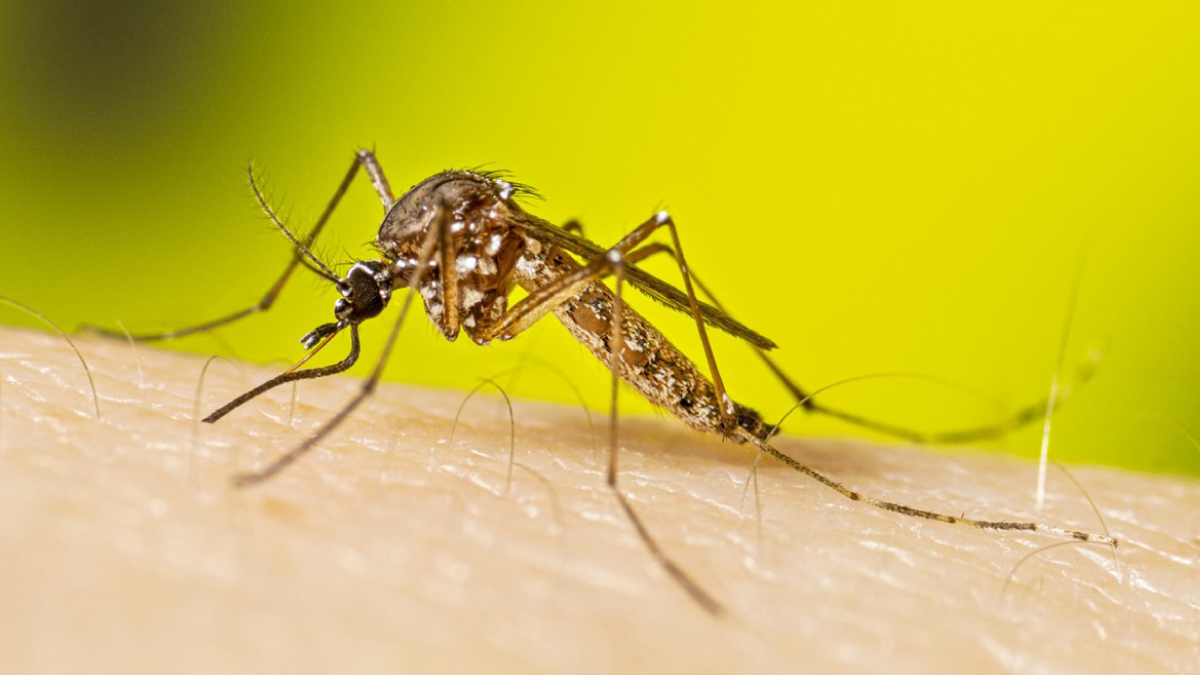
Dengue in Puerto Rico
Dengue, a mosquito-borne viral disease, causes an acute febrile illness that, in severe cases, can be fatal. Diagnosis is based on symptoms and signs (typically fever, myalgias and arthralgias, and retro-orbital pain), and dengue virus infection can be confirmed by PCR testing. Treatment is supportive. Dengue is endemic in tropical and subtropical regions, including Puerto Rico and the U.S. Virgin Islands. During 2024, Puerto Rico reported 6,291 dengue cases, surpassing the epidemic threshold and prompting declaration of a local public health emergency and activation of CDC emergency response. Half of the patients were hospitalized, 4% had severe dengue, and 11 people died. Approximately 1 in 4 severe cases were in persons aged 10–19 years. Clinicians should advise patients who are residents of and travelers to Puerto Rico to prevent mosquito bites by using repellents, wearing protective clothing, and staying in places with doors and window screens. A dengue vaccine, Dengvaxia, is recommended for children ages 9 through 16 with laboratory confirmation of a previous dengue infection who live in areas where dengue is common. It is not approved for travelers.
Read more about Dengue in Puerto Rico:
Dengue Outbreak and Response — Puerto Rico, 2024
Current Dengue Outbreak
About a Dengue Vaccine
Ongoing Risk of Dengue Virus Infections and Updated Testing Recommendations in the United States

Cervical Precancers
Since 2006, when the human papillomavirus (HPV) vaccine was first recommended to prevent cancers and other diseases caused by HPV, vaccination coverage has increased, and many young women vaccinated as children or adolescents have become age-eligible for cervical cancer screening. During 2008–2022, cervical precancer incidence decreased 79% and higher-grade precancer incidence decreased 80% among screened women aged 20–24 years, the age group most likely to have been vaccinated. These data are consistent with HPV vaccination impact and support the Advisory Committee on Immunization Practices recommendations to vaccinate children against HPV at age 11–12 years, with catch-up through age 26 years.
Read more about Cervical Precancers:
Trends in Cervical Precancers Identified Through Population-Based Surveillance — Human Papillomavirus Vaccine Impact Monitoring Project, Five Sites, United States, 2008–2022
HPV Vaccination Recommendations
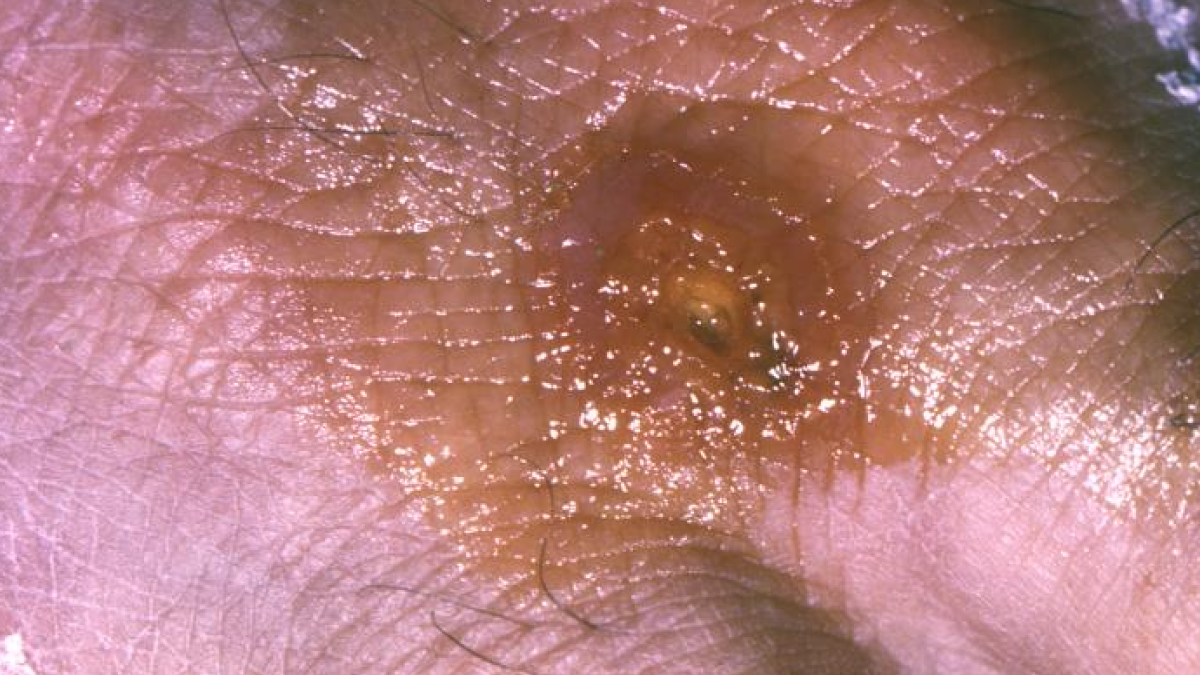
Tularemia
Tularemia, a zoonotic disease caused by the bacterium Francisella tularensis, can be rapidly fatal if not treated. Infection can occur after receiving a bite from an arthropod (e.g., deer fly or tick), improper handling of infected animals, inhaling contaminated aerosols, or drinking contaminated water. Clinical manifestations include fever and localized symptoms such as skin ulcers, regional lymphadenopathy, and pneumonia. In the United States during 2011–2022, 47 states reported 2,462 tularemia cases representing a 56% increase in incidence compared with 2001–2010. Incidence was highest among children aged 5–9 years, older men, and American Indian or Alaska Native people. Early treatment with aminoglycosides, fluoroquinolones, or tetracycline (specific treatment dependent on infection severity) is important to improve outcomes.
Read more about tularemia:
Tularemia — United States, 2011–2022
Tularemia Data and Statistics
Mercury at Recycling Facilities
Workers in electronics waste and lamp recycling facilities face health risks from inhaling mercury vapor and mercury-containing dust. At an Ohio electronics waste and lamp recycling facility, mercury vapor was found in all tested areas, and 6 of 14 workers had elevated urine mercury levels. Five reported signs and symptoms consistent with mercury toxicity, including metallic or bitter taste, difficulty thinking, and changes in personality. Clinicians should remain vigilant for signs and symptoms of mercury toxicity among workers in these environments. A thorough occupational history should assess potential mercury exposure, workplace ventilation, and adherence to personal protective equipment (PPE) use. Clinicians play a key role in prevention by educating patients on proper PPE use and supporting workplace safety improvements through collaborations with occupational health specialists to mitigate exposure risks.
Read more about Mercury exposure at recycling facilities:
Occupational Exposure to Mercury at an Electronics Waste and Lamp Recycling Facility — Ohio, 2023
Toxicological Profile for Mercury
Opportunities to Improve Clinical Outcomes

Expanded Recommendation for Pneumococcal Conjugate Vaccine
Streptococcus pneumoniae (pneumococcus) is a common bacterial cause of respiratory tract infections, bacteremia, and meningitis. People with underlying conditions or factors that increase their risk for pneumococcal disease and older adults experience higher pneumococcal disease rates. Before October 2024, the pneumococcal conjugate vaccine (PCV) was recommended for adults aged 19–64 years at risk for pneumococcal disease and for all adults aged ≥65 years. On October 23, 2024, the Advisory Committee on Immunization Practices recommended a single dose of PCV for all adults aged ≥50 years who are PCV-naïve or who have unknown vaccination history. The risk-based recommendation for adults aged 19–49 years is unchanged. The updated, expanded age-based recommendation is expected to improve pneumococcal disease prevention in adults aged 50–64 years, particularly among demographic groups experiencing higher disease rates.
Did you know? Medscape & MMWR have FREE CME activities

Continuing medical education credits are available from Medscape on select MMWRs.
Subscribe to our newsletter
Get our monthly newsletter delivered to your email inbox.