



Key points
- An eating plan that helps promote health and manage weight includes a variety of nutrient-dense foods.
- Healthy eating patterns can help lower the risk for serious health problems.

Why it's important
People with healthy eating patterns live longer and are at lower risk for serious health problems such as heart disease, type 2 diabetes, and obesity. For people with chronic diseases, healthy eating can help manage these conditions and prevent complications.
According to the Dietary Guidelines for Americans, a healthy eating plan:
- Emphasizes vegetables, fruits, protein, diary without added sugars, healthy fats, and whole grains.
- Includes healthful protein options, such as seafood, meats, poultry, eggs, legumes (beans and peas), soy products, nuts, and seeds.
- Is low in added sugars, sodium (salt), saturated fats, trans fats, and cholesterol.
- Stays within your daily calorie needs. You can calculate your daily calorie needs by your age, sex, height, weight, and activity level.
Keep reading for specific tips for vegetables, fruits, protein foods, and dairy with no added sugars.
Vegetables
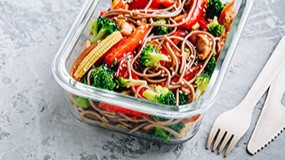
Add variety to grilled or steamed vegetables with an herb such as rosemary. You can also sauté (pan-fry) vegetables in a non-stick pan with a small amount of olive oil cooking spray. Or try frozen or canned vegetables for a quick side dish—just microwave and serve. Frozen peppers, broccoli, or onions can give stews and omelets a quick and convenient boost of color and nutrients.
Look for frozen and canned vegetables without added salt.
Fruits
Fresh, frozen, or canned fruits are great choices. Try fruits beyond apples and bananas, such as mangos, pineapples, or kiwis. When fresh fruit is not in season, try a frozen, canned, or dried variety. Be aware that dried and canned fruit may contain added sugars or syrups. Choose canned varieties of fruit packed in water or in its own juice.
Protein foods
If your favorite recipe calls for frying fish or breading chicken, try healthier variations by baking or grilling. Maybe even try beans in place of meats. Ask friends or search the internet and magazines for recipes with fewer calories. You might be surprised to find you have a new favorite dish!
Dairy with no added sugars
Dairy is an excellent source of protein, healthy fats, vitamins, and minerals. In addition to milk, consider regular or Greek-style yogurt without added sugars. These come in a variety of flavors and can be a great dessert substitute. Lactose-free and lactose-reduced products, as well as fortified dairy alternatives, are also options.