



At a glance
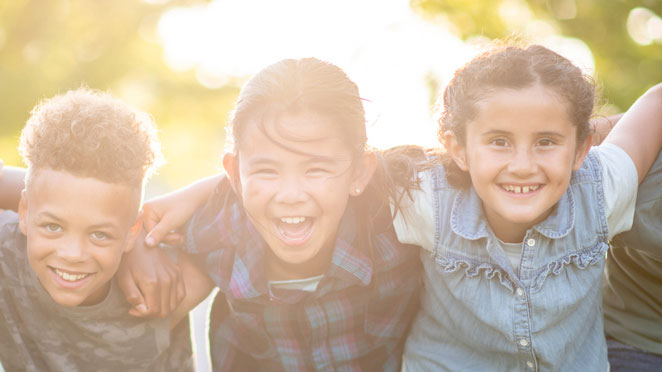
- You can help your children prepare mentally, physically, and emotionally for the upcoming school year with healthy and fun summer activities.
- Children and adolescents need to be physically active for at least 60 minutes every day.
- Children and adolescents need to eat a variety of fruits, vegetables, whole grains, low- or non-fat dairy items, and proteins.
Why It's Important
Learning new ways to be healthy helps children:
- Handle stress well—through physical activity and disrupting negative thoughts.
- Relate to others—by encouraging positive social interactions and emotional awareness.
- Make healthy choices—about how they eat and play.
Summer Goals for Your Child
- Get 60 minutes of physical activity each day.
- Get outside when possible.
- Try new activities.
- Eat fruits and vegetables with each meal.
- Eat less sugar.
- Practice making healthy food choices as a family.
- Get plenty of sleep each day.
- Practice positive thinking.
- Reduce screen time.
What You Can Do
Physical activity
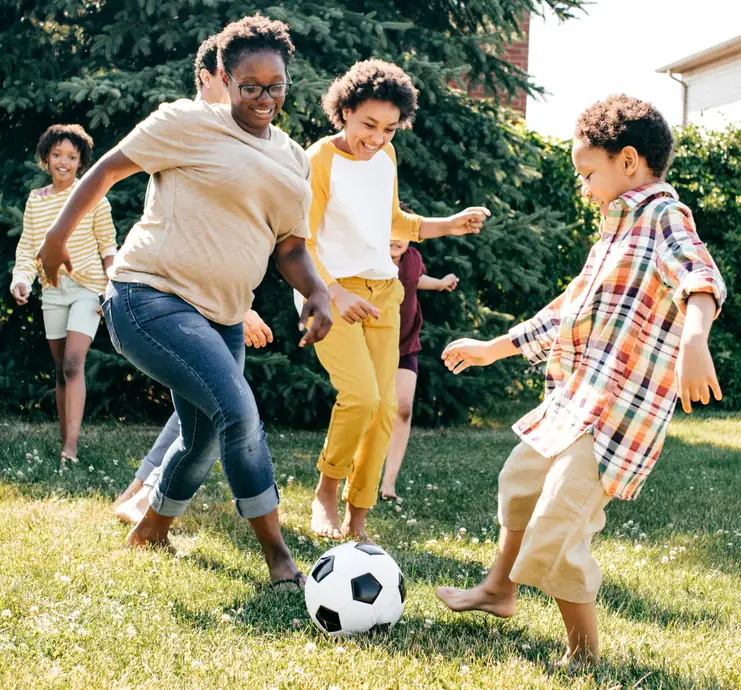
Here are some ideas for helping your child get more activity this summer:
Ideas for indoor activities
- Play games that encourage movement and keep your family physically active when rain or heat keeps you from going outside.
- Watch this video for tips to help your kids stay active indoors.
- Try new physical activities to strengthen their body. Find activities that include things your child can enjoy doing around the house.
Ideas for outdoor activities
- Plan physical activity around your day. Use these ideas to plan and add physical activity before, during, and after camp or other daytime events.
- Discover a fun new activity. It can be rewarding and fun to try a new activity or learn a new sport with friends!
- Explore nature. Use this Family Nature Toolkit to plan and share outdoor experiences with friends or family.
Healthy eating
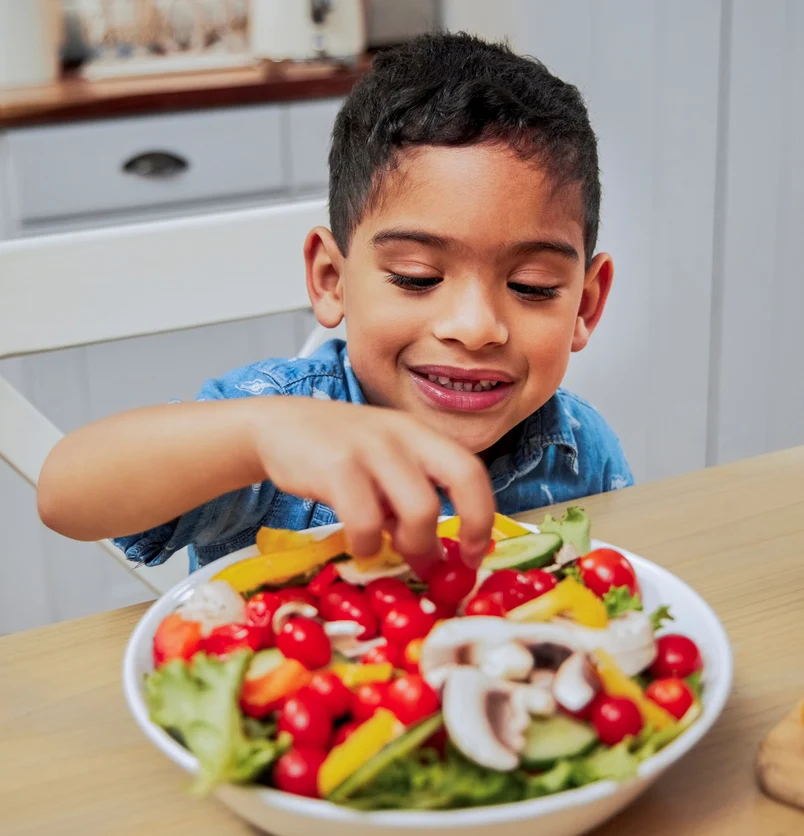
Here are some ways to help your child eat more healthy foods.
- Use games or activities to promote healthy eating. Find a list of interactive websites and activities that are right for your kids' grade levels.
Try new foods or meals with your child.
- Make a new recipe with your child. Choose a kid-friendly recipe that includes a fruit or veggie they like. It's a great way to bond and encourage healthy cooking habits in the home.
- Try a new fruit or vegetable. Use a list of fruits and vegetables and ask your child to pick some to try. Give your child a chance to "rate" the fruit or vegetable using this Kids Food Critic activity. It can make exploring new foods more interactive.
- Provide a variety of healthy foods for breakfast. A healthy breakfast can include foods that aren't traditional breakfast foods. Here are some quick and easy tips for making healthy breakfasts for kids.
Emotional well-being
Here are things you can do to help your child improve their mental health and emotional well-being:
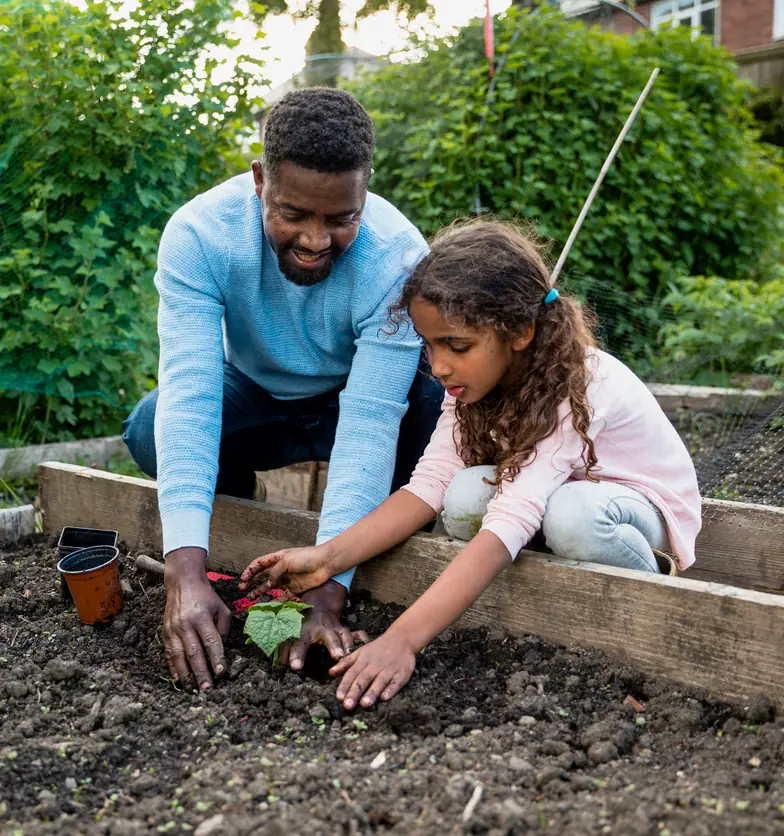
- Help your child recognize and manage emotions, set and achieve positive goals, and make responsible decisions. Check out these resources.
- Encourage your child to get enough sleep and less screen time. Help your child get less screen time and more "lean" time doing physical activity.
- Use positive parenting to help your child discover their inner strength, build their confidence and know they belong and matter. Kids are empowered when they feel understood and trusted. See testimonials from youth on what makes them feel and be their best.
- Get active in your community. Consider camps and other youth programs outside of school. These can offer ways for children to try new activities, develop relationships and social skills, and be physically active. Visit your county's parks and recreation office or website for information on free summer sessions near you.
Content Source
Division of Adolescent and School Health; National Center for Chronic Disease Prevention and Health Promotion (NCCDPHP)
About This Page
Published: September 21, 2026
Updated: September 3, 2026
This page was last updated on this date. Updates may include minor edits, image changes, or other modifications to page content.
Reviewed: September 10, 2026
The information on this page was last reviewed by subject matter experts to ensure accuracy.
- Michael SL, Jones SE, Merlo CL, et al. Dietary and physical activity behaviors in 2021 and changes from 2019 to 2021 among high school students — Youth Risk Behavior Survey, United States, 2021. MMWR Suppl. 2023;72(Suppl 1):75–83.