



Key points
- STOP consultants support immunization strengthening activities, disease outbreak response, and polio eradication efforts.
- During their assignments, STOP consultants live and work in the communities they serve.
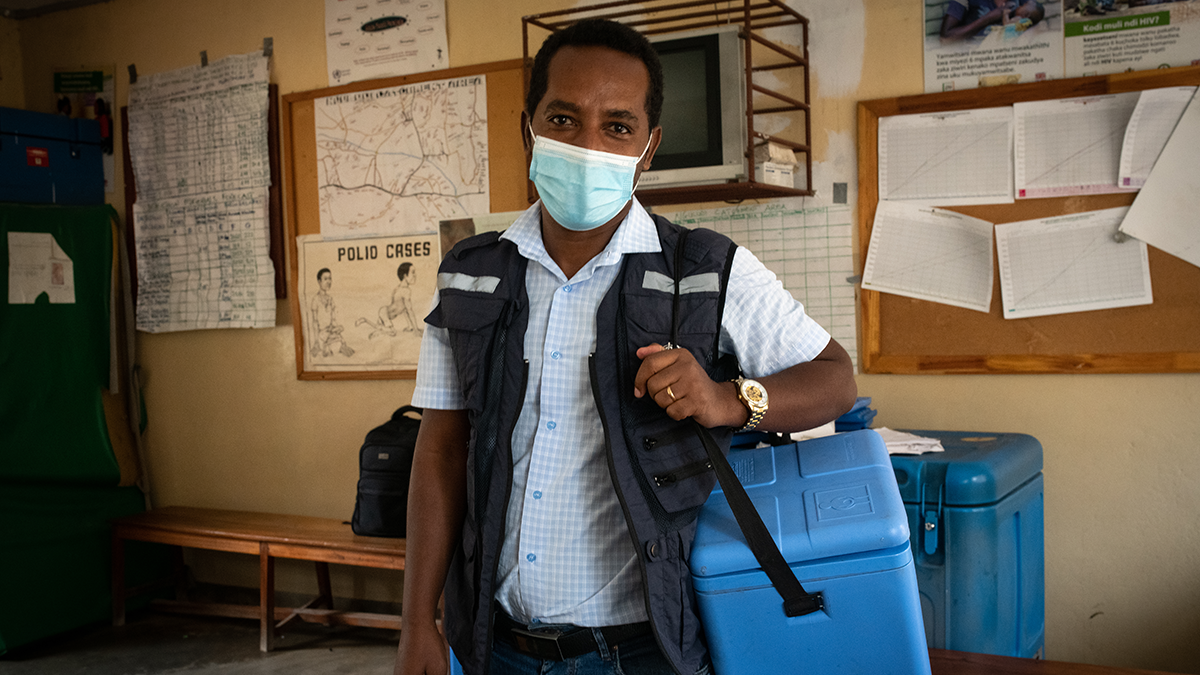
Background
Since its founding STOP has:
- Recruited, trained and deployed 3,500 consultants
- Completed 5,900 assignments
- Supported 81 countries across all six World Health Organization (WHO) regions
Keep Reading
About the STOP Program
What STOP consultants do
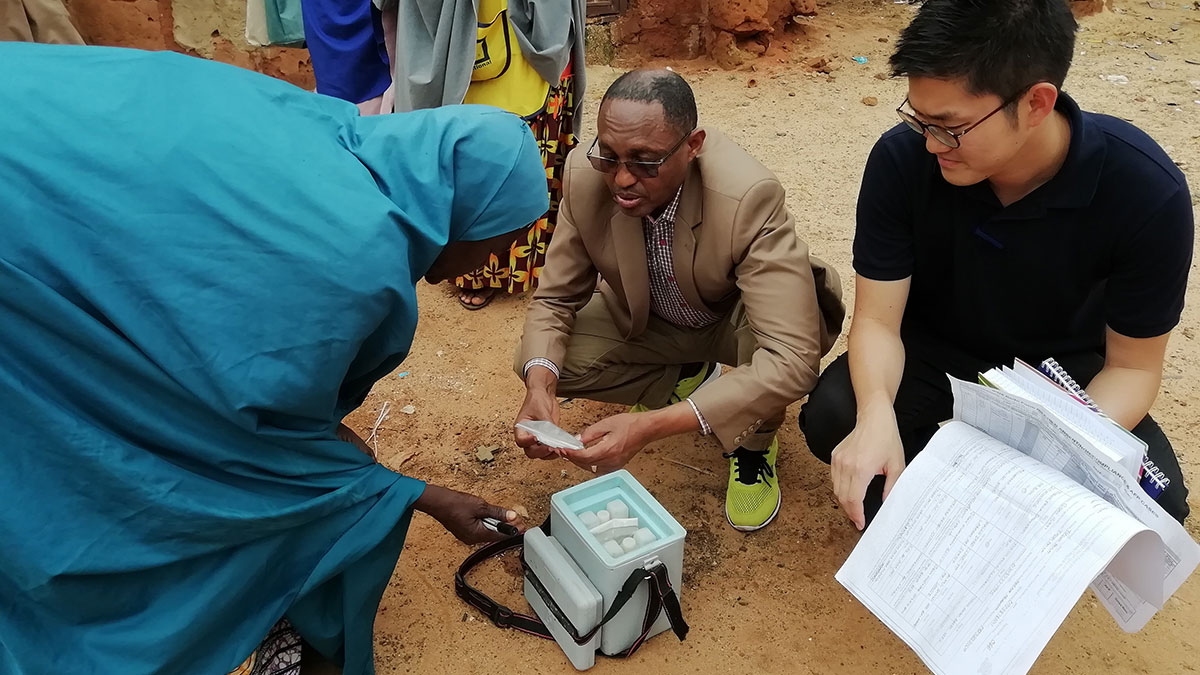
The STOP Program is a collaboration between CDC, AFENET, and the United Nations Children's Fund (UNICEF).
STOP consultants:
- Serve as field epidemiologists, data managers, and social and behavioral change consultants
- Deploy to countries and geographies with the highest vaccine-preventable disease burden
- Live and work in the countries and geographies they serve during their assignments
Key areas of focus include:
- Vaccination activities to mitigate vaccine-preventable disease outbreaks
- Active and passive surveillance
- Health education and communication
- Immunization policy guidance
- Data management and analysis
- Community engagement and social mobilization
Keep Reading
Why the STOP Program Matters
Program priorities
In the countries where they work, STOP consultants:
- Advance progress towards polio eradication where polio is present
- Maintain polio eradication where polio is no longer present
- Help countries strengthen their immunization and surveillance systems
- Support disease outbreak prevention, detection, and response
STOP consultants help countries address vaccine-preventable diseases like polio, measles, rubella, and yellow fever. They also help countries respond to emerging threats like Ebola and COVID-19.
Content Source:
Global Immunization