



Key points
- STOP consultants work where they are needed most.
- STOP activities help prevent, detect, and respond to vaccine-preventable disease threats.
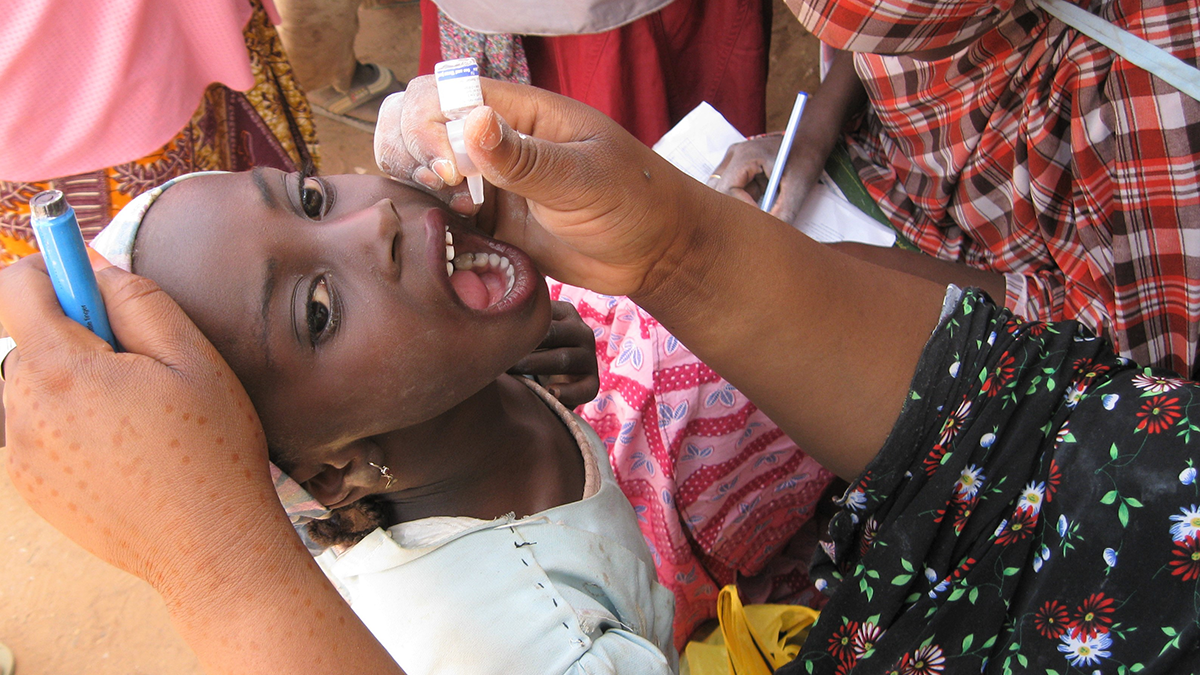
Working where risk is highest
The STOP Program supports countries with the most unvaccinated children and communities at risk for outbreaks of vaccine-preventable disease.
These countries have:
- EndemicA or local transmissionB of vaccine-preventable diseases that puts children and communities at risk
- Large numbers of under- and unvaccinated children
- A shortage of skilled public health staff available to fully support immunization and surveillance activities
STOP Program consultants are also deployed to mitigate the risk of large or disruptive vaccine-preventable disease outbreaks.
Helping countries stop diseases
STOP consultants are critical in helping countries prevent, detect, and respond to vaccine-preventable diseases.
STOP Program investments build country capacity to improve the health and well-being of communities through essential immunization programs and targeted vaccination campaigns.
Responding to outbreaks and emerging threats
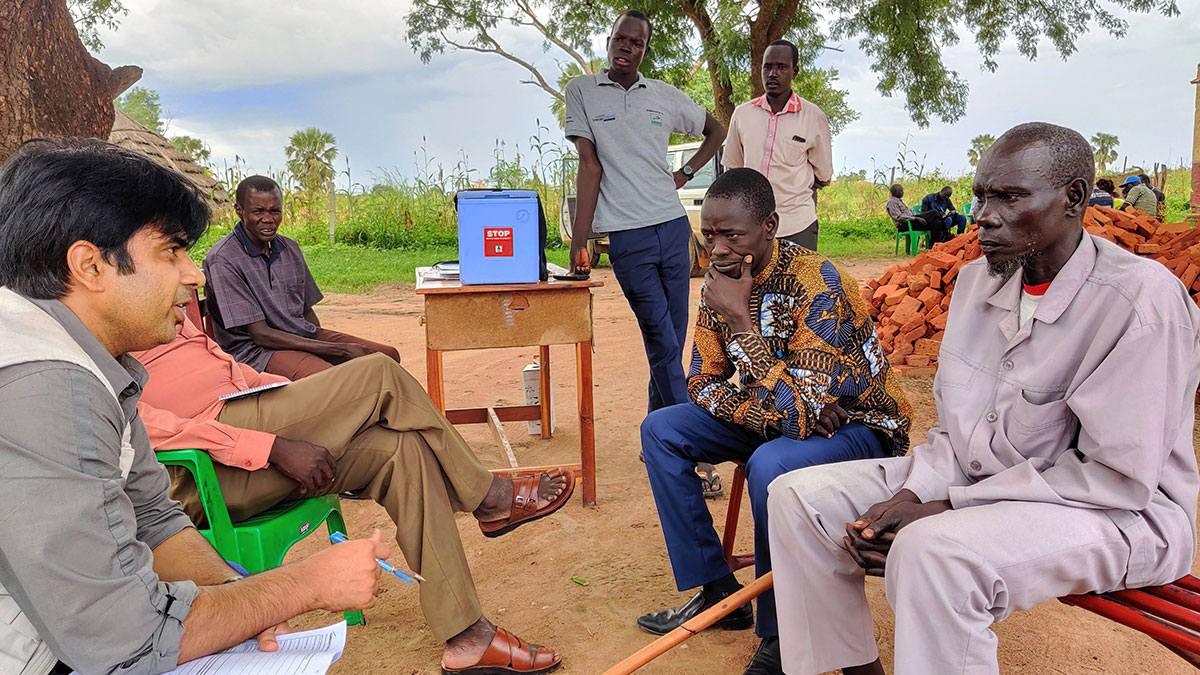
When outbreaks of vaccine-preventable diseases like polio, measles, rubella, and yellow fever arise, STOP consultants provide critical assistance to countries working to address them.
STOP consultants help countries address emerging threats like Ebola and COVID-19. Through in-country support, consultants help reduce the impact of outbreaks allowing countries to concentrate on other health priorities.
Stories from the field
Vaccinating at-risk children in the Philippines
At the end of 2020, the STOP Program sent 12 STOP consultants to the Philippines. Consultants assisted with an immunization campaign to vaccinate more than 9 million children against measles and rubella. The campaign also vaccinated more than 7 million against polio. Consultants supported campaign implementation, monitoring and evaluation, and routine immunization system strengthening.
Making measurable impacts
In just a five-month period, from August to December 2021, STOP Program participants led the following activities:
- Trained a total of 161,035 healthcare staff through supportive supervision (on-the-job training, sensitization, mentorship, and formal group training)
- Supported a total of 17,288 health facilities through both in-person and remote supervision of healthcare staff
- Spent a total of 170,610 hours working as a STOP consultant, averaging 45 hours per week and sometimes spending up to 120 hours a week working on vaccine-preventable diseases and other health programs
- "Endemic" refers to diseases that are consistently present within a geographic area.
- "Local transmission" happens when a person who has not traveled gets infected with a disease where they live, work, or play.