



At a glance
Food Safety Updates From CDC is an electronic newsletter of food safety news for educators, consumer advocates, government officials, and industry representatives.
Food Safety Doesn’t Stop at Your Table!

Welcome to the Fall edition of our Food Safety Newsletter for 2026! During National Food Safety Education Month, we acknowledge food safety is a part of the shared meal experience no matter where it takes place. As we embrace the arrival of cooler weather, we're excited to share the latest food safety updates and essential tips to keep you and your loved ones healthy and safe.
Food Safety Tip
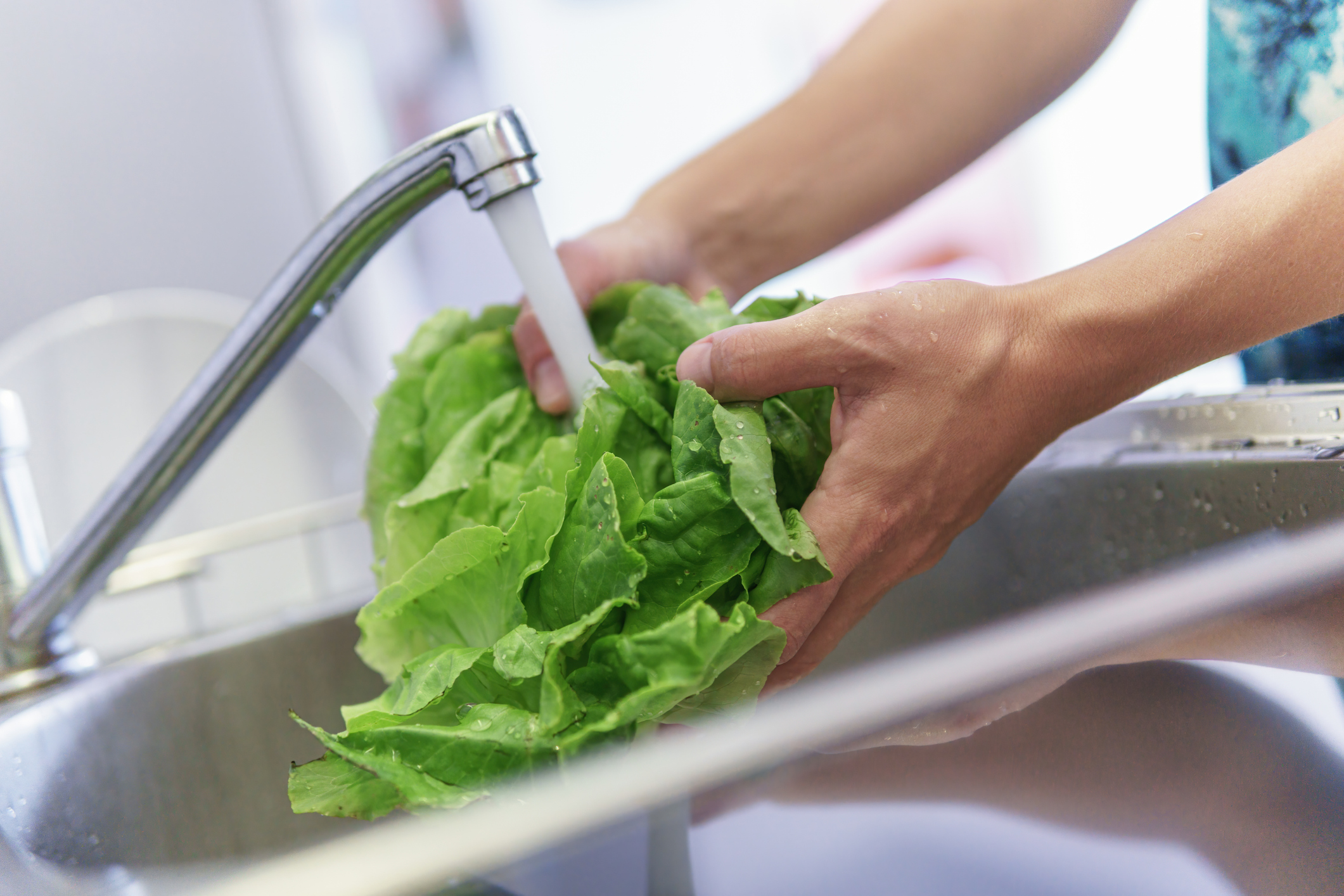
Take the following steps to reduce your risk of getting Cyclospora infection:
- Wash your hands and any fresh produce thoroughly under running water before eating, cutting, or cooking.
- Cooking can kill the parasite. Since washing alone cannot guarantee Cyclospora removal, you can cook produce to a temperature of at least 158 °F (70°C).
- Learn which foods are more likely to contain the parasite Cyclospora and ways to prevent getting cyclosporiasis.
- Stay up to date on food recalls and outbreaks.
Cyclosporiasis in the News
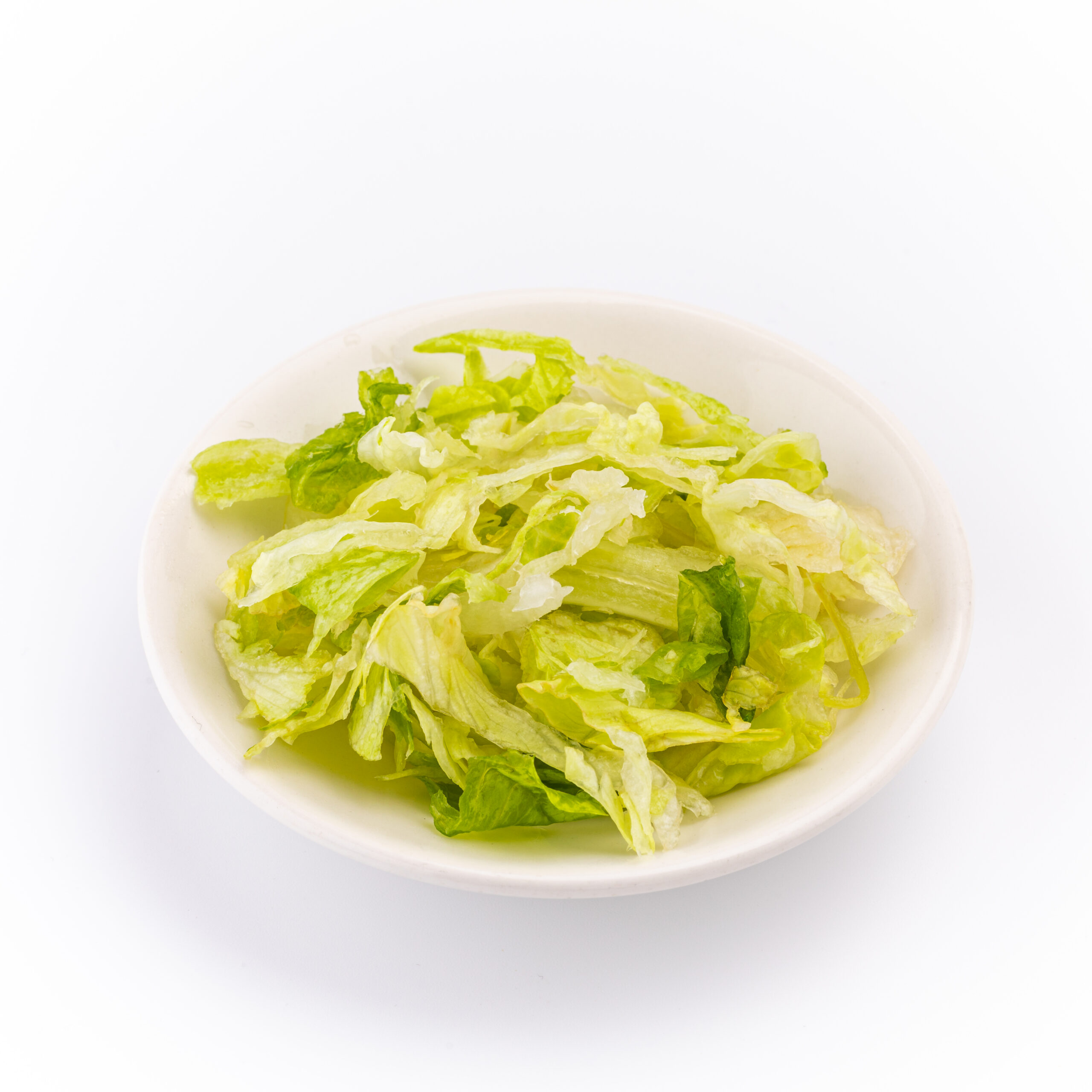
This summer, you may have heard more information than usual about cyclosporiasis. People can get sick with cyclosporiasis from eating food or drinking water contaminated with a parasite called Cyclospora. Cyclosporiasis is not usually life-threatening, but it can make some people very sick. Common symptoms include watery diarrhea, cramping, and bloating. CDC and its partners are investigating multiple clusters of cyclosporiasis, including a large multistate outbreak that was linked to processed iceberg lettuce from central Mexico. This multistate outbreak contributed significantly to the increase in Cyclospora cases this year.
Read more about Cyclospora this year.
BEAM+ Dashboard Updates
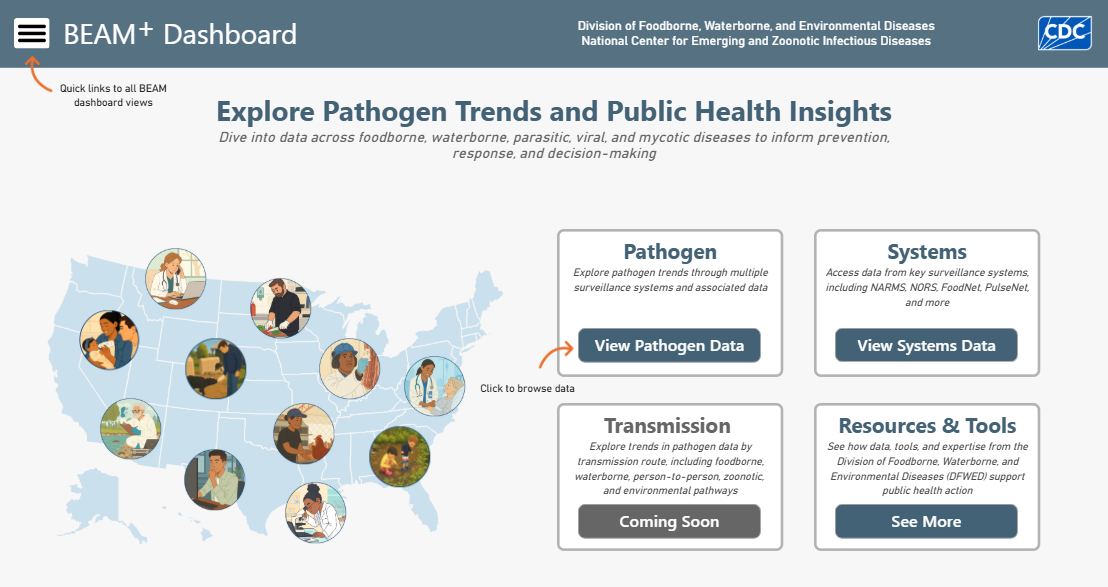
The BEAM (Bacteria, Enterics, Ameba, and Mycotics) Dashboard, now known as BEAM+ dashboard, was recently updated to improve navigation and expand capacity building and surveillance content.
Highlights include a redesigned main landing page with clear "pathogen" and "system" navigation and a Capacity Building page summarizing how CDC uses Epidemiology and Laboratory Capacity and Emerging Infections Program cooperative agreement funding to strengthen state, local, and territorial public health capacity for food safety.
We encourage you to explore these new resources to support surveillance, laboratory preparedness, clinical recognition, and prevention efforts. Please send feedback, technical questions, and data inquiries to contactsimso@cdc.gov.
NARMS Releases New Five-year Strategic Plan

The Food and Drug Administration, in collaboration with CDC, the U.S. Department of Agriculture, and partners in the National Antimicrobial Resistance Monitoring System (NARMS), released the NARMS Strategic Plan: 2026–2030.
The new strategic plan strengthens core surveillance of antimicrobial resistance in enteric (intestinal) bacteria, expands collaborative networks, embraces innovation, and assesses the effectiveness of infection prevention policies and antibiotic stewardship practices. Together, these focus areas will help NARMS improve and increase monitoring, data sharing, collaboration, and using research to drive action.
This year marks the 30th anniversary of NARMS. Learn more about milestones and achievements of NARMS at CDC.
Tracking Salmonella Reoccurring, Emerging, or Persisting (REP) Bacterial Strains
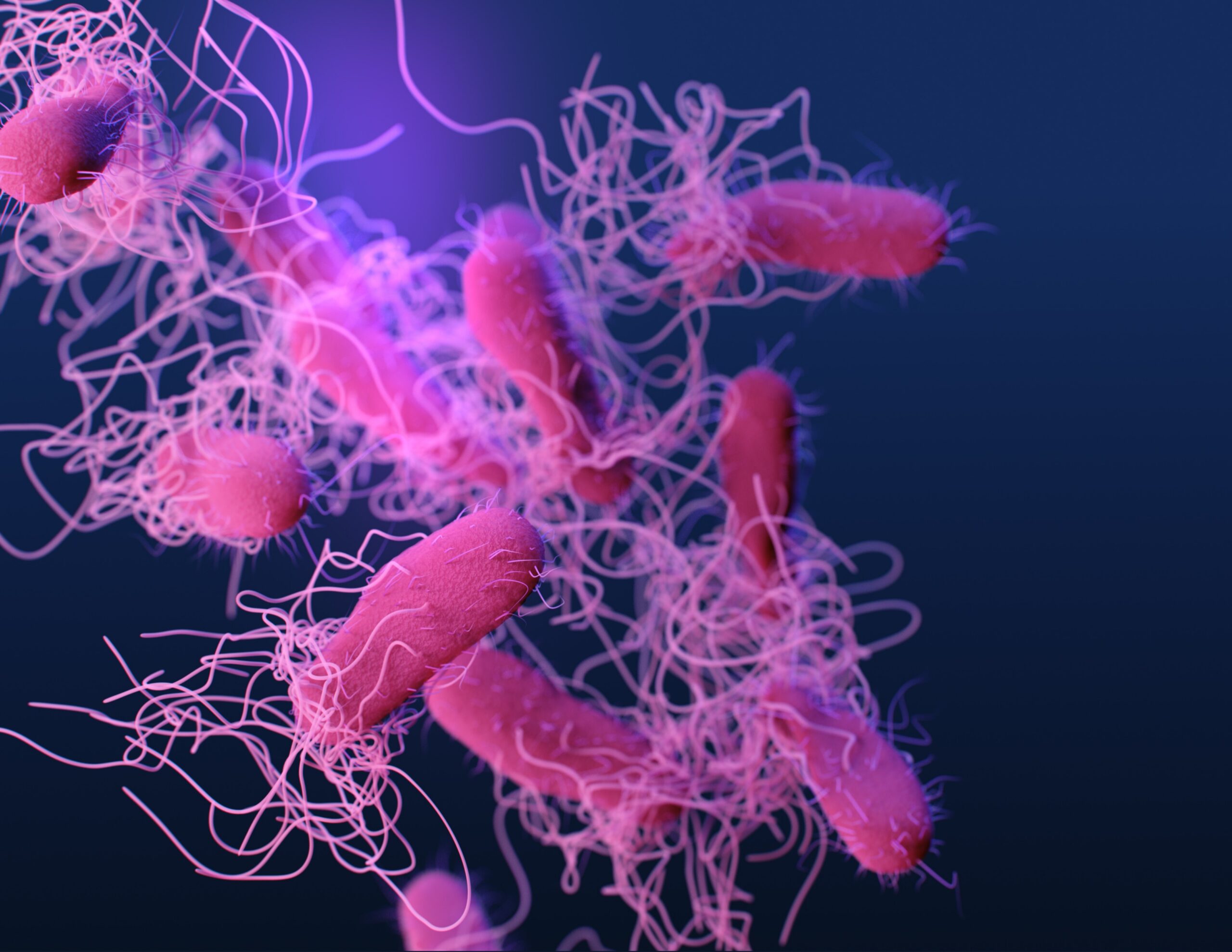
CDC, together with federal, state, territorial, and local partners, track and investigate reoccurring, emerging, or persisting (REP) bacterial strains to support research, collaboration, and prevention efforts. CDC recently updated information on three Salmonella REP strains causing foodborne illness in the United States: S. Infantis, S. Newport, and S. Enteritidis.
Salmonella symptoms usually include diarrhea, fever, and stomach cramps and can sometimes lead to severe illness requiring hospitalization. Protect yourself and others by washing hands, safely preparing and storing food, and practicing safe eating and drinking habits while traveling.
Persistent Strain of Salmonella Infantis
This page was last updated on this date. Updates may include minor edits, image changes, or other modifications to page content.
The information on this page was last reviewed by subject matter experts to ensure accuracy.