



Key points
- Since May 1, 2026, CDC has received reports of 10,468 laboratory-confirmed domestic cases of cyclosporiasis.
- CDC is aware of more than 12,255 additional cases that are not laboratory-confirmed or require further investigation and analysis, such as ruling out exposure to sources overseas. Many of the additional cases have been reported by Michigan.
- CDC's surveillance updates do not include probable cases. State data may include probable and confirmed cases, resulting in higher case counts than what CDC reports. CDC is working closely with states to update numbers as additional cases are confirmed.
- CDC is publishing weekly surveillance data updates in 2026 due to the increase in cases in multiple states compared to the same period in 2025.
- CDC is investigating multiple clusters of Cyclospora cases, including one multistate outbreak linked to iceberg lettuce. This multistate outbreak has contributed significantly to the increase in Cyclospora cases this year.
Overview
Recall alert
On July 17, 2026, Taylor Farms recalled iceberg lettuce sourced from central Mexico. The recall includes iceberg lettuce sold at retail stores and served in restaurants. It also includes other recalled products distributed to food service customers. A list of products is included in the recall notice.
CDC, FDA, and public health officials in several states are investigating a multistate outbreak of Cyclospora infections linked to iceberg lettuce. See more information on the multistate outbreak investigation.
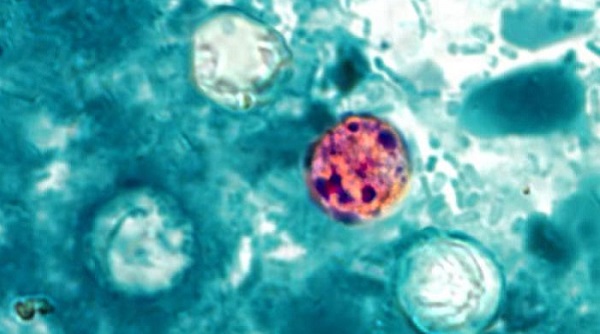
Cyclosporiasis is a gastrointestinal illness caused by the microscopic parasite Cyclospora. Cyclosporiasis is a nationally notifiable disease and is reportable in 47 states, the District of Columbia, and New York City. For the states in which it is not reportable, it is still important for healthcare providers and the public to inform local health departments about potential cases and clusters of the illness so that they can take appropriate action to prevent additional cases.
How CDC monitors cases
CDC, along with state and federal health and regulatory officials, monitors laboratory-confirmed cases of cyclosporiasis year-round to detect outbreaks linked to a common food source in the United States. Regular monitoring aids in swiftly identifying and investigating outbreaks in the United States. Cyclosporiasis can also be acquired when people eat or drink contaminated food or water during travel outside the United States. CDC and other agencies are working to further develop and validate molecular-level tools for linking cyclosporiasis cases.
Case counts rise during the spring and summer months. The cyclosporiasis season in the U.S. is May 1 through August 31. Clusters of cyclosporiasis cases have been detected outside this range in some years. In 2026, the outbreak season began on May 1.
Cases acquired in the U.S.
May 1 - August 3, 2026:
These people became sick after eating food in the United States and did not report any international travel during the 14 days before they got sick.
They ranged in age from 1 to 98 years, with a median age of 45, and 56% were female. The median illness onset date was July 4, 2026 (range from May 1 to July 28).
These data include the cases reported in the ongoing multistate outbreak linked to iceberg lettuce. Multiple jurisdictions have reported an increase of cases compared to the same period in 2025. We estimate a 6-week reporting lag between illness onset and case reporting to CDC, so we anticipate that case counts will continue to rise as data are received.
CDC teams are working diligently to collect, analyze, and provide data at the national level. State health departments may have more timely information about the situation in their jurisdictions.
Notice
Case locations
This map shows the states of residence of the 10,468 people with laboratory-confirmed domestically acquired cyclosporiasis since May 1, 2026. Potential Cyclospora infections are typically investigated by the state or local health department where people live, even if they were exposed to the parasite in another state. Cyclosporiasis cases may not be limited to these states with known cases. The true number of people sick with cyclosporiasis was likely higher than the number reported. This is because some people recover without medical care and are not tested for Cyclospora.
*These data include case data reported directly to the CDC Cyclospora program. Case counts may not match exactly with what is listed in the Nationally Notifiable Diseases Surveillance System tables. New York State includes case reports from New York City. In Pennsylvania, cases are reported voluntarily. Data are preliminary and subject to change. For questions related to the number of cases reported in each state, contact that state's health department.
Cases acquired outside the U.S.
These cases are in addition to those acquired in the United States.
May 1 - August 3, 2026:
These people became sick after eating food or drinking water while they were traveling outside the United States during the 14 days before they got sick.
They ranged in age from 10 months to 95 years, with a median age of 45, and 58% were female. The median illness onset date was July 4, 2026 (range from May 1 to July 30).
How CDC collects cyclosporiasis data
CDC collects data on cyclosporiasis through routine public health surveillance: clinicians and clinical laboratories report cases to local and state health departments according to their reporting practices. They send case information to CDC via the National Notifiable Diseases Surveillance System (NNDSS) and outbreak-specific reporting channels.
State and local health departments also conduct case investigations using standardized questionnaires (capturing clinical, demographic, and exposure information) and notify CDC when clusters or outbreaks are suspected. Jurisdictions may request patient interviews, stool specimens, and detailed laboratory testing results to support epidemiologic analyses and any molecular or reference testing.
CDC further partners with state public health laboratories, FDA, and other agencies to integrate laboratory data and food traceback information to help identify outbreak sources and inform prevention efforts.
How CDC investigates outbreaks
CDC works with state, local, and federal partners to combine patient interviews, food traceback through the supply chain, and laboratory testing to find the source of multistate outbreaks. Many foods investigated in outbreaks have multiple produce ingredients, like salsa or salads, making it difficult to narrow down to a single food item. In addition, the Cyclospora parasite is harder to track than many bacteria like Salmonella because whole genome sequencing isn't available for this pathogen. CDC uses genetic testing targeting specific markers on stool samples to group related cases which helps prioritize traceback and other actions to stop more illnesses.
Resources
- Reporting a Foodborne Disease Outbreak (general public)
- Report a Problem with Food
- Cyclosporiasis National Hypothesis Generating Questionnaire
- FDOSS Home | Foodborne Disease Outbreak Surveillance System (FDOSS)| CDC
- Foodborne Outbreak Surveillance Data
- Food and Water Precautions for Travelers | Yellow Book | CDC
- Symptoms of Cyclosporiasis | Cyclosporiasis | CDC
This page was last updated on this date. Updates may include minor edits, image changes, or other modifications to page content.
The information on this page was last reviewed by subject matter experts to ensure accuracy.