


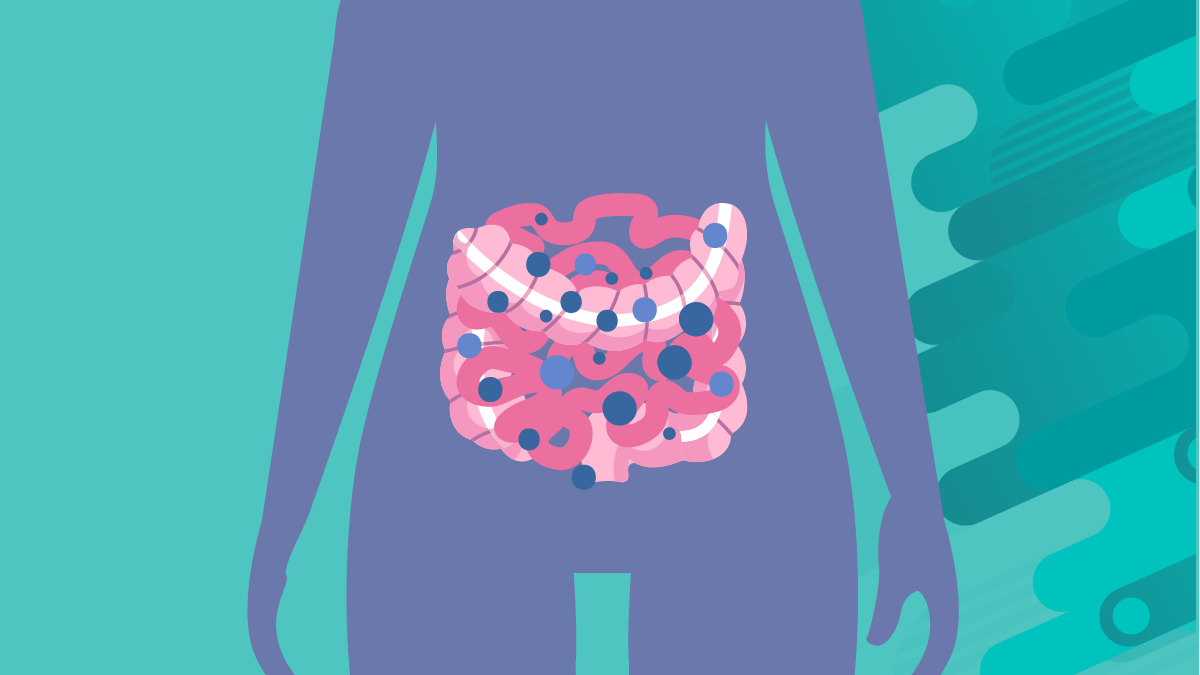
Candidiasis occurs when Candida, a yeast that lives in parts of the body, grows out of control.

Symptoms of candidiasis depend on the type of infection: vaginal, oral, esophagus, or invasive.
Healthcare providers diagnose candidiasis with different tests depending on the type of infection.
Risk factors for candidiasis include having a weakened immune system and antibiotic use.
Learn ways to help prevent the different types of candidiasis.
Candidiasis is treated with antifungals. The type, dose, and route depends on infection type.
Invasive candidiasis

Clinical information on features, prevention, testing, and treatment for invasive candidiasis.

An overview of trends for candidemia, the most common form of invasive candidiasis

Antifungal-resistant invasive candidiasis is increasing with few antifungals available.
More fungal diseases and related resources

Fungal diseases and antifungal resistance are increasing worldwide. Misdiagnosis is common.
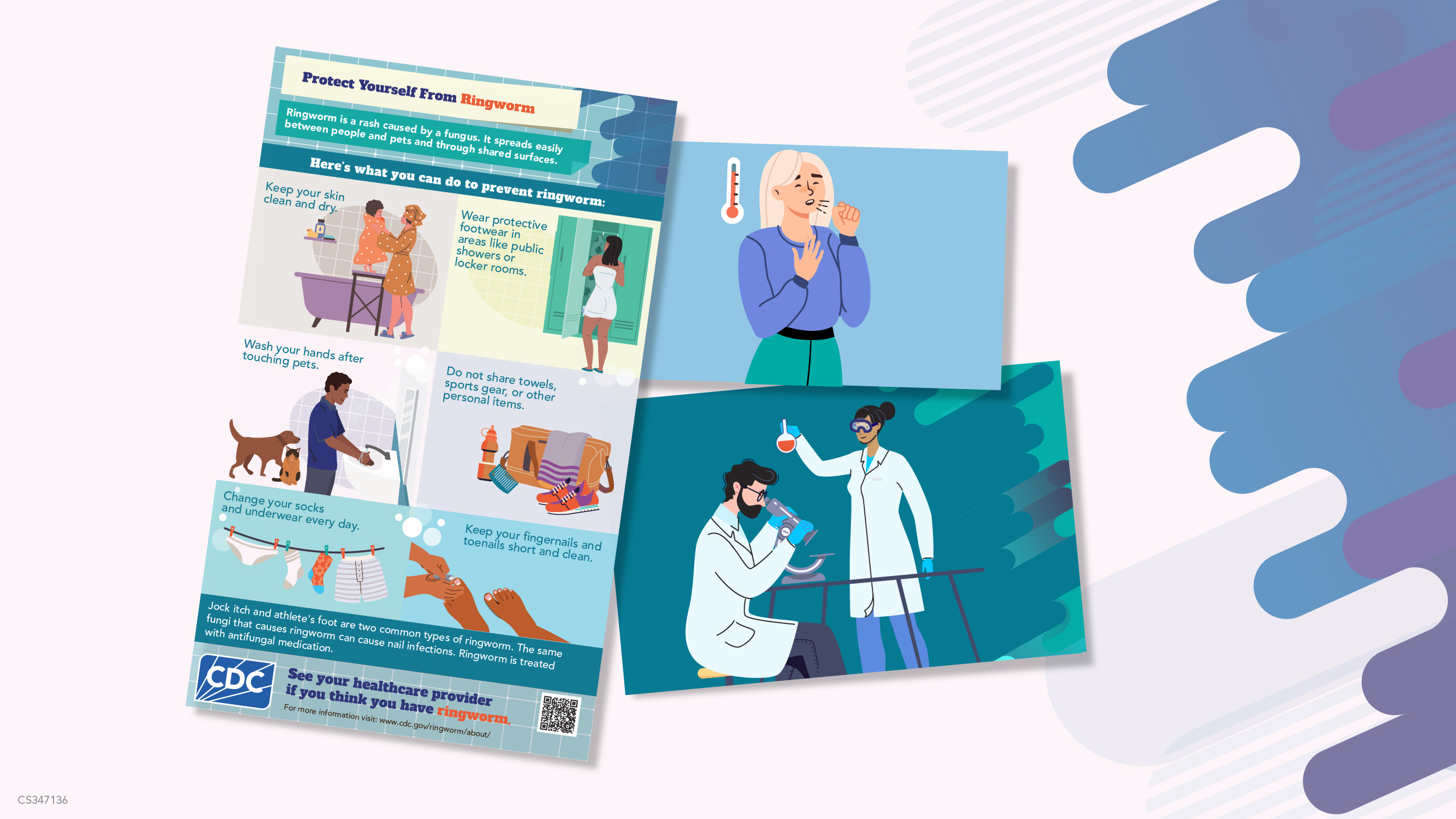
Find and download social media graphics, fact sheets, infographics, and animated videos.

Access job aids and webinars and listen to podcasts featuring world experts in fungal diseases.