Human Papillomavirus (HPV) and Cancer

Human papillomavirus (HPV) causes most cervical cancers, as well as some cancers of the vagina, vulva, penis, anus, rectum, and oropharynx (cancers of the back of the throat, including the base of the tongue and tonsils).
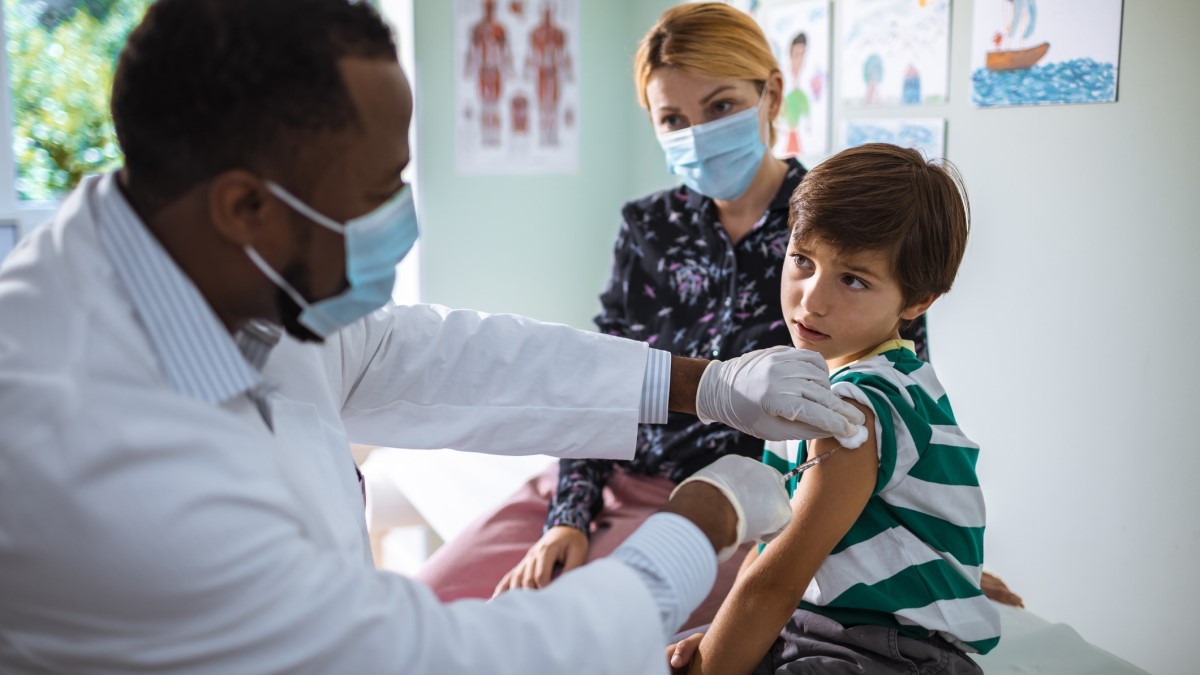
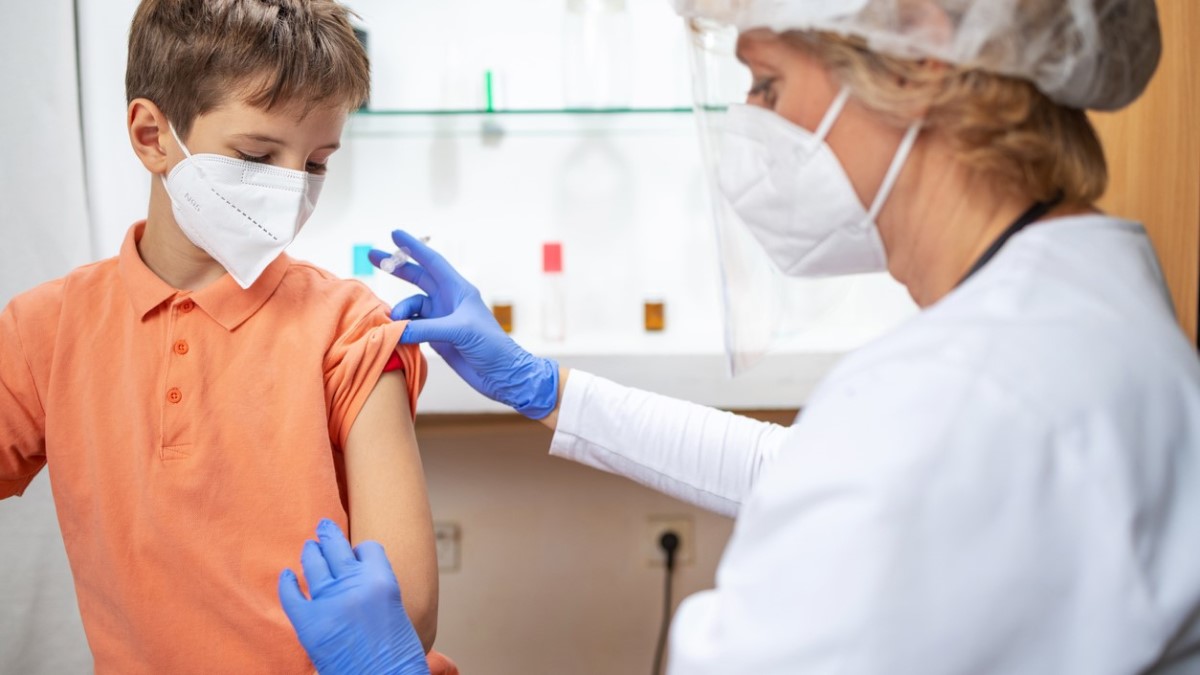
HPV vaccines are recommended for preteen girls and boys to protect against HPV infection. All kids who are 11 or 12 years old should get the three-dose series of HPV vaccine. Teens who did not get the vaccine or did not get all three doses when they were younger should get it now.
Two screening tests can help prevent cervical cancer or find it early. The Pap test is recommended for women between ages 21 and 65. If you are 30 years old or older, you may choose to have an HPV test along with the Pap test.
Statistics
Each year, about 38,793 new cases of cancer are found in parts of the body where HPV is often found. HPV causes about 30,700 of these cancers. Cervical cancer is the most common HPV-associated cancer among women, and oropharyngeal cancers (cancers of the back of the throat, including the base of the tongue and tonsils) are the most common among men. Learn more.
Featured Resources

The Genital HPV Infection fact sheet explains what HPV is, what health problems it can cause, and how to lower your risk of getting it.
HPV vaccination can prevent about 28,500 new cancers per year. Share this image on social media to spread the word.

This fact sheet explains the health problems HPV can cause in men, especially cancer.
This fact sheet [PDF-320KB] explains why HPV vaccines are safe for your child.
This blog post explains five things you may not know about HPV.
- Page last reviewed: August 24, 2016
- Page last updated: August 24, 2016
- Content source:
ShareCompartir