



At a glance
- Good personal hygiene and handwashing are critical to help prevent the spread of disease.
- Sanitation and hygiene are especially important during an emergency, such as a natural disaster, when finding clean, safe water could be difficult.
- Learn about important cleanliness tips to keep yourself and loved ones healthy during an emergency.
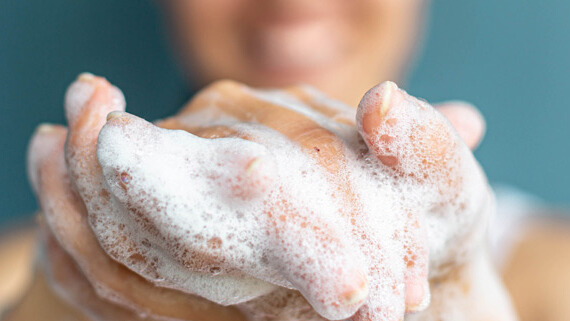
Wash your hands
Keep hands clean to help prevent the spread of germs.
- Wash your hands with soap and water for at least 20 seconds, especially during key times when you are most likely to spread germs. Follow CDC's five easy steps to make sure you are washing your hands the right way.
- Wash your hands with soap and water that has been boiled or disinfected if local authorities or your doctor recommend extra caution.
- During a boil water advisory or "do not drink water" advisory, it may be safe to wash hands with tap water.
- If clean tap water is not available, create a temporary handwashing station by using a large water jug.
- If you do not have soap and water, use an alcohol-based hand sanitizer that contains at least 60% alcohol.
Bathe in safe water
Follow local guidance on water that is safe for bathing.
If you are using municipal water, listen to your local health and drinking water authorities for guidance on whether you can bathe or shower after a water-related emergency. Sometimes water that is not safe to drink can be used for bathing, but be careful not to swallow any water or get it in your eyes.
Do not bathe:
- In water that may be contaminated with sewage or toxic chemicals.
- In rivers, streams, or lakes that are contaminated by flood water, human sewage, or animal waste.
If you have a drinking water well, listen to your local health authorities for advice on using well water for showering and bathing. If extensive flooding has occurred or you suspect your well may be contaminated, contact your local, state, or tribal health department for specific advice on well testing and disinfection.
Brush your teeth with clean water
Use only clean water to brush your teeth after a water-related emergency. Listen to local authorities to find out if tap water is safe to use.
- Find information about preparing a home water supply and making your water safe for brushing your teeth.
- Visit CDC's Oral Health website for information on caring for your teeth.
Protect wounds
Keeping wounds clean and covered is crucial during an emergency. Open wounds and rashes that have been exposed to contaminated water can become infected.
Naturally occurring bacteria such as Vibrio that live in certain coastal waters can also cause a skin infection when an open wound is exposed to salt water or brackish water. Brackish water is a mix of salt and fresh water often found where rivers meet the sea.
To protect yourself and your family:
- Avoid contact with flood waters, salt water, or brackish water if you have an open wound (including cuts and scrapes).
- Keep open wounds as clean as possible by washing well with soap and clean water.
- Cover clean, open wounds with a waterproof bandage to reduce your chance of infection.
- Seek immediate medical care if a wound develops redness, swelling, or oozing.
Change diapers safely
It's always important to change diapers in a safe, germ-free way, but an emergency can make this difficult. Even a microscopic amount of poop can contain millions of germs. CDC has guidelines and checklists to help parents, childcare providers, emergency responders, and others learn how to safely change diapers in emergency situations.
