



Key points
- Ebola disease is caused by an infection with an orthoebolavirus.
- Orthoebolaviruses are found primarily in sub-Saharan Africa.
- Orthoebolaviruses can cause serious and often deadly disease, with a mortality rate as high as 80 to 90 percent.
- There is an FDA-approved vaccine for the prevention of Ebola virus (species Orthoebolavirus zairense).
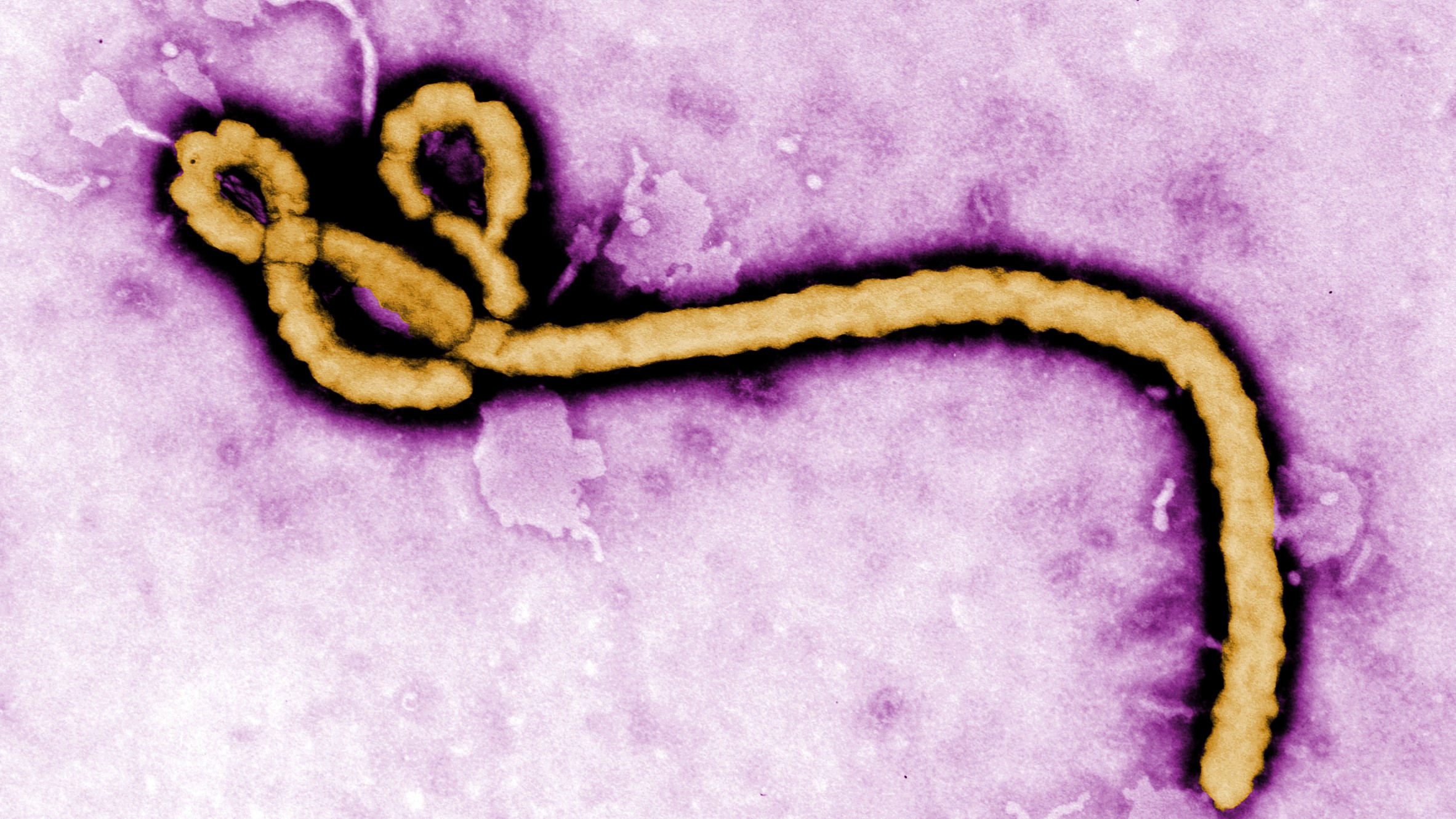
What it is
Ebola disease is caused by a group of viruses, known as orthoebolaviruses (formerly ebolavirus)1. These viruses can cause serious illness that, without treatment, can cause death. Orthoebolaviruses were discovered in 1976 in the Democratic Republic of the Congo and are found primarily in sub-Saharan Africa.
Types
There are 4 types of orthoebolaviruses that cause illness in people:
- Ebola virus (species Orthoebolavirus zairense) causes Ebola virus disease.
- Sudan virus (species Orthoebolavirus sudanense) causes Sudan virus disease.
- Taï Forest virus (species Orthoebolavirus taiense) causes Taï Forest virus disease.
- Bundibugyo virus (species Orthoebolavirus bundibugyoense) causes Bundibugyo virus disease.
Two other types of orthoebolaviruses have not affected people to date:
- Reston virus (species Orthoebolavirus restonense) has caused disease in non-human primates like macaques.
- Bombali virus (species Orthoebolavirus bombaliense) was more recently identified in bats.
Signs and symptoms
People with Ebola disease may experience "dry" symptoms early in the course of illness. These symptoms may include fever, aches, pains, and fatigue. As the person becomes sicker, the illness typically progresses to "wet" symptoms and may include diarrhea, vomiting, and unexplained bleeding.
How long it takes for signs to show
Someone with Ebola disease may start getting sick 2 to 21 days after contact with an orthoebolavirus. However, on average, symptoms begin 8 to 10 days after exposure.
Risk factors
Healthcare providers and family members caring for someone with Ebola disease without proper infection control methods have the highest risk of infection.
The viruses that cause Ebola disease pose little risk to travelers or the general public.
How it spreads
People can get Ebola disease through contact with the body fluids of an infected sick or dead person. Rarely, some people can get the disease from contact with an infected animal, like a bat or non-human primate.
Prevention
If you live in or are traveling to regions where Ebola disease has been diagnosed or is suspected, take steps to protect yourself.
Avoid contact with body fluids
Avoid contact with body fluids, including:
- Blood, urine, feces, saliva, sweat, vomit, breast milk, amniotic fluid, semen, and vaginal fluid from people who are sick
- Semen from someone who has recovered from Ebola disease until testing shows that the virus is no longer in the semen
Also, avoid contact with:
- Clothes, bedding, needles, medical equipment, or other items that may have touched an infected person's blood or body fluids
- The body of someone who is suspected or confirmed to have had Ebola disease (for instance, as part of a funeral or burial practices)
- Bats, forest antelopes, primates, and blood, fluids, or raw meat from these or unknown animals
Wear personal protective equipment
Wear personal protective equipment if you come in contact with people who are sick or have died from Ebola disease, their blood and body fluids, or objects covered with their blood or body fluids.
Monitor your health
If you return from an area with an ongoing Ebola outbreak, monitor your health for 21 days. Seek medical care immediately if you develop symptoms of Ebola disease.
Testing and diagnosis
Healthcare providers order polymerase chain reaction (PCR) blood testing to diagnose Ebola disease in people who are alive. They can also do blood testing for orthoebolavirus antibodies to see if the patient recently had Ebola disease.
Someone being tested for Ebola disease should be separated from other people in a healthcare facility until results are confirmed.
Treatment
Two FDA-approved treatments2 are currently available to treat Ebola disease only in the Orthoebolavirus zairense species: Inmazeb™ and Ebanga™.
Supportive care:
Patients have a much better chance of surviving if they receive:
- Fluids and electrolytes (body salts) by mouth or into their veins.
- Medicine to support blood pressure, reduce vomiting and diarrhea, and to manage fever and pain.
- Treatment for other infections, if they occur.
- 1 In an effort to decrease confusion of genus, species, and virus names, the International Committee on Taxonomy of Viruses (ICTV) changed the genus name Ebolavirus to Orthoebolavirus. Genus: Orthoebolavirus | ICTV
- 2 Disclaimer: The mention of any product names or non-United States Government entities on CDC Ebola websites is not meant to serve as an official endorsement of any such product or entity by the CDC, the Department of Health and Human Service, or the United States Government.