



Key points
- Healthcare workers face many risks on the job that can affect their physical and mental health.
- This page highlights hazards healthcare workers experience and best practices to prevent injuries and illnesses.
- NIOSH has fact sheets, trainings, and other resources to help healthcare employers and workers.
Facts
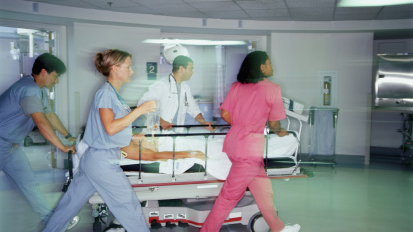
In 2020:
- There were 16.4 million healthcare workers.1
- Women represented 78% of the healthcare work force.1
- Registered nurses made up about 21% of the healthcare workforce, the largest occupational group.1
Risks
The many occupational risks that healthcare workers can experience include:
- Chemical exposures
- Fatigue
- Hazardous drugs
- Infectious agents
- Musculoskeletal injuries
- Stress
- Suicide
- Violence
Although it's possible to prevent or reduce these hazards, healthcare workers continue to experience injuries and illnesses at work.
Best practices
Pandemic planning
Outbreaks and pandemics can place extraordinary demands on health care systems. NIOSH has resources on ways to prolong existing supplies while still offering the most protection available to workers.

Personal protective equipment (PPE)
Healthcare workers may need to wear PPE to protect from infectious diseases or hazardous drugs. To get the best protection possible, PPE must fit well and be put on (donned) and taken off (doffed) correctly.


Professional wellbeing
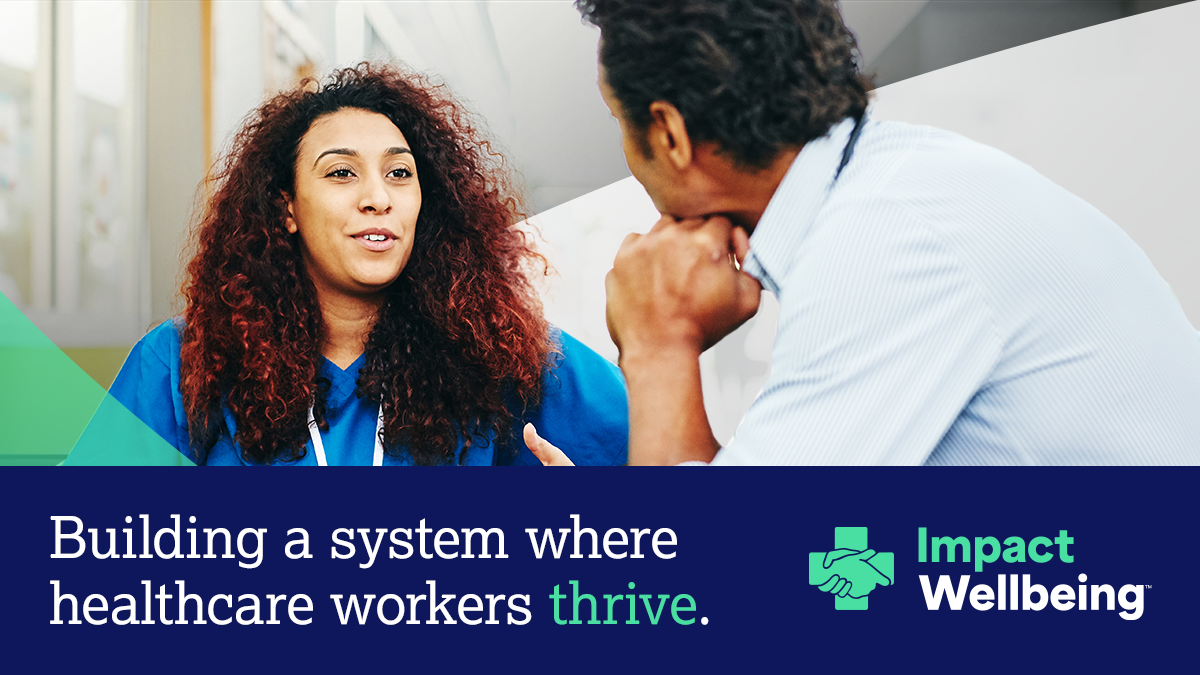
Improving professional wellbeing for all healthcare workers is key to the success of hospitals and healthcare systems.
Safe patient handling and mobility
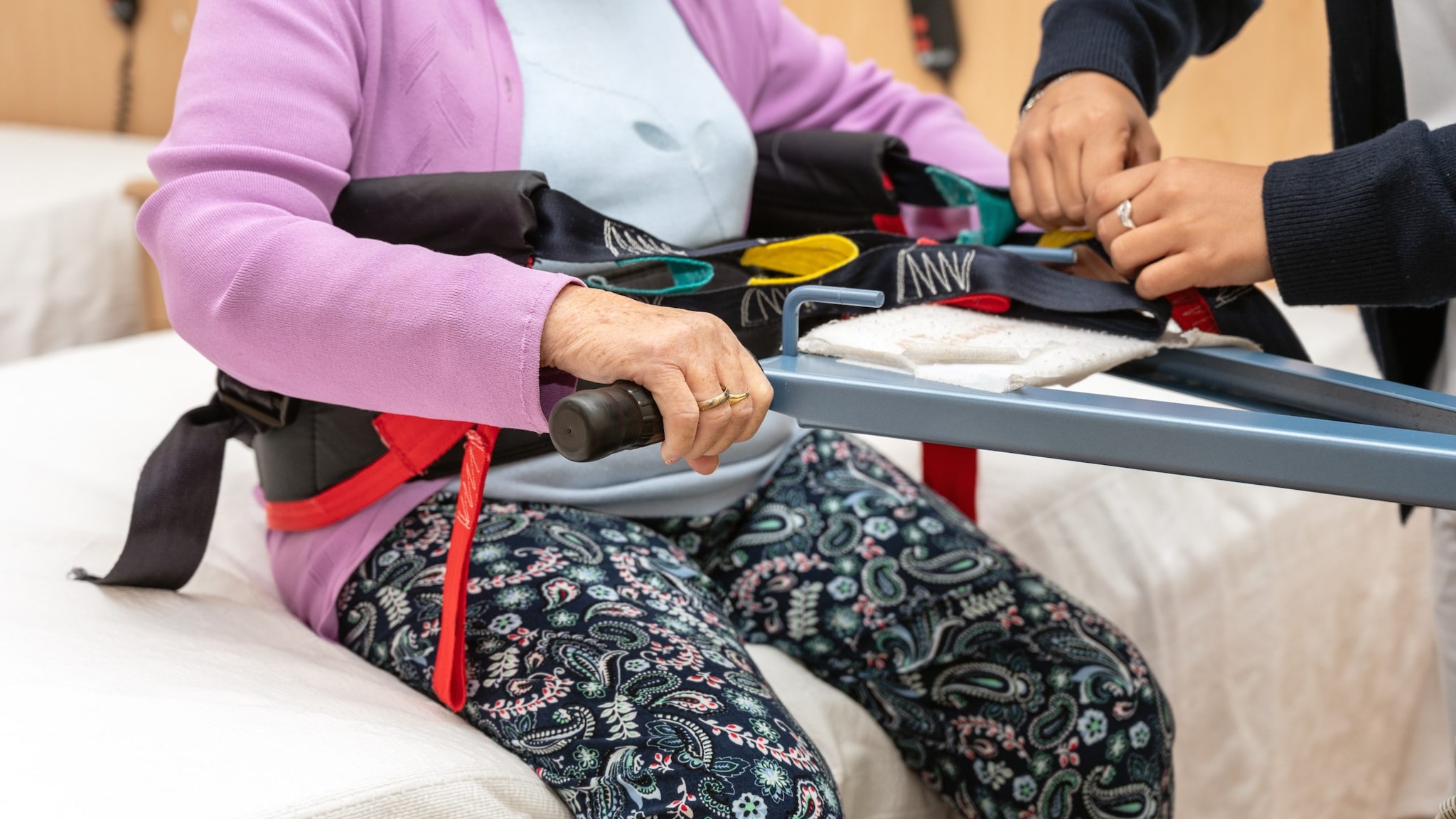
Manually handling and lifting patients can cause injuries and work-related musculoskeletal disorders. Safe patient handling and mobility technology involves using assistive lifting devices to help healthcare workers perform patient handling tasks.
Resources
Healthcare Resources
Training
Safety Culture in Healthcare Settings
This training course provides science and evidence-based information for healthcare workers with a focus on six competencies. The course is designed to increase knowledge about work-related hazards and address organizational and personal strategies to promote a safe and healthy work environment.
NIOSH Training for Nurses on Shift Work and Long Work Hours
The purpose of this online training program is to educate nurses and their managers about the health and safety risks associated with shift work, long work hours, and related workplace fatigue issues and relay strategies in the workplace and in the nurse’s personal life to reduce these risks.
Workplace Violence Prevention Course for Nurses
This free, interactive course is designed to help healthcare workers better understand the scope and nature of violence in the workplace.
This page was last updated on this date. Updates may include minor edits, image changes, or other modifications to page content.
The information on this page was last reviewed by subject matter experts to ensure accuracy.
- NIOSH [2026]. Data and Statistics on Healthcare Workers: 2020 data from the American Community Survey. Cincinnati, OH: US. Department of Health and Human Services, Centers for Disease Control and Prevention, National Institute of Occupational Safety and Health.