



What to know
Chronic pain and chronic pain that frequently limits life or work activities, referred to in this report as high-impact chronic pain, are among the most common reasons adults seek medical care and are associated with decreased quality of life, opioid dependence, and poor mental health.

Get the data story
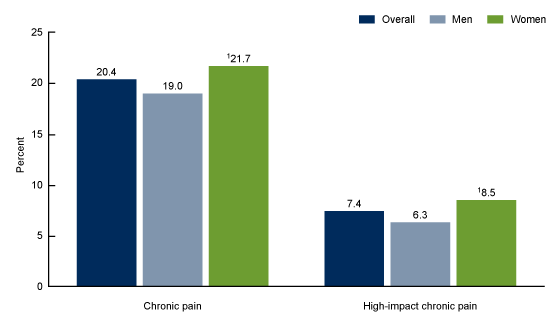
Chronic pain and chronic pain that frequently limits life or work activities, referred to in this report as high-impact chronic pain, are among the most common reasons adults seek medical care and are associated with decreased quality of life, opioid dependence, and poor mental health. This report examines chronic pain and high-impact chronic pain in the past 3 months among U.S. adults aged 18 and over by selected demographic characteristics and urbanization level.
Key Findings:
- In 2019, 20.4% of adults had chronic pain and 7.4% of adults had chronic pain that frequently limited life or work activities (referred to as high impact chronic pain) in the past 3 months.
- Chronic pain and highimpact chronic pain both increased with age and were highest among adults aged 65 and over.
- Non-Hispanic white adults (23.6%) were more likely to have chronic pain compared with non-Hispanic black (19.3%), Hispanic (13.0%), and non-Hispanic Asian (6.8%) adults.
- The percentage of adults with chronic pain and highimpact chronic pain increased as place of residence became more rural.
Content Source:
National Center for Health Statistics