



About
The CDC Mental Health Data Channel uses recent data to tell the story of mental health and well-being in the U.S. This page provides data and resources on U.S. youth and adult feelings of loneliness as well as social connection and support. Data comes from surveys that represent youth and adults at the state and national levels and is available by age, sex, and race and ethnicity for recent years.
What to know
- Loneliness is the feeling of being alone, disconnected, or not close to others.1
- Social connection is the size and diversity of one's social network and roles, the functions these relationships serve, and their positive or negative qualities.2
- The majority of U.S. youth and adults say they always or usually get the social support that they need.
Adult social and emotional support data **
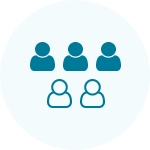
National: Adults receiving social and emotional support
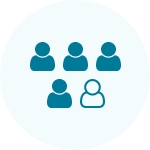
By state: Adults receiving social and emotional support
Adult social activity data **
National: Adults unable to participate in social activities due to health
Why it matters
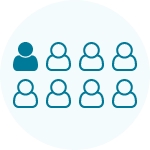
- Social connection is key to well-being and overall life satisfaction.
- Strong social connections can protect both mental and physical health. Social connections can help us live longer, healthier lives and reduce the risk of chronic disease and mental distress.2
- A 2023 Surgeon General’s report highlights growing rates of loneliness and actions we can all take to increase and strengthen connections from youth to older adulthood.
What CDC Is Doing


Explore original data source tools
- Behavioral Risk Factor Surveillance System (BRFSS) Prevalence and Trends Tool displays data on health-related risk behaviors, chronic health conditions, and use of preventive services. Toggle within the State & Territories or the Data by Topic dropdown menus to view these measures.
- National Health Interview Survey (NHIS) interactive dashboard displays data on anxiety, depression, and mental health care. Toggle within the topic dropdown in the tool to view these measures.
- NHIS-Teen interactive dashboard displays data on stressful life events, mental health care, bullying, and social and emotional support. Toggle within the topic dropdown in the tool to view these measures.
Keep Reading
Mental Health Data Sources

Content Source
National Center for Injury Prevention and Control
About This Page
Published: May 7, 2025
Updated: May 27, 2026
This page was last updated on this date. Updates may include minor edits, image changes, or other modifications to page content.
Reviewed: May 27, 2026
The information on this page was last reviewed by subject matter experts to ensure accuracy.
- CDC. (2024). Health Effects of Social Isolation and Loneliness. Retrieved on March 3, 2026 from https://www.cdc.gov/social-connectedness/risk-factors/index.html
- CDC. (2024). Social Connection. Retrieved on March 3, 2025 from https://www.cdc.gov/social-connectedness/about/index.html