



What to know
- Veterinarians play an important role in preventing disease spread where people, animals, and the environment interact.
- These recommendations cover zoonotic diseases and other health risks associated with animals, including infections that can spread through direct contact, vectors, the environment or clinical care settings.
Guidelines and recommendations
Zoonotic Diseases
New World screwworm
Bird flu
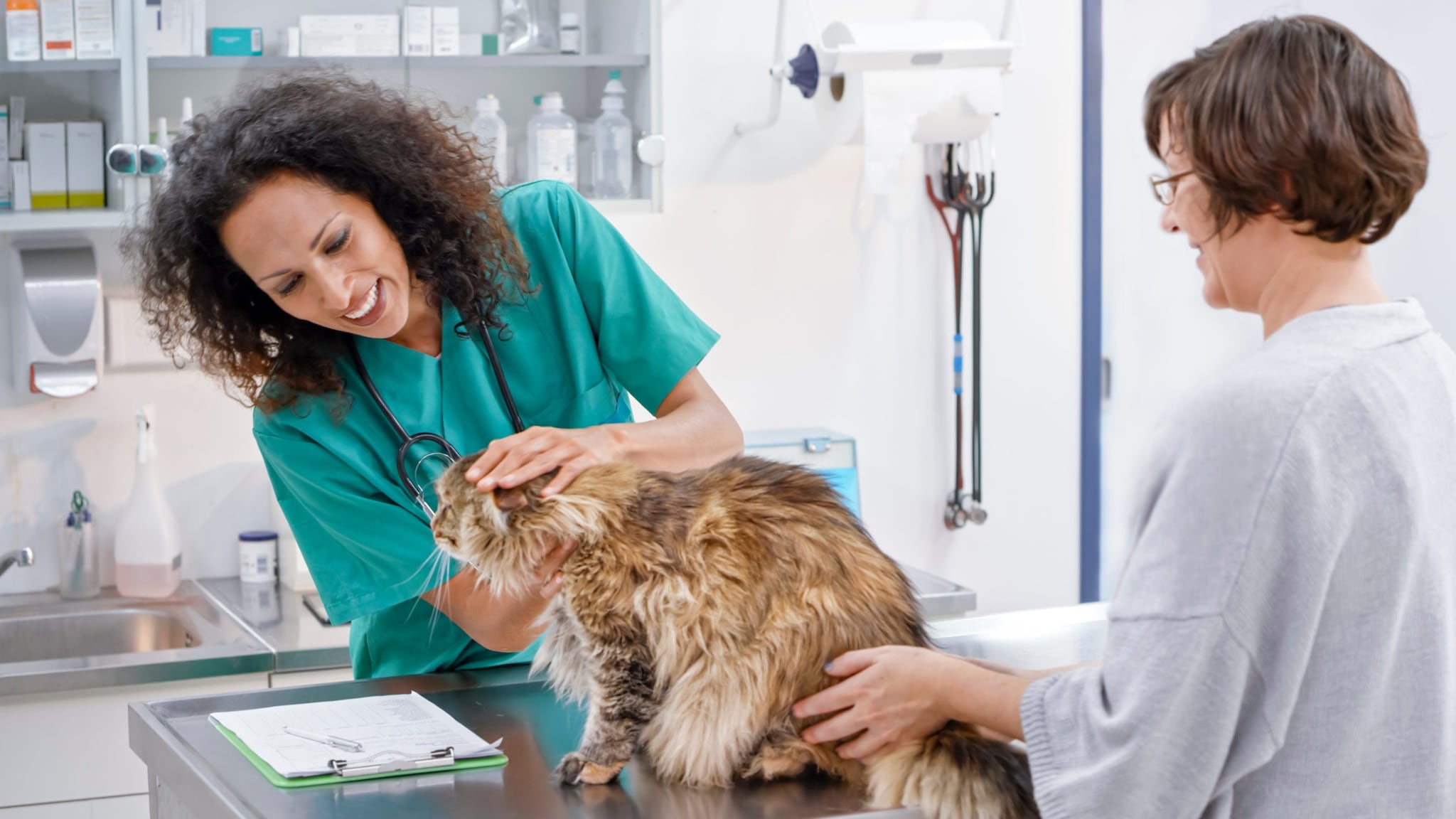
This page provides considerations for veterinarians related to H5N1 bird flu in cats
Facilitate connections and ongoing talks between dairy vets and public/animal health officials.
Rabies
Veterinary-related information to prevent rabies in people and animals.
Antimicrobial Use
Avian Chlamydiosis & Psittacosis
COVID-19
Learn about animals and COVID-19, the risk of animals spreading the SARS-CoV-2 virus, research on an...
Guidance for people with COVID-19 who are in home isolation with household animals, and other preven...
Content Source
National Center for Emerging and Zoonotic Infectious Diseases (NCEZID)
About This Page
Published: May 15, 2024
Updated: September 23, 2026
This page was last updated on this date. Updates may include minor edits, image changes, or other modifications to page content.
Reviewed: September 23, 2026
The information on this page was last reviewed by subject matter experts to ensure accuracy.