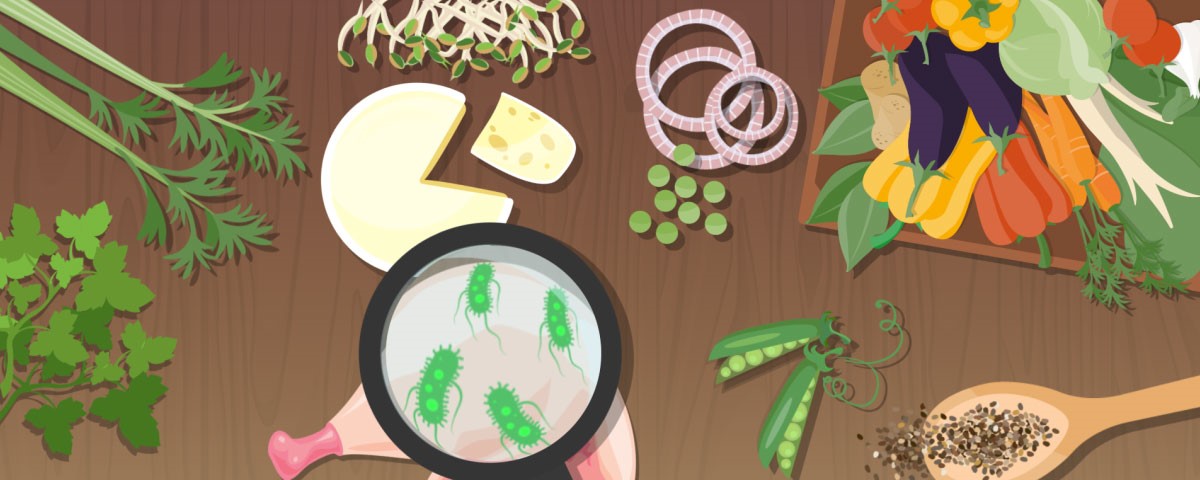
At a glance
- Food can sometimes contain harmful germs, such as Salmonella and norovirus, that can make you sick.
- If you eat food containing germs, you can get a foodborne illness (sometimes called food poisoning).
- Some foods are more likely to contain germs, including raw flour and dough, raw chicken, and raw milk.
- "Food safety" refers to steps you and others can take to prevent foodborne illness.

Overview
Foods can sometimes be contaminated with germs that can make you sick. You may swallow these germs when:
- Eating foods that aren't cooked properly
- Germs from food spread to your hands, surfaces, or other foods (called cross-contamination)
- Food is not refrigerated properly after cooking
There are many different types of foodborne germs that can cause illness, hospitalization, and even death. Some examples include Salmonella, norovirus, and Campylobacter.
Signs and symptoms
Signs and symptoms of food poisoning depend on the type of germ you swallowed. The most common symptoms include diarrhea, stomach pain or cramps, nausea, vomiting, and fever.
Riskier foods
Some foods are more likely to contain harmful germs, including:
- Raw or undercooked poultry, meat, seafood, or eggs
- Raw or undercooked sprouts
- Unwashed fruits and vegetables
- Cut melon
- Unpasteurized milk, juice, cider, or soft cheese
- Raw dough or raw batter made with uncooked flour
People at risk
Anyone can get food poisoning, but certain groups of people are more likely to get very sick from foodborne germs:
- People 65 and older
- Children under 5 years old
- People with weakened immune systems
- Pregnant women
Reducing risk
The best ways to avoid food poisoning include:
- Washing your hands and surfaces often, including rinsing fresh fruits and vegetables.
- Separating riskier foods, like raw meat and eggs, from other foods to avoid cross-contamination.
- Cooking food to the right temperature to kill germs.
- Refrigerating food promptly after cooking and thawing frozen food safely (not on the counter).
- Choosing safer foods, especially if you're more likely to get sick from foodborne germs.
Quick facts
CDC estimates that each year 48 million people get sick from a foodborne illness, 128,000 are hospitalized, and 3,000 die.
What CDC is doing
CDC helps make food safer by working with partners to track and investigate foodborne illness, identify sources of illness, and determine the best ways to prevent foodborne illness.