



Key points
Environmental health practitioners perform many critical functions after emergencies and disasters. For example, they conduct shelter assessments and evaluate public health and healthcare facilities. Explore resources to help you conduct assessments in an emergency context.
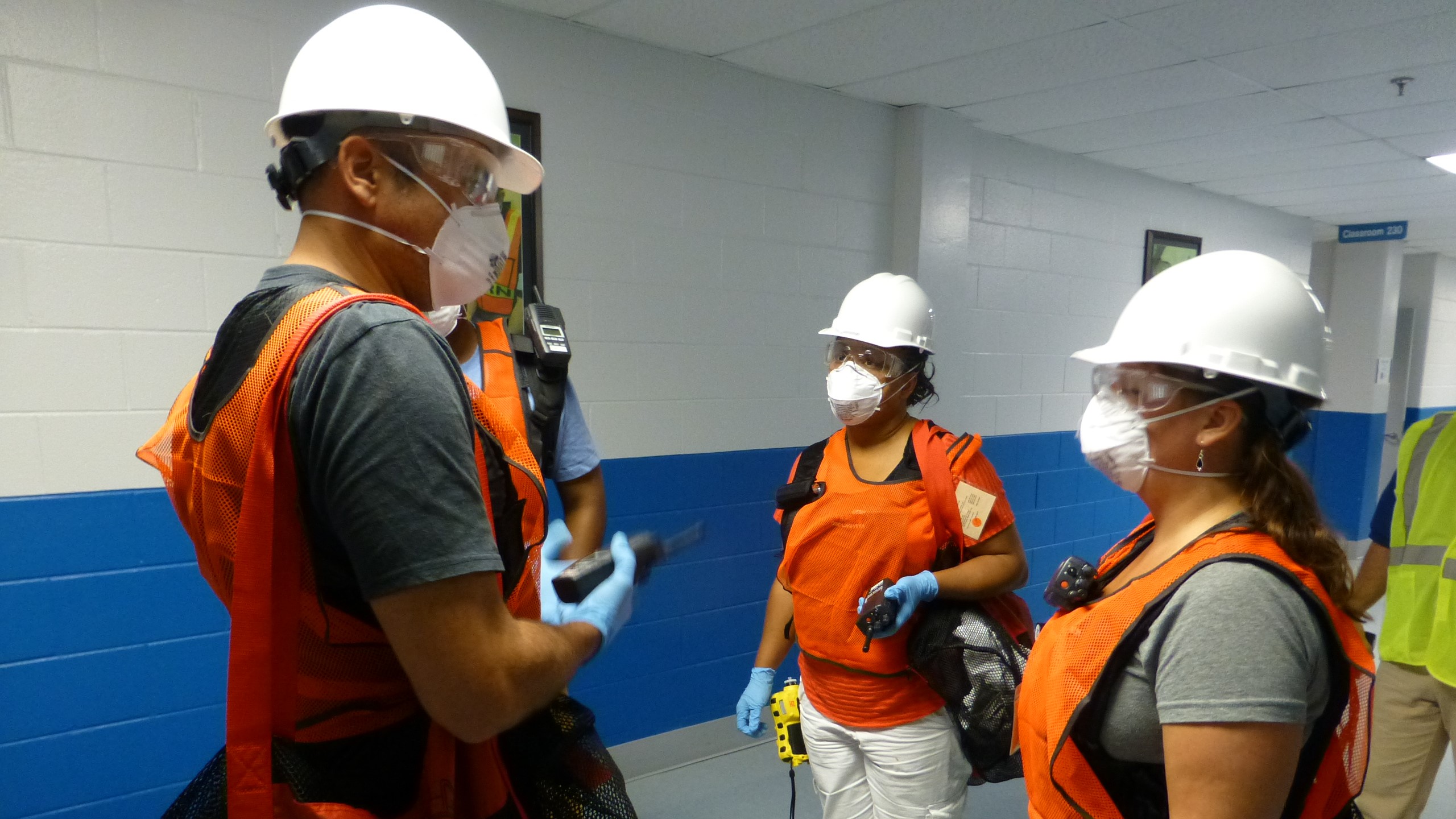
Assessment tools
- Disaster shelters – Assess shelter conditions during emergencies and disasters with CDC's environmental health assessment form.
- Wells affected by wildfire – Assess damage and risk associated with individual wells and water system infrastructure with CDC's rapid assessment form for wells affected by wildfire.
- Outdoor public spaces after floods – Assess and reduce public health risk posed by microbial contamination for reopening outdoor public spaces after flooding.
- Public health and healthcare facilities – Evaluate whether public health and healthcare facilities are prepared for an emergency with the app-based surveys and tools in the comprehensive disaster assessment and readiness toolkit (CDART).
- Household-based information about a community – Collect information via the Community Assessment for Public Health Emergency Response (CASPER) for public health leaders and emergency managers. The CASPER toolkit provides guidelines on data collection tool development, methodology, sample selection, and more.
- Reopening buildings after prolonged shutdown or reduced operation - Ensure the safety of building occupants and building water systems and devices. The guidance helps you check for hazards including Legionella, mold, and lead and copper.
Content Source
National Center for Environmental Health
About This Page
Published: May 15, 2024
Updated: September 6, 2024
This page was last updated on this date. Updates may include minor edits, image changes, or other modifications to page content.
Reviewed: August 26, 2026
The information on this page was last reviewed by subject matter experts to ensure accuracy.