



At a glance
Use this practice to assess vulnerability of lake-side communities to harmful algal blooms (HABs). California organizations partnered to increase community awareness of HAB risk in drinking water and recreational water.
Background
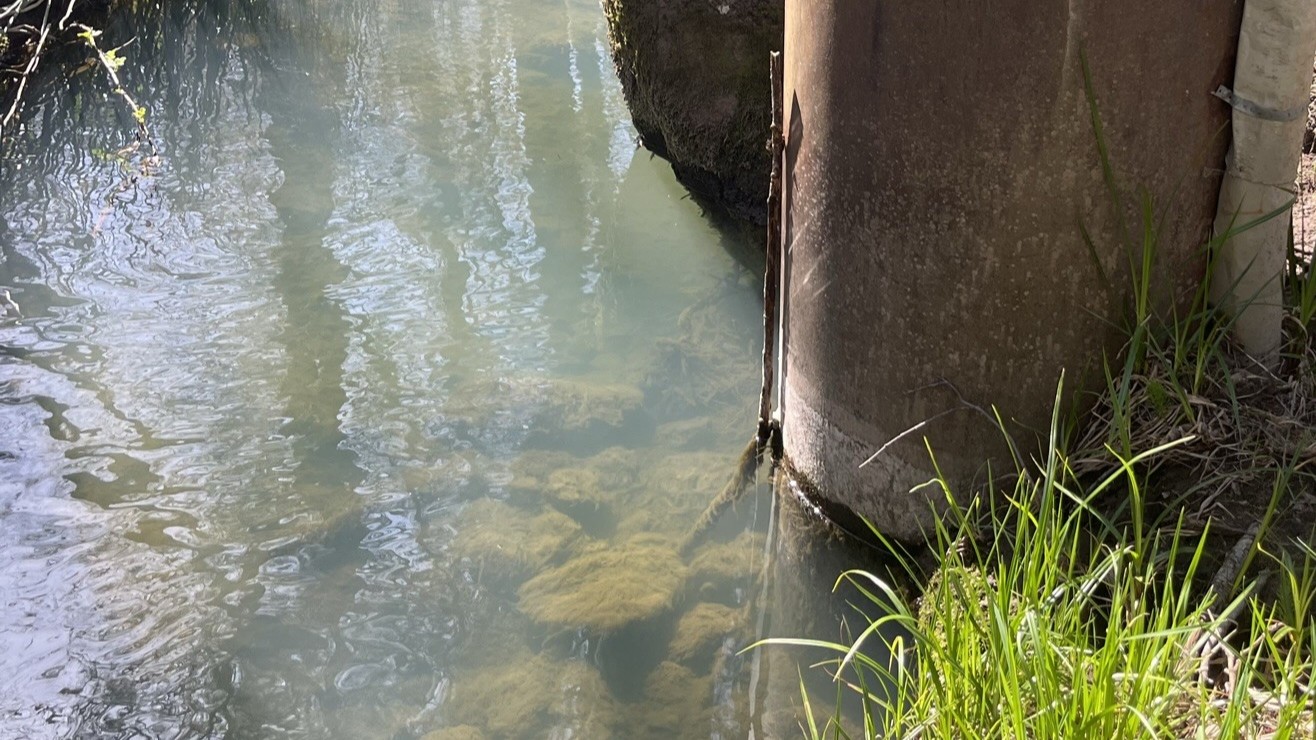
Many households in Lake County, California, rely on self-supplied water systems like private wells or direct lake or creek intakes. Clear Lake, the largest freshwater Lake in California, is both a drinking water source for many residents and a recreation destination for visitors and residents alike. Large HABs present a nearly year-round challenge in Clear Lake and impact self-supplied drinking water systems and recreation sites.
The California Water: Assessment of Toxins for Community Health (Cal-WATCH) initiative is a partnership led by Tracking California that examines environmental exposures in recreational and drinking water and their impact on public health. The initiative aims to understand and address the threat of HAB exposures with Lake County as a focal region.
Key actions
Cal-WATCH implemented a multi-part program to address threats posed by HABs in Lake County. Their program involved the following activities:
- Partnering with other organizations including the Big Valley Band of Pomo Indians; State Water Resources Control Board's Division of Drinking Water; Office of Environmental Health Hazard Assessment; and the California Department of Public Health, Environmental Health Investigations Branch to inform the outreach campaign and connect with the community
- Identifying households not on public water systems around Lake County for water sampling, including private wells, lake intakes, and creek intakes
- Sampling and testing water from households with private wells or direct lake- or creek- intakes for contaminants, including cyanotoxin, nitrates, bacteria, and pesticides
- Communicating results and recommendations to households with contaminants in their drinking water
- Monitoring HABs in recreational water in Lake County
- Increasing awareness of recreational HAB risk through outreach to beach managers, healthcare providers, veterinarians, homeowner associations, and tourism stakeholders
Using this practice
We selected this practice as an example of environmental public health successfully applied in the field. We based our selection on the following four domains:
- Effectiveness: Did it solve or help solve the environmental health problem?
- Feasibility: What conditions and resources are needed to use it?
- Sustainability: Is it realistically able to continue going forward?
- Transferability: Could other health departments use it with little to no changes?
Effectiveness
The partnership was able to identify and sample tap water for homes with direct lake intakes. This helped them show people the health risks of exposure to cyanotoxins. They were also able to demonstrate and describe this work through a publication.
More than 130 households participated in the water testing program. Of these, 59% had one or more findings of cyanotoxins, nitrates, or coliform bacteria in their drinking water.
This project demonstrated that existing treatment systems do not reliably protect households from water contamination. Of the 31 intake households sampled in the first year of the project, 18 had microcystin levels above the Environmental Protection Agency's drinking water Health Advisory level (for children pre-school aged and younger) of 0.3 ug/L, with a maximum of 3.9 ug/L.
The highest concentration of microcystin observed at a recreation site during this same bloom was 160,378 ug/L. The finding that so many homes had high levels led the local health officer to issue an emergency advisory not to drink water from private lake systems. In addition, local authorities set up alternative water filling stations for impacted households. Without test results, local authorities would have been delayed in taking steps to reduce exposures and prevent potential harmful health effects. Interviews with staff and participants found that awareness of HAB-related risks and understanding ways to reduce exposure increased. Participants reported an increased understanding of water risks and described information provided as reassuring and useful. Participants also found value in having staff come out, explain what was done, and take time to answer questions.
Feasibility
Other programs interested in this practice may need the following capacity:
- Ability to use Geographic Information System (GIS) software and public datasets to identify households not served by public water systems and at higher risk of potential contamination
- Technical knowledge of water sampling, for both recreational water and household drinking water
- Supplies and funding for water monitoring and household water testing
- Access to a laboratory capable of performing necessary HAB species and toxin identification (testing costs for HABs and cyanotoxins vary depending on method, number of analytes, sampling complexity, and lab services; per-sample costs may range between $10 to $600)
- Risk communication knowledge to help well owners understand their test results and options to reduce exposure
- Ability to communicate effectively with the public
Sustainability
To maintain this practice, programs may want to consider the following factors:
- Local partnerships to identify HABs when they occur
- Support of the local community
- Dedicated staff time for identifying homes not on public water systems that could be at risk, sampling drinking water, and interpreting results for homeowners
- Dedicated staff time for conducting HAB sampling and interpreting results for implications on recreational use
- Resources for laboratory costs to analyze levels of contaminants in drinking and recreational water
Transferability
Programs interested in this practice should consider the following factors:
- Previous occurrence of HABs in the water body
- Number of potential homes with private wells or lake or creek intakes around the water body
- Routes of exposure and recreational uses of the water body
- Testing costs associated with sampling drinking and recreational water
- GIS capability
- Knowledge of risk communication principles to effectively educate the following audiences:
- Self-supplied water users about their sampling results and remediation options
- Beach managers and local officials about HAB risk in recreational water
- Tribal members who rely on water bodies impacted by HABs for subsistence, ceremonial, cultural, and traditional practices
- Knowledge of the community and relationships with groups who can participate
- Knowledge of hydrology and water systems
Successes and challenges
The initiative formed and built upon many partnerships to protect public health in Lake County and throughout California. Through this practice, they contributed to the following community impacts:
- Held 14 outreach events that reached approximately 250-–300 people
- Collaborated to issue over 100 advisories for HABs around Clear Lake recreation sites
- Collected samples from 55 homes on private wells, 44 homes with direct lake intakes, and 4 homes with creek intakes (60% of samples had 1 or more positive results)
- Five homes reported changing behaviors to improve their water quality
- Reported 181 total HAB-related illnesses throughout California (93 human, 88 animal) during 2018–2024
The initiative faced high costs for some in-home testing of self-supplied water systems and HAB monitoring. Residents also faced barriers to implementing solutions involving costly redesigns of systems or consolidating with public water systems.
Risk communication was also a challenge with monitoring results from creeks, especially when different sampling methods produced different results. In addition, residents often based decisions on visible signs of contamination, such as HABs, rather than less obvious risks.
Connections to Essential Services
Documenting how programs contribute to the Essential Public Health Services may help health departments in the accreditation process with the Public Health Accreditation Board. The activities in this practice support and align with these services:
- Assess and monitor (1)
- Investigate and address hazards (2)
- Educate (3)
- Strengthen communities and partnerships (4)
- Implement policies (5)
- Build public health infrastructure (10)
Resources
Cal-WATCH and partners
- Cal-WATCH project (Tracking California)
- Clear Lake cyanotoxin issues (Big Valley Band of Pomo Indians)
- Hidden water risks: Algal blooms and contaminants found in self-supplied drinking water systems (Tracking California, issue brief)
- Notes from the field: Harmful algal bloom affecting private drinking water intakes — Clear Lake, California, June–November 2021 (journal article)
- Microcystins at the tap: A closer look at unregulated drinking water contaminants (research article)
- Resources for properties with wells and intakes (Tracking California)
CDC and partners
- Detecting and preventing exposure to harmful algal blooms in recreational waters: A quick guide for health departments and operators (National Association of County and City Health Officials)
- Harmful algal bloom communication resources (CDC)
- Harmful algal blooms (HABs) in water bodies (U.S. Environmental Protection Agency)
- Harmful algal blooms: Public health toolkit (CDC)
- Tools (CDC, resources for health departments on private wells)
Citation
In citing this practice in articles, presentations, or elsewhere, we suggest the following citation:
Centers for Disease Control and Prevention. National Center for Environmental Health. Environmental Public Health Practices Gateway. Harmful algal bloom monitoring in recreational and drinking water: A practice from Tracking California, a program of the Public Health Institute. U.S. Department of Health and Human Services, CDC, 2026, https://www.cdc.gov/environmental-health-practice/php/gateway/harmful-algal-bloom-monitoring-in-recreational-and-drinking-water.html.