



At a glance
The National Environmental Public Health Internship Program (NEPHIP) links environmental health undergraduate and graduate students with health departments. Health departments gain high-quality assistance at no cost to their program. Students gain hands-on experience and a stipend.
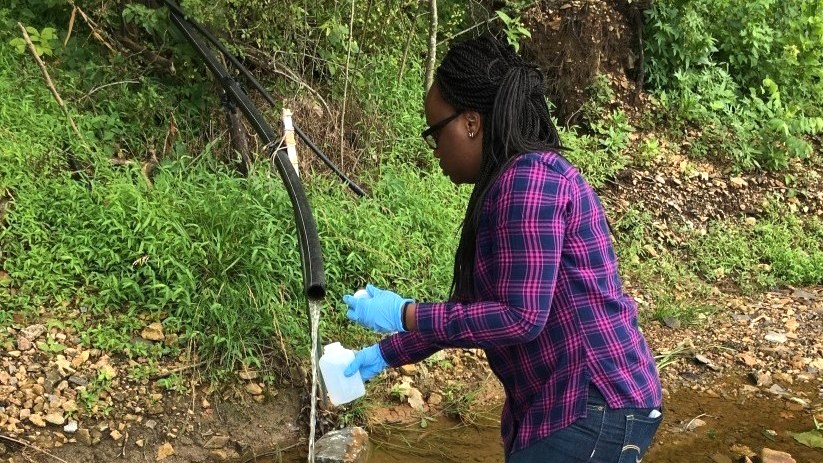
Health departments: Apply for high-quality assistance at no cost
NEPHIP links environmental health undergraduate and graduate students with health departments.
- Interns are from academic programs accredited by the National Environmental Health Science and Protection Accreditation Council.
- In addition, interns receive a stipend at no cost to your department.
- The time commitment is about 400 hours.
NEPHIP is administered through a partnership between CDC and the National Environmental Health Association (NEHA).
Students: Gain hands-on experience and a stipend
- Applicants must be from academic programs accredited by the National Environmental Health Science and Protection Accreditation Council.
- Interns gain first-hand field experience and knowledge of frontline environmental health programs, along with a stipend.
- The time commitment is about 400 hours (or about 10 weeks).
Interns help health departments on a range of environmental health topics
Since 2015, NEPHIP has supported more than 300 internships for environmental health students hosted by health departments around the country. Previous NEPHIP interns worked across a range of environmental health programs, including the following:
- Food safety and protection
- Onsite wastewater (septic systems)
- Public swimming pools
- Rabies prevention
- Private or onsite drinking water
Interns completed many different types of activities during their 10-week internship, including the following:
- Performing inspections
- Educating the public
- Maintaining databases or electronic information systems
- Engaging in partnerships with the community or other stakeholders
- Responding to complaints

Former NEPHIP intern Kyle said,
NEPHIP creates career pathways for the next generation
NEPHIP helps establish pipelines by encouraging environmental health students to consider careers at local, state, or tribal environmental health departments after graduation.
With 1 in 4 environmental health professionals in health departments planning to retire in the next 5 years, creating a path for the next generation is critical. In a survey of former NEPHIP interns, 4 out of 5 said they were more likely to pursue a career in environmental health after participating.
More information
Learn more about NEPHIP, and apply online.
Read our article about NEPHIP intern experiences (article starts on page 20).
Learn about our UNCOVER EH initiative to assess the current state and future trends in environmental health.
Learn more about the Environmental Health Science and Protection Accreditation Council.
This page was last updated on this date. Updates may include minor edits, image changes, or other modifications to page content.
The information on this page was last reviewed by subject matter experts to ensure accuracy.