



At a glance
Use this practice to share data, increase awareness, and protect the public from tickborne diseases. Kansas analyzed tickborne disease data, mapped the geographic distribution of ticks across the state, and developed public-facing story maps on risks and prevention.
Background
People in Kansas are at risk of several tickborne diseases, primarily ehrlichiosis, tularemia, spotted fever rickettsioses, and alpha-gal syndrome. The primary vectors of these diseases are lone star ticks and Gulf Coast ticks, which are primarily found in eastern Kansas. The American dog tick is widely found throughout the state.
The data show that Kansas' incidence rates for some of these diseases are higher than national levels and that hospitalization for people with these diagnoses is greater than 50%. While much less of a threat locally, Lyme disease is also a major concern for Kansans. The vector, the blacklegged or deer tick, is present in the eastern third of the state; however, most cases in Kansas residents are associated with travel. Medical professionals are required to report these diseases to the Kansas Department of Health and Environment.
As prevention methods for tickborne diseases are generally effective, increased promotion of these methods can help protect public health.
Key actions
The Kansas Department of Health and Environment created a series of interactive digital maps, data stories, and dashboards to help increase public awareness about tickborne diseases, tick distribution, and tick bite prevention. Users can search for the geographic distribution of ticks, read about the signs and symptoms of tickborne diseases, and learn when to go to the doctor. The data stories also include information on the number of tickborne disease cases by year, age, and sex.
The department completed the following activities:
- Partnered with programs with expertise and access to the disease surveillance system and the Kansas Environmental Public Health Tracking Program to publicly share data
- Reviewed and analyzed human tickborne disease data from the state's surveillance system and calculated annual counts of confirmed and probable cases at the state and county level
- Developed county-level maps showing the geographic distribution of tick species known to transmit featured diseases (updated annually)
- Created interactive tickborne disease data stories with narrative information, images, and maps to inform the public of actions they can take to reduce their risk and improve health outcomes in case of tick exposure
Using this practice
We selected this practice as an example of environmental public health practice successfully applied in the field. We based our selection on these four domains:
- Effectiveness: Did it solve or help solve the environmental health problem?
- Feasibility: What conditions and resources are needed to use it?
- Sustainability: Is it realistically able to continue going forward?
- Transferability: Could other health departments use it with little to no changes?
Others interested in applying this practice can consider these factors and this health department's experience.
Effectiveness
This practice has moved the health department from a fragmented tickborne disease surveillance system toward a more integrated, data-driven, and publicly accessible environmental health system. Their approach integrates surveillance for human disease and ticks, improving data quality, expanding surveillance coverage, and strengthening interagency collaboration. It has also increased the availability and usability of tick and tickborne disease information for both public health professionals and the public.
The health department promoted tickborne disease data and prevention messaging through multiple communication channels, including conference presentations, newsletters, webinars, and social media. Public-facing resources, such as training videos and data explorer tutorials, were developed to improve usability and data literacy. The team tracked webpage analytics that showed measurable engagement with data indicators and datasets, suggesting that the intended audience is accessing and using the information.
Feasibility
To use this practice, other health departments may need the following capacity:
- Availability of information technology licenses and expertise, such as for ArcGIS and office software
- Ability to partner with other health department units, including those addressing infectious disease, vector-borne disease, and state public health tracking programs, to access, analyze, and publish the data
- A program that provides the website, data portal, software, and informational technology support to publicly display the tickborne disease data and tick surveillance data.
The health department spent two years developing the first dataset for public display. Staff time was in-kind, and there was public interest in the development of this project. State partners shared tickborne disease and surveillance data through presentations at regional public health meetings, webinars for local health departments, presentations at statewide and national partner events, and social media campaigns.
Sustainability
Public and leadership interest in tickborne diseases helped the program expand to include active and passive tick surveillance data, as well as pathogen testing of ticks. In-kind support from participating programs also helped sustain the practice.
Transferability
Other programs interested in this practice may want to consider these factors.
Data
- While many tick-borne diseases are reportable, multiple factors (like availability of diagnostic facilities, control measures in effect, and methods for public health surveillance) can affect data completeness. These factors differ across jurisdictions.
- Standards for required data elements may differ for environmental health and infectious disease surveillance. Programs may want to reconcile these before starting this practice.
Technology access
Geospatial technology software (such as ArcGIS) is routinely used in public health practice. However, health departments often have limited licenses for this software or have constraints updating the website where the data will be presented.
Health departments may want to consider these scenarios early in the practice planning phase.
Collaboration
The keys to success for this practice were using the surveillance program's technical expertise and data skills and partnering with the tracking program to make the data publicly available.
Successes and challenges
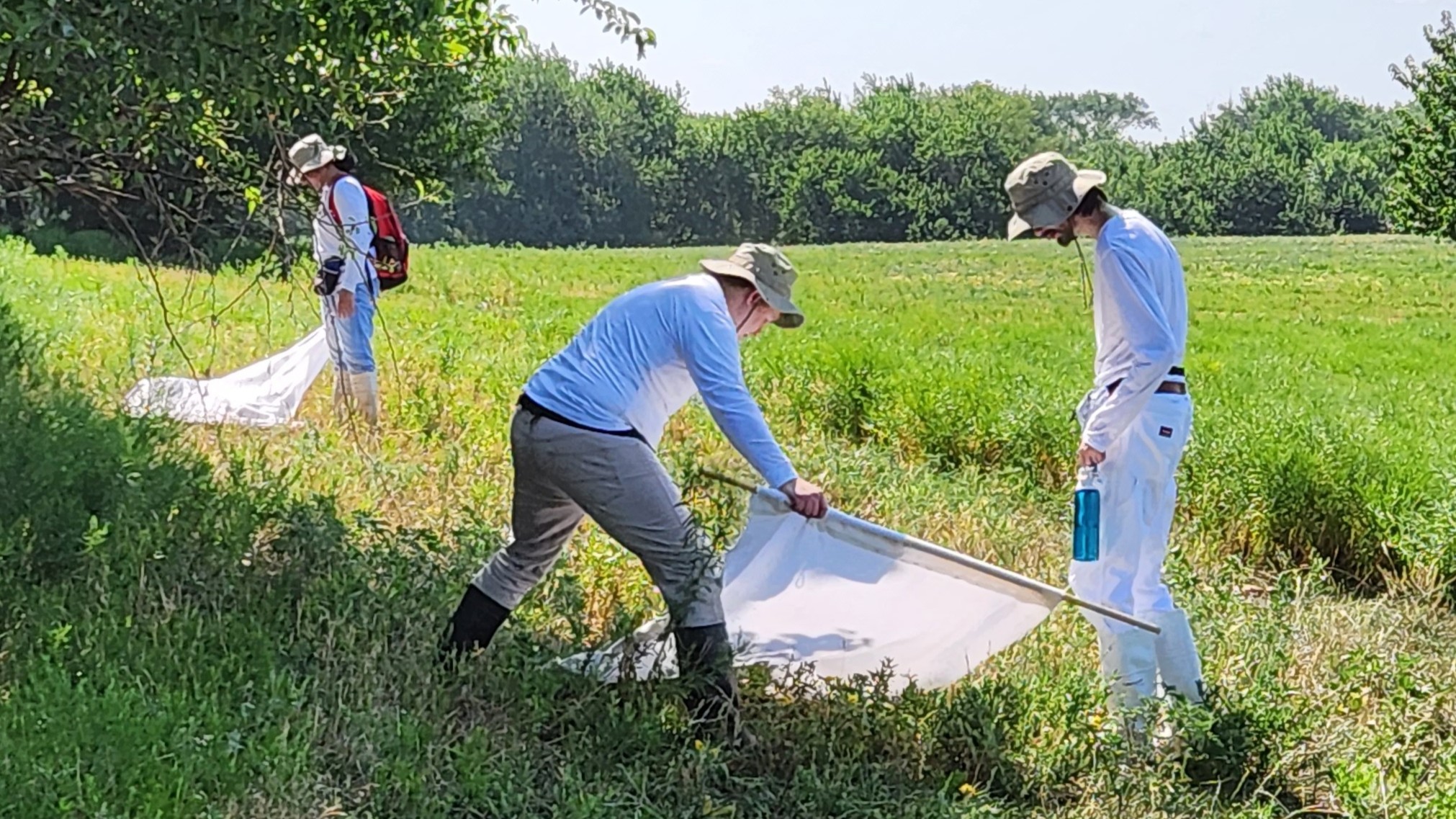
- The health department contracted with an associate research professor and entomologist at the University of Kansas to develop a report with identification keys and distribution atlas of ticks in the state. The report was used to create the maps in the interactive data story.
- Health department programs involved in this practice are interested in and would benefit from acquiring tick and other animal data from university sources. However, funding and staffing resources hindered a sustainable data-sharing process.
- Project funding coincided with the COVID-19 pandemic, which created extreme staff shortages that delayed the project.
- Staff time was voluntary and a limiting factor due to competing priorities and constraints.
Connections to Essential Services
Documenting how programs contribute to the Essential Public Health Services may help health departments in the accreditation process with the Public Health Accreditation Board. The activities in this practice support and align with these services:
- Investigate and address hazards (2)
- Educate (3)
Resources
Kansas Department of Health and Environment
- Kansas Environmental Public Health Tracking program
- Increased activity of vector-borne diseases identified in Kansas (news page)
- Tickborne disease in Kansas (data stories and maps)
CDC
Citation
If citing this practice in articles, presentations, or elsewhere, we suggest the following citation style:
Centers for Disease Control and Prevention. National Center for Environmental Health. Environmental Public Health Practices Gateway. Data stories and mapping tickborne diseases: A practice from Kansas Department of Health and Environment. U.S. Department of Health and Human Services, CDC, 2026, https://www.cdc.gov/environmental-health-practice/php/gateway/data-stories-and-mapping-tickborne-diseases.html.