



Key points
- Cystic fibrosis (CF) is a genetic disorder that causes problems with breathing and digestion.
- Women who are pregnant or planning a pregnancy can have screening to see if they could have a child with CF.
- Newborn screening includes checking babies born in the U.S. for CF soon after birth.
- Available treatments can improve health outcomes for people with CF.
What it is
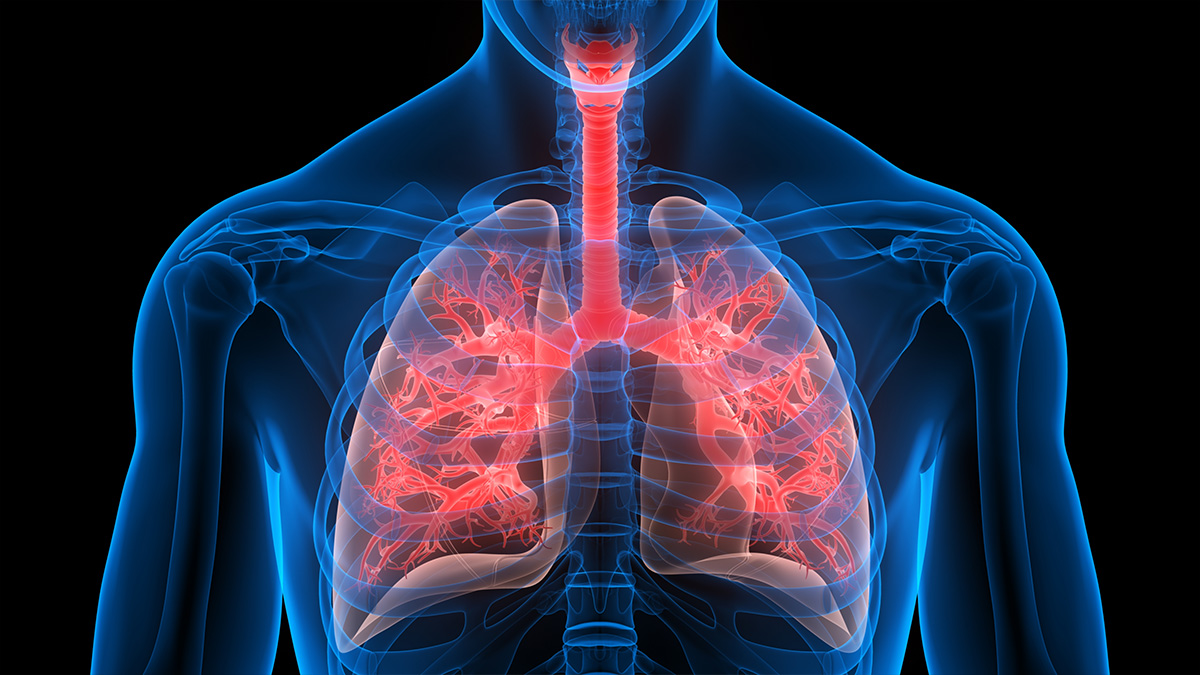
Cystic fibrosis (CF) is a genetic disorder that causes problems with breathing and digestion. CF affects almost 40,000 people in the United States. More than 60% of people living with CF are adults. People with CF have mucus that is too thick and sticky, which
- blocks airways and leads to lung damage;
- traps germs and makes infections more likely; and
- prevents proteins needed for digestion from reaching the intestines, which decreases the body's ability to absorb nutrients from food.
CF affects many organs in the body, making people with the disease more likely to develop other health conditions including
- Diabetes
- Cirrhosis (liver disease)
- Arthritis
- Reflux
- Hypersplenism (overactive spleen)
- Osteoporosis
- Depression
- Anxiety.
Signs and symptoms
Signs of CF include
- salty-tasting skin
- cough that doesn't go away, often with thick mucus or blood
- wheezing or shortness of breath
- frequent lung or sinus infections
- nasal polyps (growths in the nose)
- poor growth or weight gain in childhood
- greasy, bad-smelling stools or constipation
- male infertility
Talk to your healthcare provider if you or your child shows signs of CF. Your healthcare provider might refer you or your child for a sweat test or genetic testing. If you or your child has CF, you can find a CF Care Center near you.
Causes
CF results from genetic changes (mutations) in the Cystic Fibrosis Transmembrane Conductance Regulator (CFTR) gene. The CFTR gene has instructions for making the CFTR protein. Everyone has two copies of the CFTR gene, one copy inherited from their mother and one from their father. A person must have genetic changes in both copies of the CFTR gene to have CF. Parents who both have a genetic change in only one copy of the CFTR gene will not have CF. But, together they can have a child with CF.
Screening
Carrier screening
The American College of Obstetricians and Gynecologists recommends offering carrier screening to women considering pregnancy or currently pregnant. Carrier screening is for certain genetic disorders, including CF.
This carrier screening does not include all possible CF genetic changes. If you have a family history of CF and decide to get screened, talk to your healthcare provider. Make sure that your test includes the genetic change that runs in your family. Your healthcare provider might refer you for genetic counseling and testing.
Newborn screening
Newborn screening in the United States includes checking all babies for CF soon after birth. Finding babies with CF early is important so that they can start treatment right away. This can help delay or prevent complications of the disorder. Some people with CF show signs of the disorder soon after birth. In milder cases, people might not show signs until adulthood.
States use different methods to screen newborns for CF and don't screen for all CF-related mutations. Screening might miss some babies with CF.
Treatment
Available treatments can help people with CF live longer, healthier lives. Because their disease is complex, most people with CF receive care from a clinical team that includes different specialists working together.
Treatments for CF focus on improving breathing and digestion, preventing and treating infections, and thinning mucus. Treatments include medicines, therapy to clear mucus out of the lungs, and in some cases, lung transplant. Care also involves screening for other conditions, including mental health conditions. Treatment for other conditions can require coordinating care with other specialists.
Pharmacogenomic approaches have led to the development of medicines that target the underlying cause of CF. Different CFTR genetic changes have different effects on the CFTR protein. These medicines help restore the function of the CFTR protein in different ways. These medicines only help people with certain CFTR genetic changes.
This page was last updated on this date. Updates may include minor edits, image changes, or other modifications to page content.
The information on this page was last reviewed by subject matter experts to ensure accuracy.