



At a glance
Each region of the United States experiences climate change and its impacts on health differently. Read about success stories in the U.S. Caribbean.
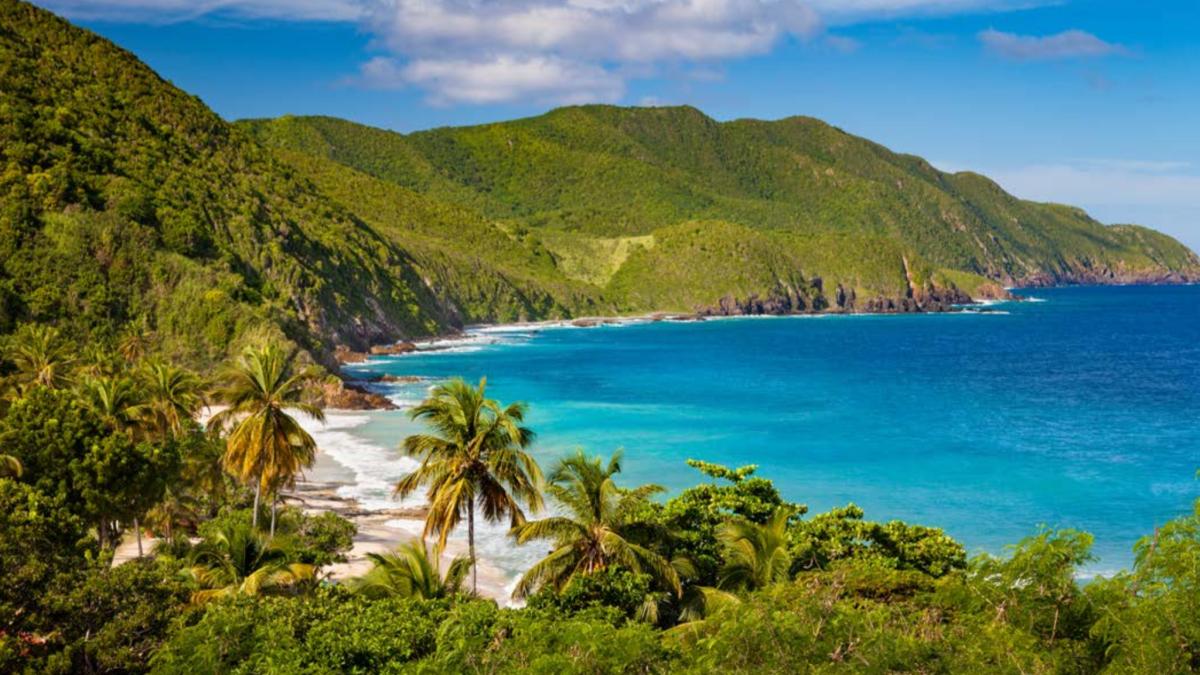
University of the Virgin Islands, U.S. Virgin Islands
The U.S. Virgin Islands are projected to lose 4.6% of their total coastal land area due to rising sea levels. These losses could negatively impact drinking water supplies, sewage systems, and historical infrastructure. In 2017, the University of the Virgin Islands received a mini-grant from CDC via the Association of State and Territorial Health Officials (ASTHO) to strengthen their community resilience. Through informal community focus groups and surveys, this project captured community-level knowledge and perceptions of climate change and water safety. Families residing in communities with lower incomes in St. Thomas, St. John, and St Croix were invited to participate in educational focus groups wherein they discussed climate change, food and water safety, as well as extreme weather. Participants were then surveyed to assess their knowledge and perceptions of those topics leading to a better understanding of where future education should be offered. These new climate actions will help communities better adapt to rising sea levels, which can protect water quality and infrastructure.
This page was last updated on this date. Updates may include minor edits, image changes, or other modifications to page content.
The information on this page was last reviewed by subject matter experts to ensure accuracy.