



Purpose
An individual emergency kit is essential for preparedness. Tailor it to your daily needs by including items you use every day or week. Keep it updated, complete, and accessible, checking for expiration dates and functionality every six months.
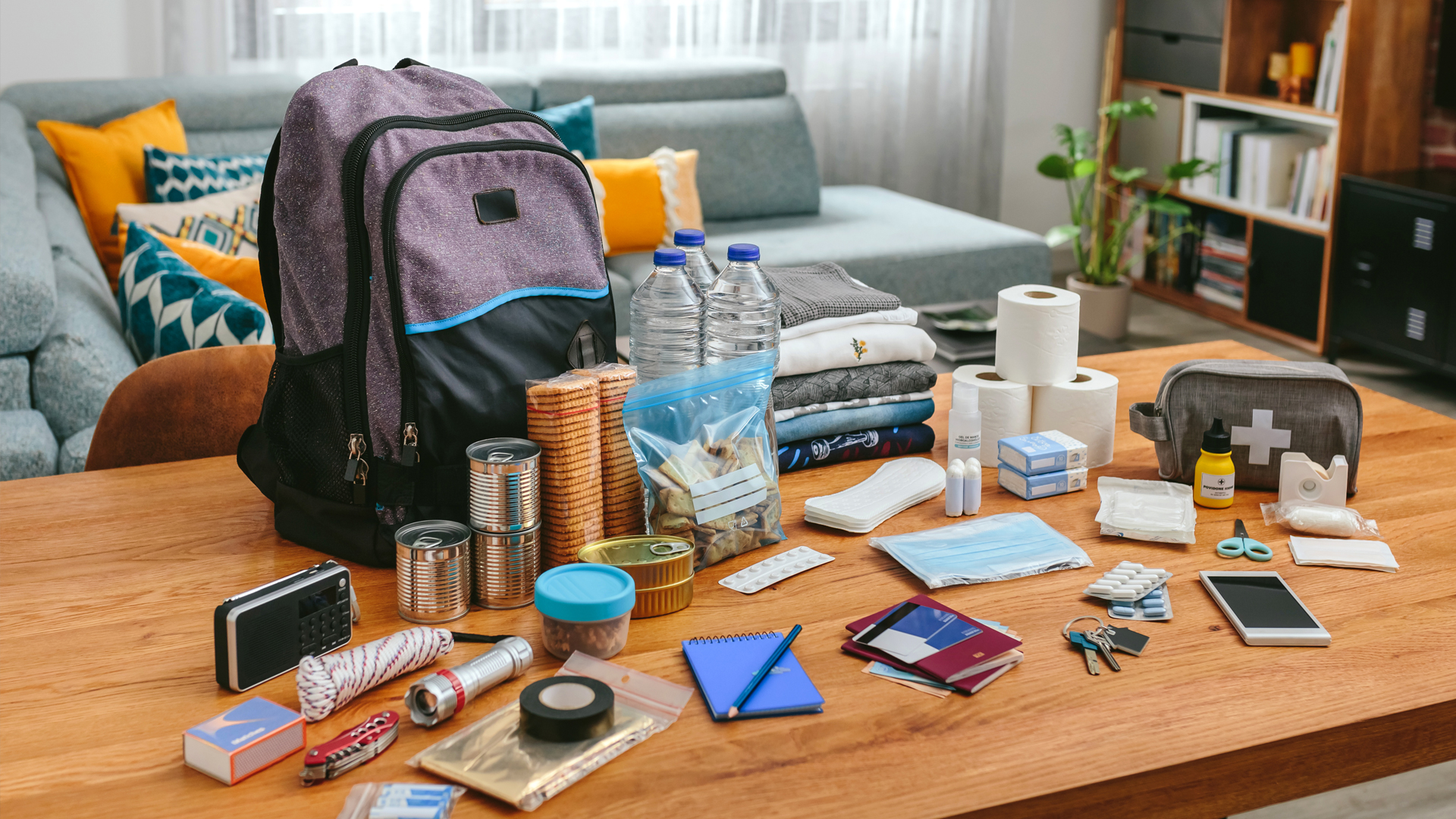
Essential Items:
- First aid kit
- Flashlight
- Battery-powered or hand crank radio
- Extra batteries, portable charger, cell phone with chargers
- Emergency cash, traveler's checks
- Extra set of car and house keys
- Bug spray and sunscreen
- Soap, paper towels, hand sanitizer, wipes to clean surfaces and kill germs
- Face mask (to help filter dirty air)
- Whistle (to signal for help)
- List of medical, pharmacy, mental health, family and emergency contact names and phone numbers, personal identification, copies of important documents in waterproof and/or fireproof, portable container
- Prescription medications (at least 2 weeks supply), prescription eyewear, medical items
- Sleeping bag or warm blanket for everyone in your family
- Change of clothes appropriate for the weather in the area
- Sturdy shoes for each person in the house
- Items for cooking and eating (such as paper plates, disposable cups)
- Food (at least a several-day supply of long-lasting food such as dried fruit, protein or fruit bars, canned food, manual can opener)
- Water (at least one gallon per person per day for several days, for drinking, cooking, cleaning, and other uses). Consider storing more water than this if you are pregnant or lactating
- Supplies for your pet for several days
- Wrench or pliers (to turn off utilities like gas or water)
- Scissors, plastic sheeting, and duct tape (to shelter in place)
- Zip ties, toilet paper, moist towelettes, and garbage bags (for keeping yourself/things clean)
- Matches in a waterproof container or re-sealable plastic bag, small camp stove to boil water to disinfect and make safer to use
- Local maps and or download local maps on your cell phone (if you need to evacuate and have no power or access to internet)
If pregnant add:
- Nutritious snacks such as protein bars, dried fruit and granola
- Maternity clothes
- Baby clothes
- Prenatal vitamins and other medications
- Extra water (e.g., bottled, box, canned)
- Emergency birth supplies (e.g., clean towels, clean sharp scissors, nasal suction bulb, medical gloves, two clean white shoelaces (for tying umbilical cord), clean sheets, sanitary pads, soap/alcohol/sanitizer, garbage bags)*
- Emergency blankets
- Feminine hygiene products (e.g., sanitary napkins, incontinence pads)
- Plan you made with your health care provider for where you will get prenatal care or deliver your baby if your provider's office or hospital is closed.
- Personal identification and current family identification photos (including a photo of all members of the family together). This can also be shared with your out-of-area contact(s). Photos can help with family reunification should family members become separated.
For an infant (0-12 months), add...
- Copy of vaccination records
- Medications (e.g., infant pain reliever)
- Thermometer
- Antibacterial wipes/sanitizer
- Portable crib
- Baby blankets
- Extra baby clothes
- Diapers, wipes, and diaper rash cream
- Bottles/nipples and powdered or ready-to-feed formula (just in case breast milk supply is impacted), breast milk (small cooler for breast milk), and /or infant food
- Battery operated or manual breast pump
- Cleaning basin, brush, and dish soap
- Electrolytes
- Disposable nursing pads
- Baby carrier
- Teething rings, pacifiers
- Disposable feeding items (e.g., bibs, burp clothes, spoons, plates, and cups
For a young child (1-5 years), add...
- Nutritious snacks
- Age-appropriate water bottle
- Transportable activities (e.g., colored pencils, coloring book, crafts)
- Extra clothes and shoes
- Play yard or playpen
- Potty training supplies (e.g., pull-ups)
- Disposable feeding items (e.g., spoons, plates, and cups)
- Simple ID tags: create a durable emergency contact/ID tag that can be attached to your child's clothing or backpack
- Wearable identification: consider using a wristband or bracelet with your child's name and your contact information
- Help older children memorize important names and phone numbers (parents, other trusted adult)
Content Source:
Office of Readiness and Response