



At a glance
As of September 16, 2025
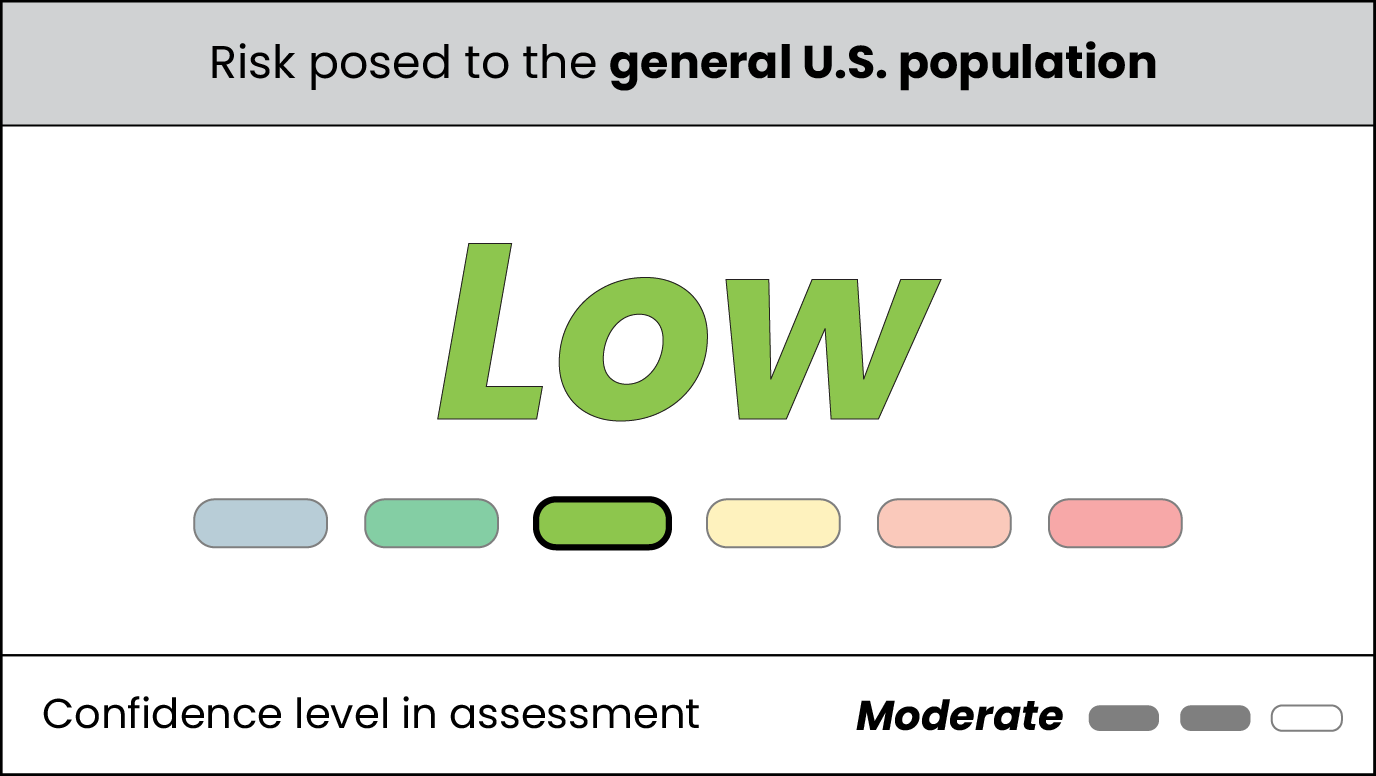
CDC assessed the risk posed by the Ebola virus disease (EVD) outbreak in the Democratic Republic of the Congo (DRC), caused by the Ebola virus (species Orthoebolavirus zairense), to the United States general population over the next three months. The risk to the general U.S. population is low, with moderate confidence.
The purpose of this assessment is to inform U.S. preparedness efforts. The assessment relied on subject-matter experts evaluating a range of evidence related to risk, including epidemiologic data from the outbreak and historical data on EVD epidemiology and clinical severity. We continue to monitor the situation and will update this risk assessment if new information warrants changes.
Risk assessment for the general population in the US

Likelihood
The likelihood of Ebola virus infection for the general U.S. population is extremely low. Factors that informed our assessment of likelihood include the following:
- As of September 14, the outbreak is relatively small, with 54 confirmed and suspected cases and 27 deaths, all located within Kasai Province of the DRC, and all confirmed cases within Bulape Health Zone:
- The first identified case was a pregnant woman who was admitted to a hospital on August 20, who died on August 25. Three healthcare workers who treated this patient also became ill and died.
- Contact tracing efforts are under way, and case counts may change as the field team continues investigating.
- Health authorities are deploying resources to the Kasai province that are likely to help lower the chance of additional transmission:
- WHO has delivered two metric tonnes of supplies—including personal protective equipment, mobile laboratory equipment, and medical supplies—to the affected area.
- The country has a stockpile of 2,000 doses of the Ervebo Ebola vaccine, effective to protect against transmission of this type of Ebola, stored in the capital of the DRC that will be moved to the affected area to vaccinate contacts and frontline health workers.
- The DRC has extensive experience responding to Ebola outbreaks, and CDC has collaborated with the DRC to successfully build capacity to respond to viral hemorrhagic fevers, including past Ebola outbreaks.
- The Bulape Health Zone, within which all confirmed cases and deaths have been reported, is remote, with limited transportation networks. This may lower the risk of the outbreak spreading to other areas, but also makes it challenging for responders to reach due to impassable roads and natural barriers.
- There are no known cases of EVD in the United States. However, there remains a risk of potential spread from the DRC to the United States via travelers from the DRC who may be infected.
- Broader spread of EVD within the DRC and neighboring countries would increase the risk of importation to the United States. The daily number of passengers entering the United States whose flights originate in the DRC is low. There are no direct commercial flights from the DRC to the United States.
- If Ebola virus were introduced to the United States through a traveler, we believe there is a low, but not zero, risk of limited secondary transmission among individuals with high-risk exposures to the index case.
- The United States has a high capacity for implementing case identification, isolation, contact tracing, and infection prevention and control measures that are likely to stop an outbreak before it grows significantly. Although symptoms can appear suddenly and may be non-specific, these measures are likely to be mostly effective in part because the average interval between subsequent cases is long (10-16 days), and transmission is unlikely to occur before symptoms appear.
- Only 11 persons infected with Ebola virus have ever been treated in the United States; all cases were associated with the large 2014–2016 Ebola outbreak in West Africa. Nine cases were imported; one imported case resulted in secondary transmission of Ebola virus to two persons in the United States. Of the 11 Ebola- virus-infected persons treated in the United States, two died. Despite the two instances of secondary transmission, there was no community spread in the United States.
Impact
The impact of infection for the general U.S. population would be high. Factors that informed the assessment of impact included the following:
- EVD is a serious, deadly disease. Without treatment, up to 90% of Ebola virus disease cases are fatal. In the two most recent Ebola outbreaks within this region of the DRC in 2007 and 2008, the case fatality rate was 71% and 47% respectively. However, many patients who died in past outbreaks were in locations without access to the level of care available in U.S. intensive care units.
- People in the United States do not have immunity to Ebola virus. However, there are two monoclonal antibody treatments that are effective and have been used in previous outbreaks. Beyond this, treatment is limited to supportive care.
- Even very limited Ebola virus spread in the United States could cause significant panic and fear among the public, and disruption to normal societal activities. In addition to the lives directly affected, Ebola virus spread would require significant public health resources, risk communication, and community engagement. Containment requires extensive contact tracing activities, long quarantine for persons with high-risk exposures (up to 21 days), and stringent barrier protection measures for healthcare workers and laboratory personnel.
Confidence
We have moderate confidence in this assessment.
We note some uncertainty in the implications for the United States of the EVD outbreak in the DRC, as the conditions of the current outbreak are still emerging.
Factors that could change our assessment
We continue to monitor for additional factors that could change our risk assessment, including:
- Detection of EVD cases in the United States
- The outbreak in the DRC spreading to more urban areas within the DRC that are more internationally connected, raising the likelihood of imported cases in the United States
- Any evidence suggesting increased transmissibility compared to past outbreaks
- Any evidence of changed clinical severity compared to past outbreaks
- Successful clinical trials for additional treatments
Background
On September 1, 2025, CDC received reports from in-country sources regarding suspect cases of viral hemorrhagic fever from the Bulape Health Zone (HZ) and the Mweka HZ in the Kasai Province of the DRC. On September 3, the National Institute for Biomedical Research (INRB) in Kinshasha confirmed the virus was Ebola Zaire virus (Orthoebolavirus zairense). Genomic sequencing of this strain of Ebola virus found it to be genetically distinct from the strains of virus causing EVD outbreaks in the region in 2007 and 2008, suggesting that this outbreak was caused by a new zoonotic spillover event.
The index case was a pregnant woman who was admitted to Bulape General Reference Hospital on August 20, 2025, with symptoms including high fever, bloody diarrhea, hemorrhaging, vomiting, and weakness. The patient passed away from multi-organ failure on August 25. Two healthcare providers treating this patient also became ill and died.
This is the sixteenth Ebola virus outbreak that the DRC has experienced, with the most recent occurring in North Kivu Province in 2022. Several outbreaks have occurred within Kasai province specifically. An outbreak of Ebola virus (32 cases, 15 deaths, case fatality ratio = 47%) was previously reported in November 2008 in the Kasai province. Another outbreak of Ebola virus (264 cases, 187 deaths, case fatality ratio = 71%) caused by the Orthoebolavirus zairense species was reported in September 2007 in the same location.
Ebola virus (species Orthoebolavirus zairense) is a virus that causes severe viral hemorrhagic fever and was the cause of the 2014-2015 epidemic in West Africa. The 2014-2015 epidemic was the largest EVD outbreak to date, with more than 28,600 cases reported and 11,325 deaths.
EVD is transmitted through contact with the body fluids of an infected person or from contact with an infected animal, such as a bat or primate. People with EVD usually start getting sick 8-10 days after exposure (range of 2-21 days). Symptoms can appear suddenly and may include fever, vomiting, diarrhea, rash, and severe bleeding.
Groups at higher risk of acquiring EVD include:
- People caring for individuals sick with EVD without proper protective equipment and procedures, including healthcare workers.
- People in close contact with sick or dead individuals infected with EVD without proper protective equipment and procedures, including family members.
CDC is supporting response efforts:
- CDC established an office in the DRC in 2002 and has deployed public health experts from the CDC office in Kinshasa to the outbreak zone to assist with outbreak investigation.
- In the DRC, CDC works closely with the government and partner organizations to rapidly detect and control infectious disease outbreaks while strengthening the country's early outbreak detection and response capabilities.
- CDC posted a Level 1 Travel Health Notice for the DRC, recommending people practice usual precautions if traveling to the DRC.
Methods
CDC subject-matter experts specializing in risk assessment methods, infectious disease modeling, global health, and Ebola virus and viral hemorrhagic fevers collaborated to develop this rapid assessment. Experts initially convened in early September 2025 to discuss the need for an assessment examining the risks to the United States posed by the Ebola virus outbreak in the DRC and key evidence related to this outbreak. To conduct this assessment, experts considered evidence including epidemiologic data from the ongoing Ebola virus outbreak in the DRC, and historical data on Ebola disease outbreaks.
Risk was estimated by combining the likelihood of infection and the impact of the disease. For example, low likelihood of infection, combined with high impact of disease, would result in moderate risk. The likelihood of infection refers to the probability that members of the general U.S. population would acquire Ebola virus over the next three months, which in turn depends on the likelihood of exposure, infectiousness of the virus, and susceptibility of the population.The impact of infection considers several factors affecting the consequences of infection, including the severity of disease, level of population immunity, availability of treatments and vaccines, and necessary public health response resources. A degree of confidence was assigned to each level of the assessment, taking into account evidence quality, extent, and corroboration of information.
For more details on our methods, please see our rapid risk assessment methods webpage.