



Key points
- Candidiasis is an infection caused by the overgrowth of Candida, a fungal yeast naturally living in the body.
- Types of infection include vaginal yeast infections and thrush.
- Symptoms vary by body area and can include itching, rash, or trouble swallowing.
- People with specific risk factors can get invasive candidiasis (infected organs) and candidemia (bloodstream infections).
- Learn how to prevent and treat different types of candidiasis.
- Antifungal medicines treat candidiasis, and the type depends on infection severity.
Overview
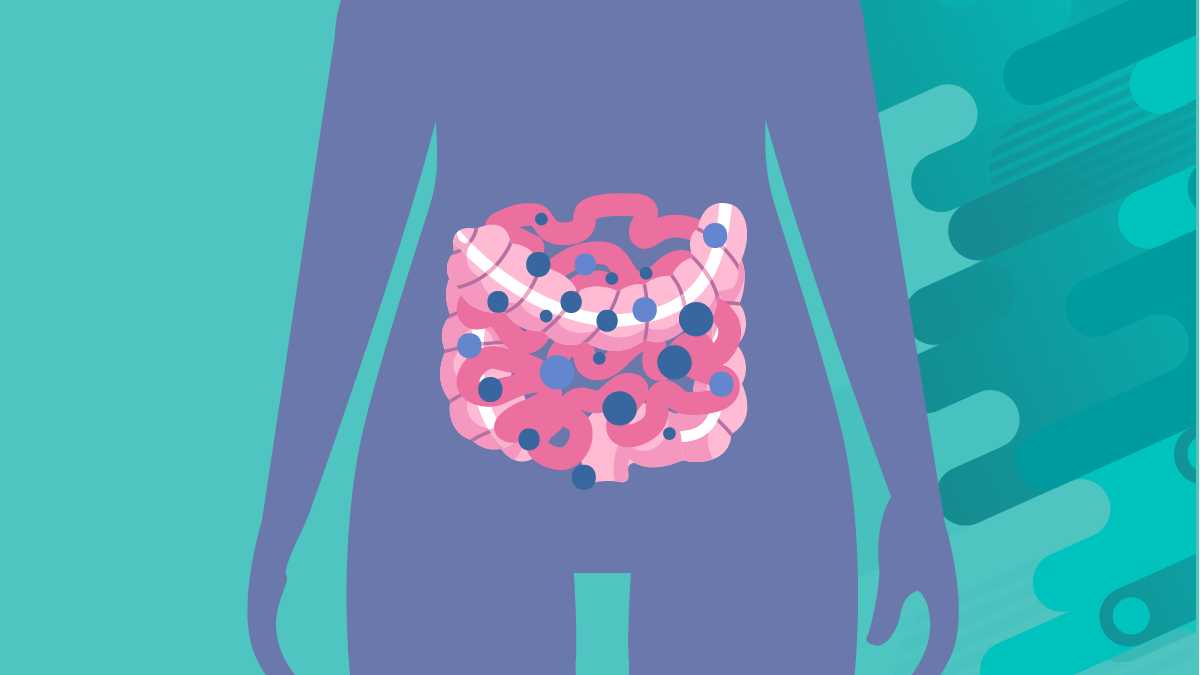
Candidiasis is a fungal infection caused by Candida, a fungal yeast. Everyone has Candida on their skin and in body parts, like the mouth, throat, and vagina. Most of the time it does not cause any symptoms.
Candidiasis occurs when Candida grows out of control. Infections can occur in different parts of the body and cause symptoms ranging from mild to severe. Vaginal candidiasis, often referred to as a vaginal yeast infection, is one of the most common fungal infections. Severe infections of the blood or internal organs, called invasive candidiasis, can occur in people with certain risk factors. Not everyone is at risk for invasive candidiasis.
Types and strains
Types of infection
Types of infections include:
- Vaginal candidiasis, often referred to as vaginal yeast infection
- Infections of the mouth or throat, also called thrush.
- Candidiasis of the esophagus (tube leading from the throat into the gut)
- Skin infections
Invasive candidiasis is the most severe type of infection and can affect hospitalized patients and injection drug users. It occurs when Candida infects the internal organs, like the kidney or brain. Invasive infections that travel through the bloodstream are known as candidemia.
Species
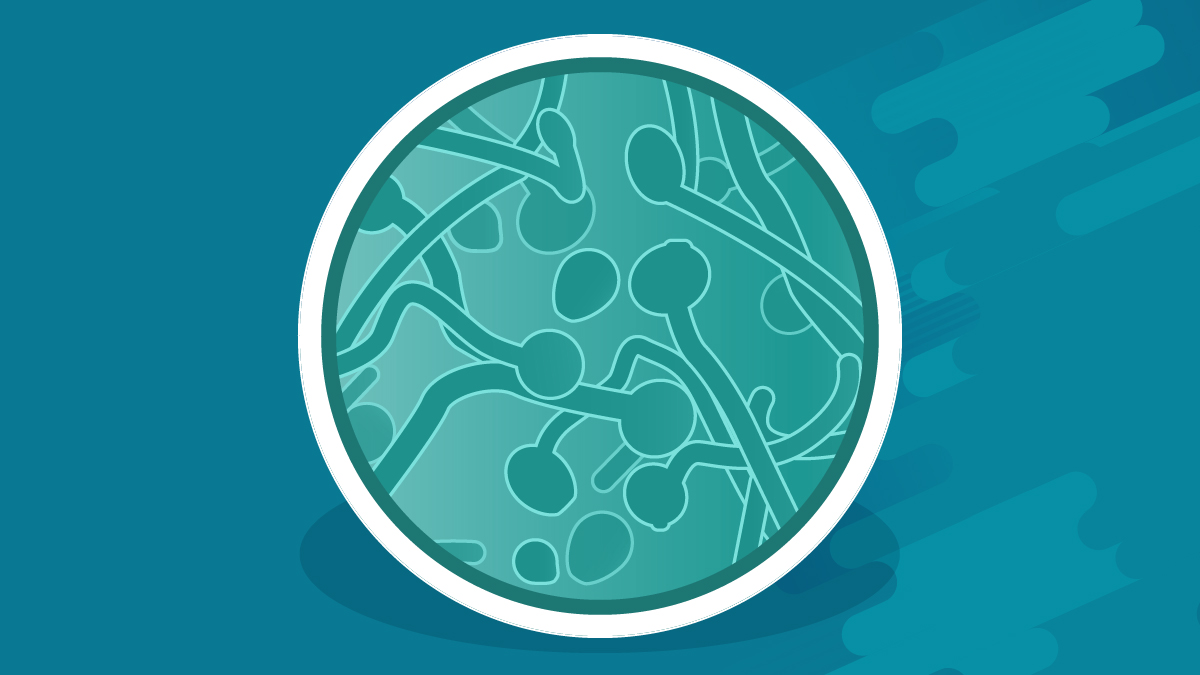
Many types (species) of Candida live on the skin and in parts of the body and normally do not cause any health effects. The most common species that can overgrow and cause candidiasis are: Candida albicans, Candida glabrata, Candida parapsilosis, Candida tropicalis, and Candida krusei.
Symptoms
Symptoms of candidiasis depend on the part of the body that is infected.
Some examples of types of infection and symptoms include:
- Vaginal yeast infection -vaginal itching, soreness, and discharge.
- Thrush- white patches, redness or soreness.
- Candidiasis in the esophagus - pain and difficulty swallowing.
- Skin infections- itching or burning rash with skin breakdown.
- Invasive candidiasis- fever and chills are common.
- Symptoms depend on which organs are affected or whether the bloodstream is infected (candidemia).
- People who get invasive candidiasis are already sick making it hard to determine symptoms.
Risk factors
People with weakened immune systems are at greater risk for all types of candidiasis. Other risk factors depend on the type of infection.
*Invasive candidiasis is not considered a risk for people without these risk factors. Invasive devices include catheters, central lines, ventilators.
Treatment and recovery
Candidiasis can be treated with different types of antifungal medications. Antifungal medications come in different forms: topical (creams, lozenges, oral rinses), pills, or intravenous solutions (taken through the vein). The type, dose, and length of antifungal treatment depend on the type and severity of infection and underlying health conditions.
This page was last updated on this date. Updates may include minor edits, image changes, or other modifications to page content.
The information on this page was last reviewed by subject matter experts to ensure accuracy.