



At a glance
- Patients who are colonized with Candida auris (C. auris) are at risk for invasive infections.
- Use precautions for colonized patients who require invasive medical devices and surgical procedures.
Risk for infection
C. auris is found on the skin of patients who are colonized, and typically identified through screening with skin swabs. Patients with clinical infections may also be colonized. They can have C. auris on their skin while other body sites are infected.
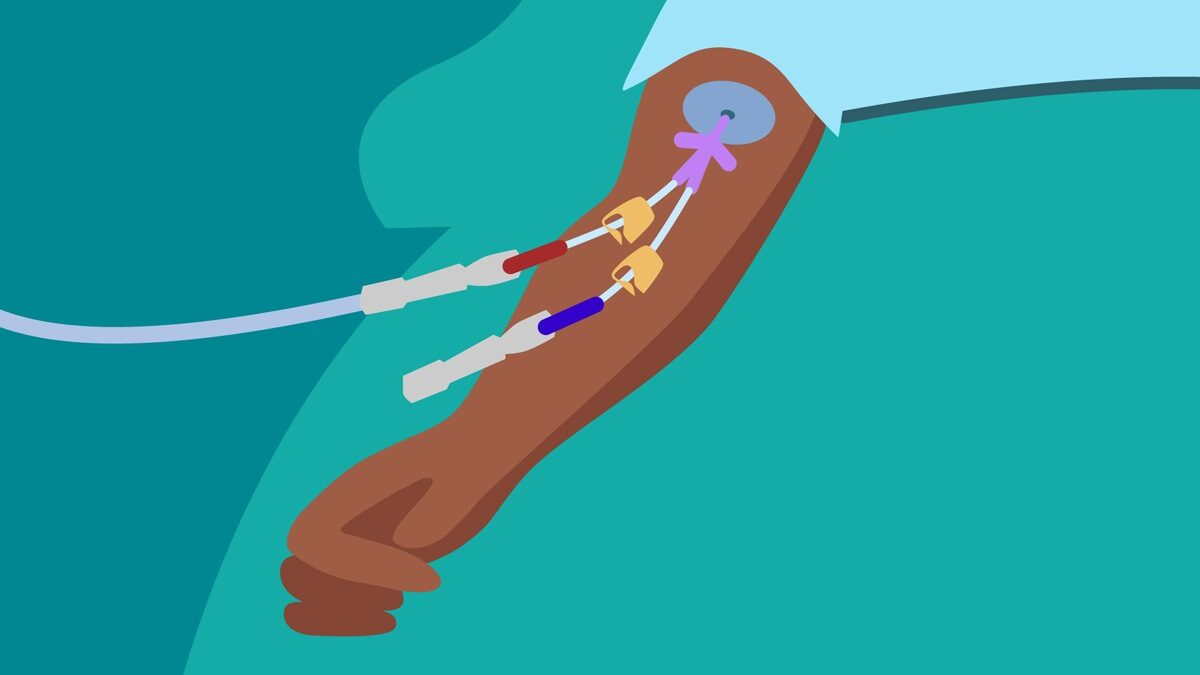
C. auris on the skin can enter the body through invasive devices, incisions, wounds, and during surgery. Special precautions should be taken to prevent invasive infections. The same infection prevention and control measures are used for all colonized patients, regardless of infection.
Appropriate care for medical devices
C. auris typically affects patients with severe underlying medical condition. Many of these patients require invasive medical devices, lines and tubes inserted into their bodies. Examples include central venous catheters, urinary catheters and tracheostomy tubes. C. auris can enter the body through these devices.
To help prevent invasive infections through medical devices, healthcare providers should follow recommendations for:
- Central venous catheter and urinary catheter insertion and care.
- Care for tracheostomy sites.
- Facility protocols for care for medical devices.
- Staff adherence to recommendations and protocols.
Clinicians should continually assess the need for invasive devices and promptly remove them when they are no longer needed.

Precautions for surgical procedures
Patients who are colonized or infected with C. auris are at risk for surgical site infections. Strict adherence to the CDC Guideline for the Prevention of Surgical Site Infection is critical. Meticulous skin preparation in the operating room should be performed using an alcohol-based agent unless contraindicated.
This page was last updated on this date. Updates may include minor edits, image changes, or other modifications to page content.
The information on this page was last reviewed by subject matter experts to ensure accuracy.