



What to know
- You can help protect yourself and others from Campylobacter infection.
- Wash your hands regularly with soap and water.
- Be careful when preparing raw meat, poultry, and seafood.
- Drink treated water and pasteurized milk.
- Be mindful when playing with or taking care of pets.
Prevention tips
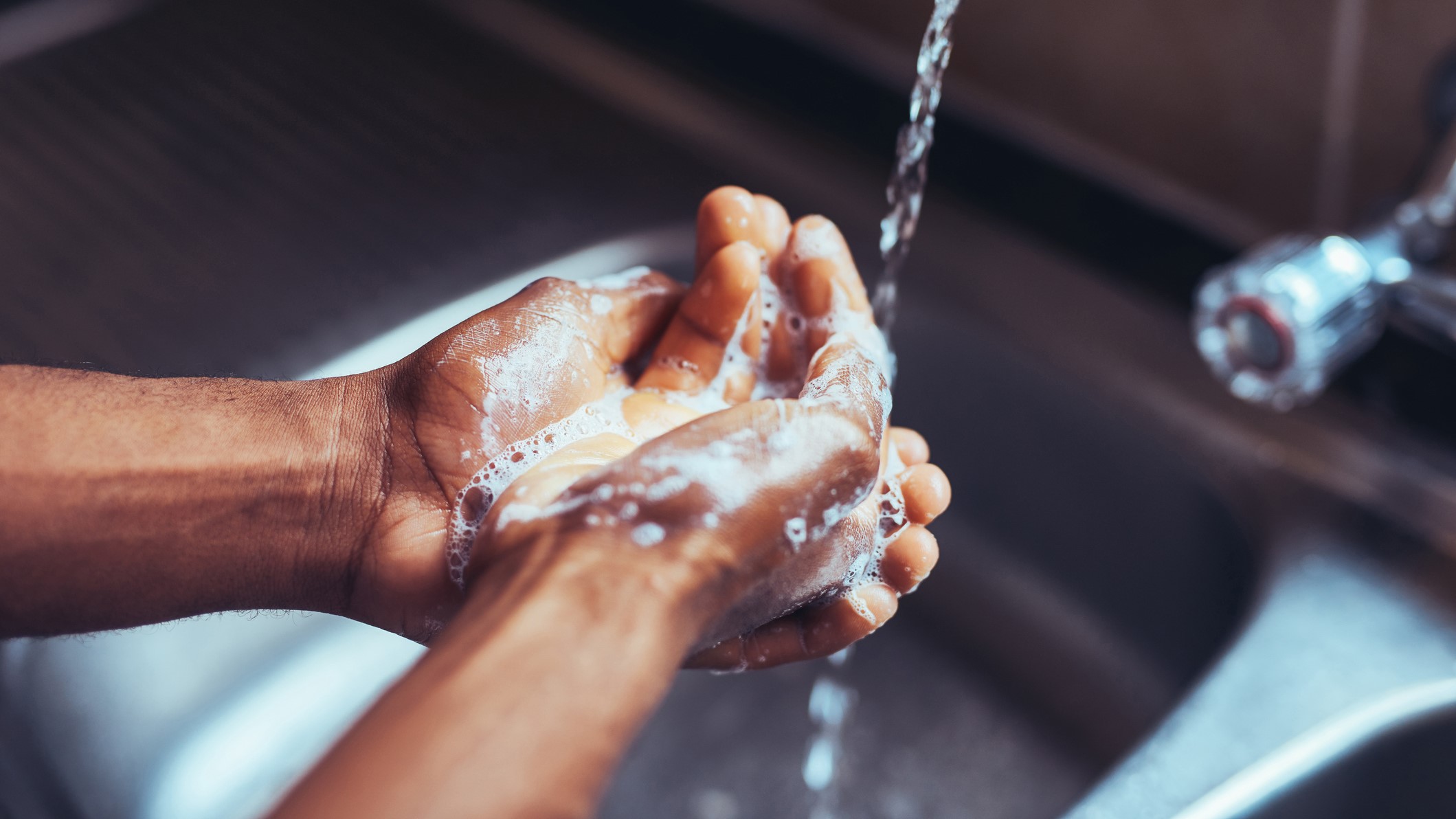
Wash your hands
Campylobacter and other harmful germs can survive on your hands. Wash your hands thoroughly with soap and water:
- Before, during, and after preparing food
- Before eating food
- After using the toilet
- After changing diapers or cleaning up a child who has used the toilet
- After blowing your nose, coughing, or sneezing
- Before and after caring for someone who is sick
- Before and after treating a cut or wound
- After touching pets and other animals or their food or poop
- After touching garbage
Keep certain foods separated
Keep raw meat away from other foods. Use separate cutting boards and clean them properly.
- Use one cutting board for raw meat (including poultry, seafood, and beef).
- Use another cutting board for fresh fruits and vegetables and other foods.
- Clean all cutting boards, countertops, and utensils with soap and hot water after preparing any kind of raw meat.
Cook food to the right temperature
Be extra careful with poultry, one of the top causes of Campylobacter infection in the United States. Poultry includes chicken, turkey, duck, goose, and other farmed birds.
- Cook poultry and foods containing poultry (such as sausages and casseroles) to a safe internal temperature of 165°F.
- If you get poultry that seems undercooked in a restaurant, send it back for further cooking.
Drink pasteurized milk
Pasteurized milk and juices have undergone a process called pasteurization. Pasteurization kills harmful germs, including Campylobacter. Look for the word "pasteurized" on the label when shopping for milk, dairy products, and juices. If in doubt, don't buy it!
Drink safe, treated water
Be aware of the source of your drinking water, if it's been treated to remove harmful germs, and if it's safe to drink.
- Do not drink untreated water from streams, rivers, ponds, or lakes.
- Ensure wells are a safe distance away from possible sources of contamination, such as septic tanks, livestock, and manure.
- Have septic tanks and wells inspected regularly to ensure that they are functioning properly.
Take care with pets
Pets and other healthy animals can carry germs that can make you sick. Follow CDC's tips to help keep yourself, your family, and your pets healthy.
This page was last updated on this date. Updates may include minor edits, image changes, or other modifications to page content.
The information on this page was last reviewed by subject matter experts to ensure accuracy.