



What to know
National Breast and Cervical Cancer Early Detection Program (NBCCEDP) award recipients share their strategies for increasing cancer screenings.
New partnership triples cervical cancer screenings in New Orleans
The Greater New Orleans area, which includes Orleans and Jefferson parishes, has the largest population in Louisiana. Despite this, women in the area had few options for low-cost cervical cancer screenings.
Before 2024, the Louisiana Breast & Cervical Health Program had only two clinics in Orleans Parish. One is in a part of New Orleans East that is hard to reach. The other is centrally located but has only a few doctors. Women who needed follow-up care after an abnormal cervical cancer screening were often sent to these clinics, where they faced long wait times and a complicated process to get financial help.
The program wanted to make it easier for women in New Orleans to get screened for cervical cancer and get follow-up care if needed. So the program expanded its partnership with St. Thomas Health Clinic, a clinic that serves patients in Orleans and Jefferson parishes even if they can't afford to pay. The St. Thomas Health Clinic already partnered with the program for breast cancer screening navigation. The expanded partnership now includes cervical cancer screening services.
To support this growth:
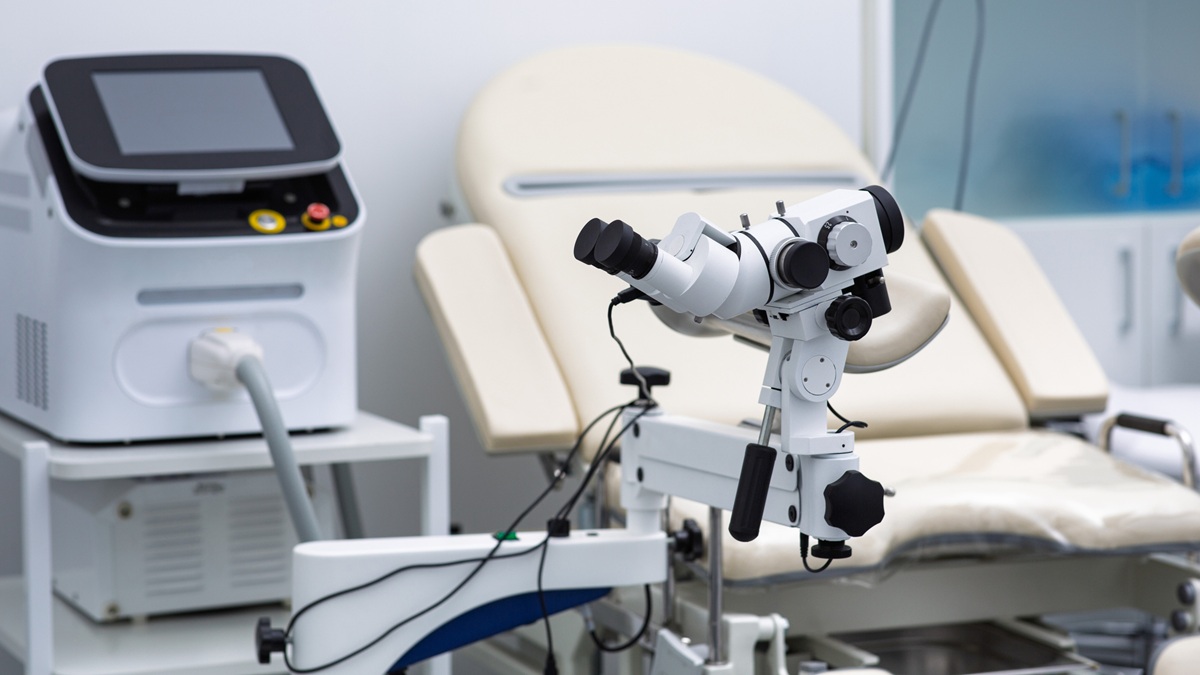
- The program paid for a colposcope—a key piece of equipment used in cervical cancer follow-up care—at one St. Thomas Health Clinic location. The colposcope allows patients to get follow-up care at the same clinic where they were screened.
- The clinic received money from another source to buy a second colposcope for another site.
As a result, the program provided cervical cancer screening to a lot more women. Between June 2024 and June 2025, 1,013 women in the New Orleans area were screened for cervical cancer through the program, nearly three times the 346 women served the year before.
Arkansas program expands eligibility and outreach to serve more women
Arkansas Breast Care has provided low-cost breast and cervical cancer screenings to women who qualify since 1997. In 2015, the program provided services to about 1,900 women, the lowest number in its history. This was largely because many women who previously qualified to receive services from the program were able to get health insurance or Medicaid, so they were no longer qualified.
To help increase the number of women they served, Arkansas Breast Care expanded the number of women who qualify for the program and reached out to more women and doctors.
More women qualified for the program:
- The maximum household income of women who qualify was raised to 2.5 times the federal poverty level.
- The program began offering cervical cancer screenings to women at age 21.
- The program offered breast cancer screenings to women younger than 40 who might have symptoms of breast cancer.
The program also reached out to women and doctors:
- Program staff called or sent reminder letters to women who were overdue for breast and cervical screening.
- Staff made a brochure that explains who is eligible for the program and a fact sheet with basic information about breast and cervical cancer. Staff shared these materials with doctors and community organizations.
- The program helped hire doctors in areas where there were not enough doctors to meet the demand. The program also helped increase telecolposcopy sites in these areas. (A colposcopy is when a doctor looks for abnormal cells on a woman's cervix, vagina, and vulva using an instrument called a colposcope. It's usually done when a woman has abnormal results on a cervical cancer screening test. A telecolposcopy is when a primary care doctor or nurse does the colposcopy while consulting with a gynecologic cancer specialist in another area.)
- Nurses and patient navigators helped patients enroll in the program and get screening and treatment. They also reached women through community organizations such as local health coalitions, chambers of commerce, local and state government agencies, and hospitals.
The number of women screened through the program increased steadily from 2022 to 2024. In 2025, the program served more than 7,500 women, which was 18% more than it expected to serve and the highest number ever.
This page was last updated on this date. Updates may include minor edits, image changes, or other modifications to page content.
The information on this page was last reviewed by subject matter experts to ensure accuracy.