



Staff Bio
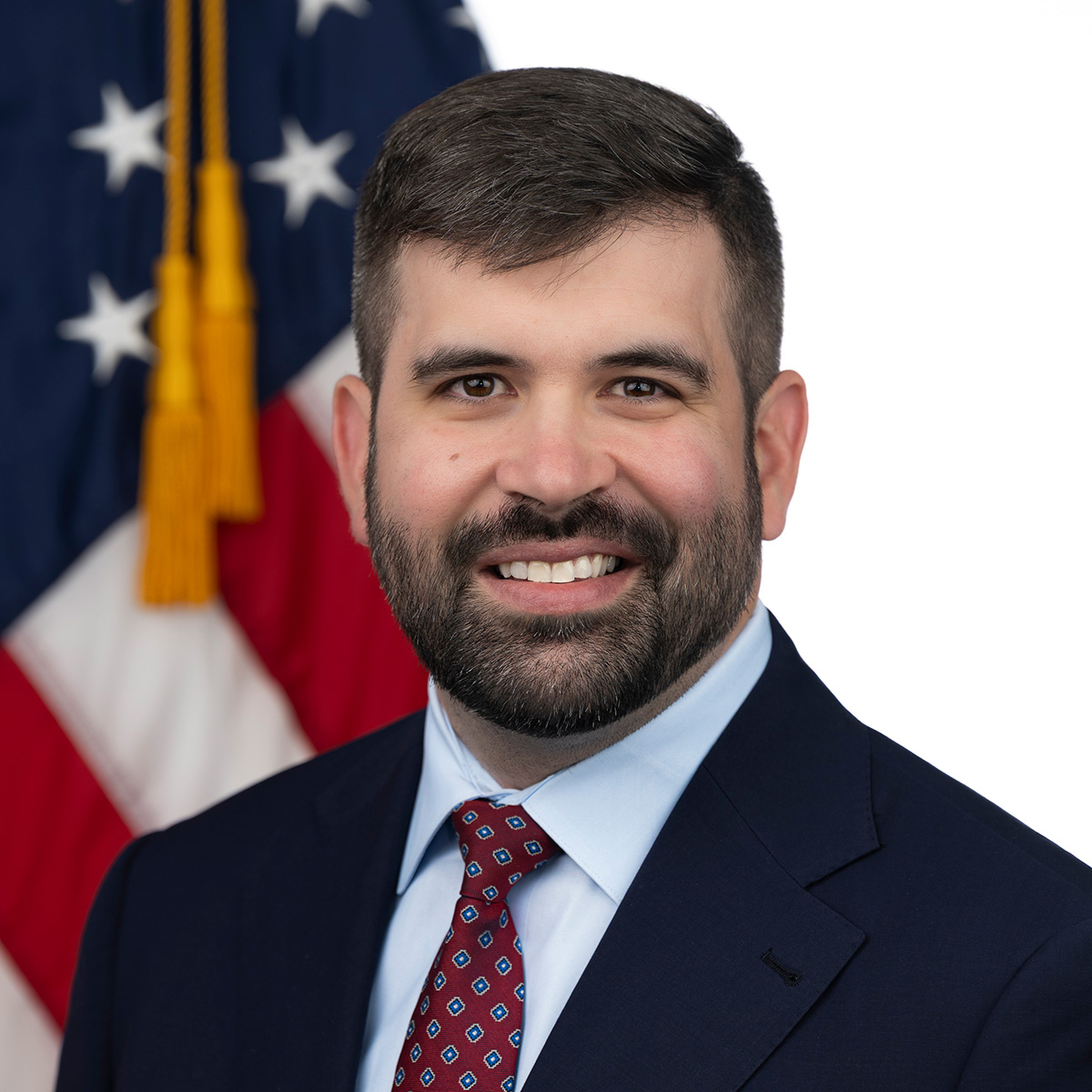
Matthew Ferreira, DVM, MPH, MS, is Deputy Director for Global Health for CDC.
Role at CDC
Matthew Ferreira, DVM, MPH, MS, serves as Deputy Director for Global Health at the Centers for Disease Control and Prevention (CDC), where he provides executive leadership for CDC's global health programs and partnerships. He works across the U.S. government, with ministries of health, and with international partners to protect Americans from global health threats by preventing, detecting, and responding to outbreaks at their source, while strengthening sustainable public health capacity worldwide.
Dr. Ferreira brings more than a decade of experience leading initiatives at the intersection of public health, international policy, and national security, with a focus on translating scientific evidence into operational decision-making during public health emergencies.
Dr. Ferreira serves as Counselor to the Secretary of the U.S. Department of Health and Human Services (HHS) for Global Policy, advising the Secretary and senior Department leadership on global health policy, international engagement, emerging infectious diseases, biodefense, and health security. In this role, he helps coordinate Department-wide policy and operational responses to international public health threats while advancing U.S. global health priorities.
Previous experience
Previously, Dr. Ferreira served as an epidemiologist with the U.S. Department of State, where he advised senior Department leadership on infectious disease threats affecting U.S. personnel and operations worldwide.
Earlier in his career, he conducted infectious disease research at the University of Chicago and held leadership roles supporting large-scale humanitarian and public health operations.
A veterinarian and epidemiologist by training, Dr. Ferreira has authored peer-reviewed publications on infectious disease epidemiology, HIV prevention, antimicrobial stewardship, and biosecurity, and has presented his work at national scientific conferences. His career has focused on strengthening global health security, advancing preparedness for emerging infectious diseases, and building partnerships that help countries detect and respond to health threats at their source.
This page was last updated on this date. Updates may include minor edits, image changes, or other modifications to page content.
The information on this page was last reviewed by subject matter experts to ensure accuracy.