



About
- Emerging types of ringworm, a fungal infection, are reported worldwide, including the United States.
- Infections tend to be more severe than typical ringworm.
- Some types are resistant to the antifungal drugs used to treat ringworm.
- A new type, Trichophyton mentagrophytes genotype VII (TMVII), has been linked to sexual contact.
- Prevent the spread of ringworm and use antifungal drugs as instructed.

Emerging types of ringworm
Ringworm is a common fungal infection that can affect the skin (anywhere on the body), hair, or nails. It is often mild and may get better with over-the-counter antifungal treatment.
Some emerging types of ringworm are different. They can cause infections that are more severe and difficult to treat. Some emerging types are resistant to antifungal drugs typically used to treat ringworm. One concerning type of ringworm is linked to intimate or sexual contact.
Major types
Three emerging types of ringworm reported in the United States are: Trichophyton indotineae (T. indotineae), Terbinafine-resistant Trichophyton rubrum (T. rubrum), and Trichophyton mentagrophytes genotype VII (TMVII).
T. indotineae and terbinafine-resistant T. rubrum are concerning because they may not respond to typical antifungal drugs used to treat infections. Travel may increase the risk of exposure to drug-resistant ringworm. These drug-resistant types are more common in parts of the world, including parts of South Asia.
TMVII is the type most commonly linked to intimate or sexual contact. TMVII infections are not usually resistant to antifungal drugs, but can be. Infections may take weeks or months to treat. In the United States, TMVII cases are reported locally, and after domestic and international travel.
Signs and symptoms
Emerging ringworm may cause rashes on the face or body that are:
- Spread across the body or cover large areas of skin
- Red (or brown or gray on darker skin)
- Painful or inflamed
- Itchy
- Scaly
- Pus-filled
Rashes can look different from person to person. Some may cover more of the skin or be more painful or inflamed than typical ringworm.

Ringworm infections associated with intimate or sexual contact, like TMVII, may affect areas such as:
- Genitals (penis or skin folds around the vaginal opening)
- Buttocks
- Groin
- Face
- Trunk, arms, or legs
When to seek medical care
Talk to a healthcare provider if your rash:
- Is not improving, especially after using over-the-counter treatment.
- Is spreading, painful, or pus-filled.
- Is on the genitals, groin, buttocks, or face.
- Keeps coming back.
Tell your healthcare provider if you have traveled recently, especially to places where drug-resistant ringworm has been reported more often, including India, Bangladesh, and other parts of South Asia.
If you are diagnosed with a ringworm infection that may have spread through sexual contact, consider telling your sexual partner(s) and getting tested for other sexually transmitted infections.
Some emerging ringworm infections may require prescription antifungal drugs taken by mouth for several weeks or months. It is important to follow your healthcare provider's instructions and complete treatment as directed.
How to prevent emerging ringworm
The same steps to prevent typical ringworm can help protect against emerging types of ringworm. To lower your risk of getting or spreading infection:
- Keep skin clean and dry.
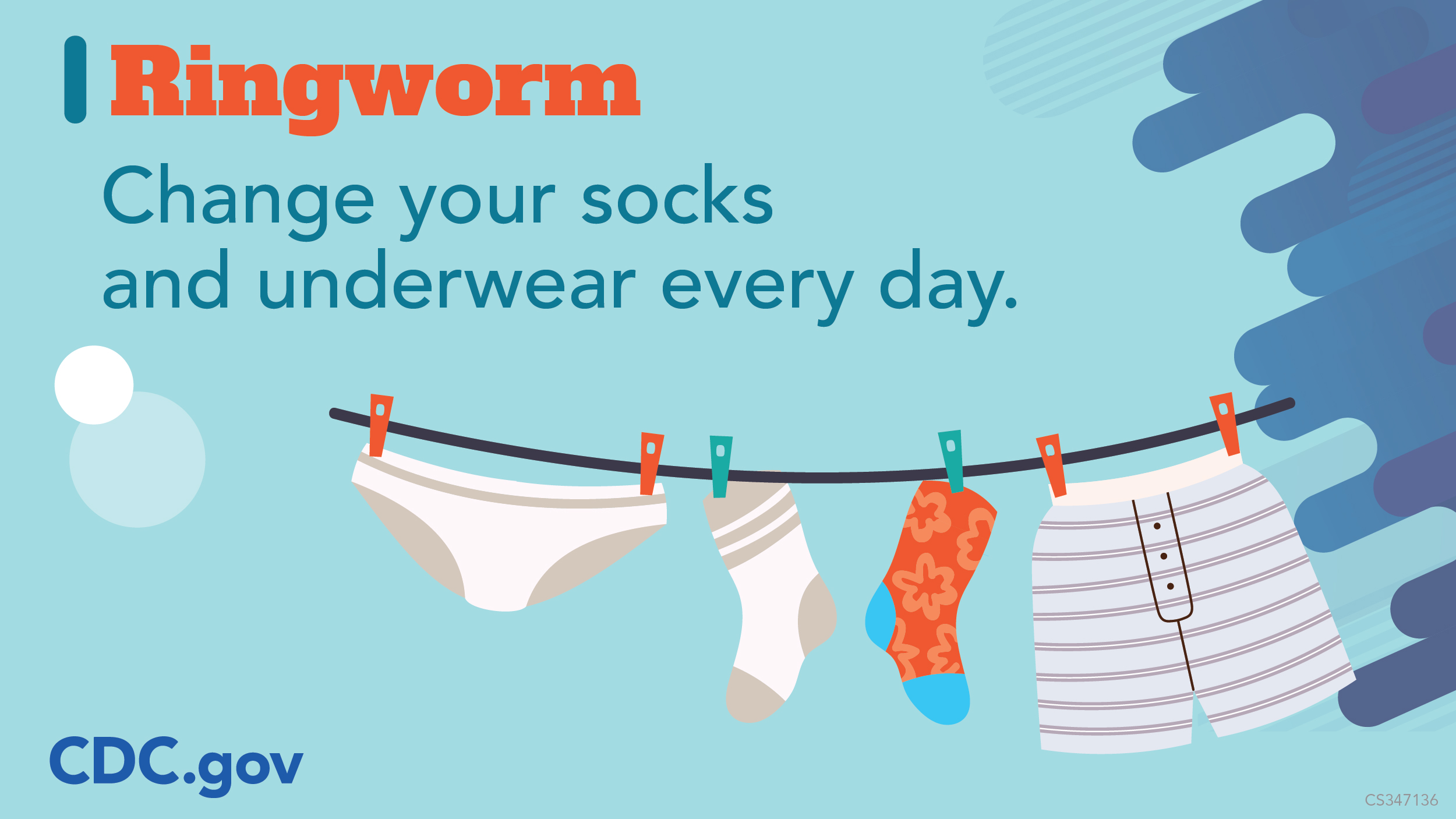
- Change socks and underwear every day.
- Wear sandals in public locker rooms, showers, and pool areas.
- Avoid sharing towels, bedding, clothing, or other personal items.
- Avoid skin-to-skin contact with anyone who has known or suspected ringworm.
- Wash hands after touching a rash on yourself, another person, or an animal.
- Seek care for any new or unexplained rashes on yourself or on a partner.
This page was last updated on this date. Updates may include minor edits, image changes, or other modifications to page content.
The information on this page was last reviewed by subject matter experts to ensure accuracy.