



Key points
- CDC uses real-time polymerase chain reaction (PCR) to identify Chlamydia psittaci.
- CDC doesn't use serological testing as a routine diagnostic method.
- Culture may be performed in certain cases.
- CDC only accepts specimens in collaboration with public health laboratories.
- Learn how to get approval prior to submitting clinical specimens to CDC for testing.
Specimen acceptance criteria
Prior to submission of clinical specimens for C. psittaci testing, CDC's Pneumonia & Streptococcus Laboratory Branch requires:
- A consultation
- Pre-approval
Once approved, public health department laboratory staff can forward specimens to CDC.
Specimens from private healthcare providers and institutions must be submitted in consultation with a public health department laboratory for appropriate processing. Public health department laboratory staff can then forward approved specimens to CDC for specialized testing.
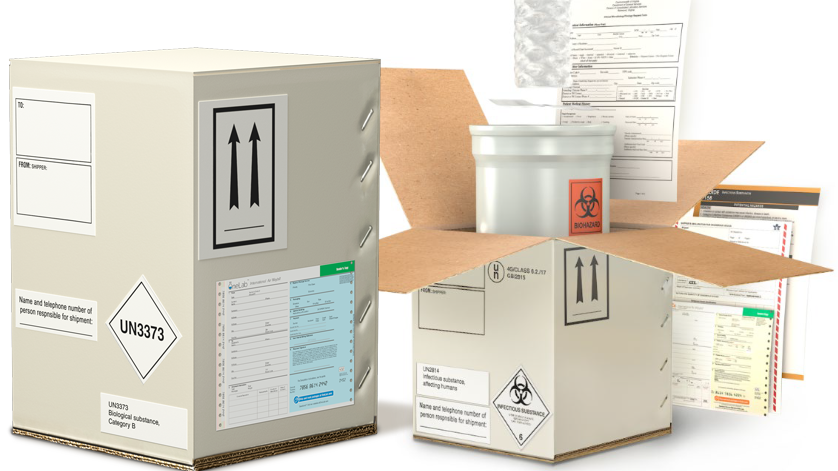
Specimen, documentation, packaging, and shipping
Ideally, specimens submitted for PCR should be sputum or bronchoalveolar lavage fluid. CDC will consider other specimen types upon consultation.
Find information on specimen, documentation, packaging, and shipping requirements: Chlamydia species (respiratory) molecular detection.
Request CDC assistance
Public inquiries
About psittacosis: Contact CDC-INFO at 1-800-CDC-INFO, (800-232-4636), TTY: (888) 232-6348, or email CDC-INFO.
About specific outbreak investigations: Contact the relevant state or local health department.
Health department inquiries
CDC can assist health departments investigating outbreaks of psittacosis. This can involve epidemiologic, laboratory, and communication consultations, as appropriate.