



At a glance
Mold is a fungal growth that forms and spreads on damp or decaying organic matter. There are many different mold species that form in many different colors. However, the color of mold does not necessarily indicate that it is more or less dangerous.
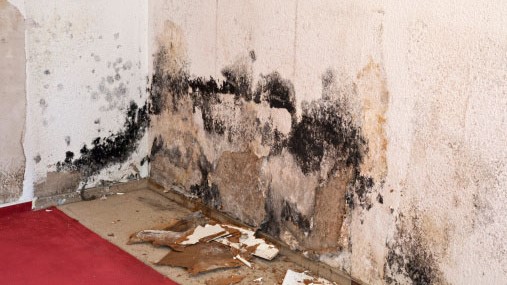
Basics on mold
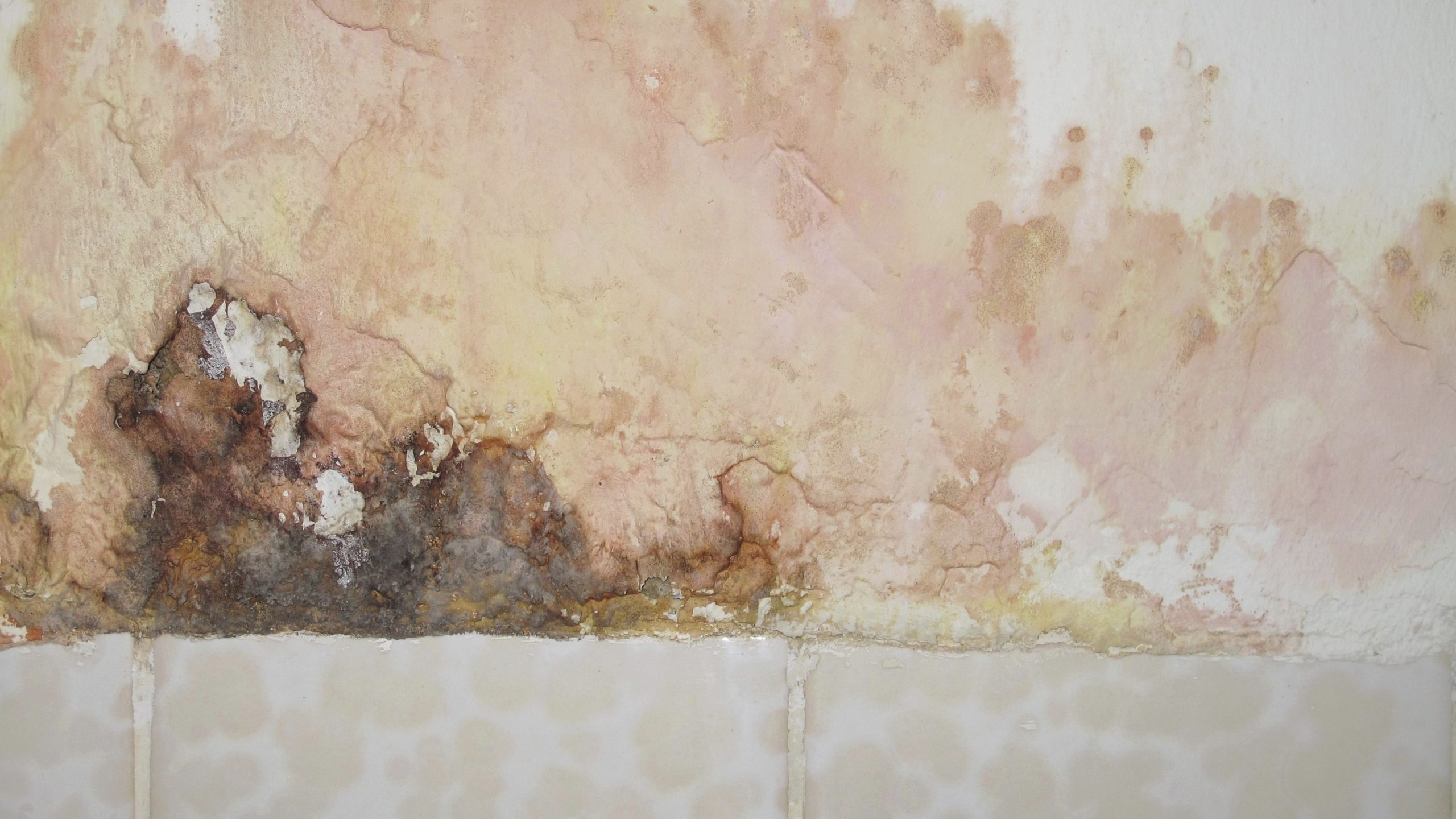
Mold is found indoors and outdoors in all climates and during all seasons. It survives outdoors by using plants and decaying organic matter as a source of nutrition.
Indoors, molds need moisture and a carbon source from building materials to grow. Excess moisture is generally the major cause of indoor mold growth.
Molds reproduce by releasing spores in the air until landing in other locations. When they settle on wet or moist surfaces, they can form new mold colonies. The types of molds found in typical dry indoor spaces are not rare or unusual.
No indoor space is completely free from mold spores. Molds are everywhere. This makes exposure unavoidable, whether indoors or outdoors, at home or at work.
Toxic mold
Certain molds are toxigenic, meaning they can produce toxins (mycotoxins). However, the molds themselves are not toxic or poisonous. Molds that produce mycotoxins, like Stachybotrys chartarum, should be considered the same as other molds that can grow in your house or workplace.
Any mold growing in buildings indicates a problem with water or moisture and should be immediately addressed. For further information on Stachybotrys chartarum, go to CDC's webpage Facts about Stachybotrys chartarum.
Environmental testing
There are no health-based standards for mold or other biological agents in indoor air. We do not recommend routine air sampling for mold with building air quality evaluations.
In many cases, very short-term sampling for mold spores is performed. However, the results, especially negative findings of mold, may not represent actual exposures.
Spore counts and culture results (colony forming units) are often included in indoor air quality reports. These do not capture the full range of exposures. Therefore, measured mold concentrations in spore counts or colony forming units with short-term air samples cannot be interpreted in relation to health risks.
What building occupants react to is unknown. It may be:
- Mold
- A compound produced by mold
- Something related to bacteria
- Compounds from building materials released into the air
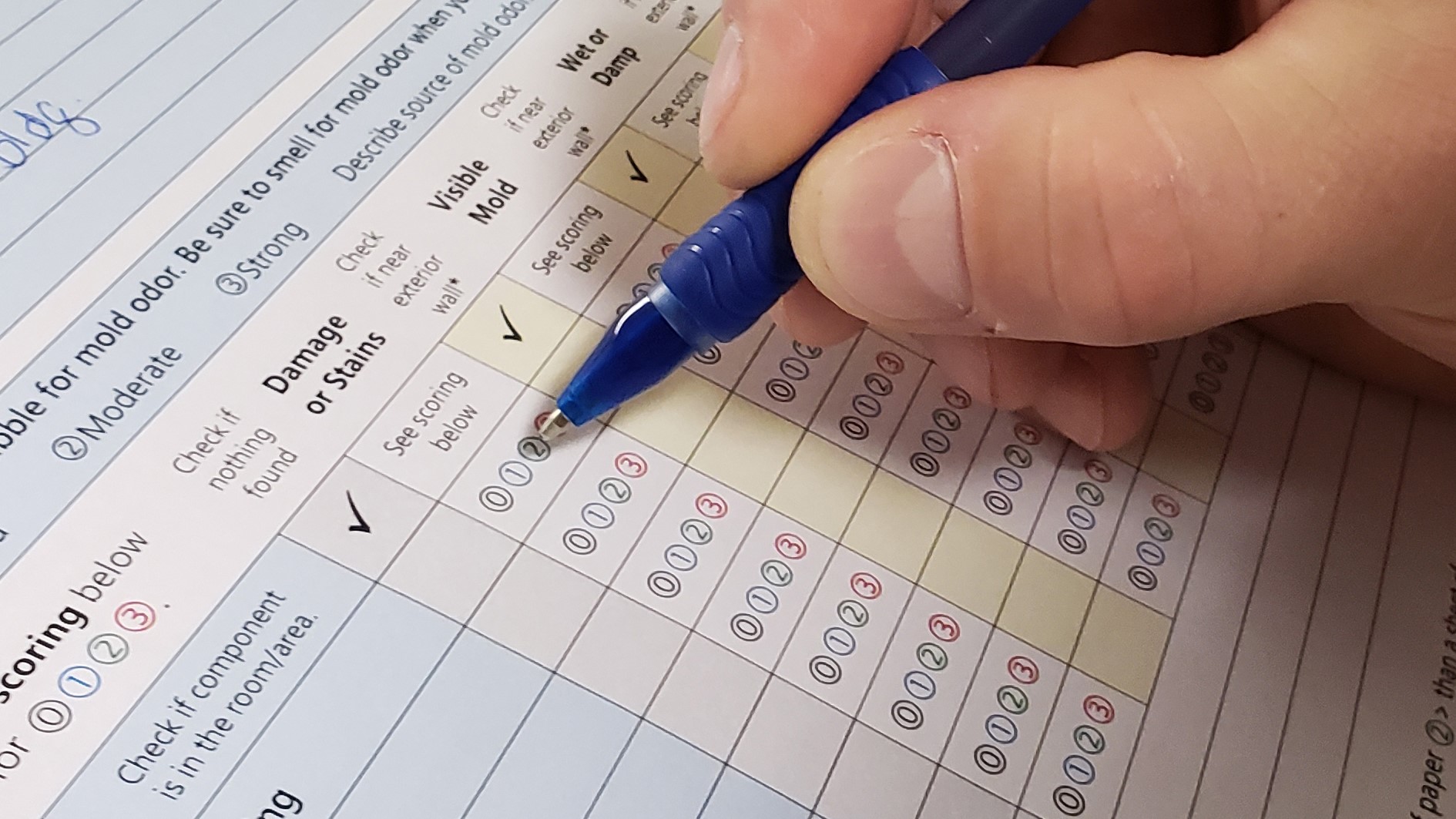
NIOSH has found thorough visual inspections or detecting problems by musty odors are more reliable than air sampling.
Visual assessment
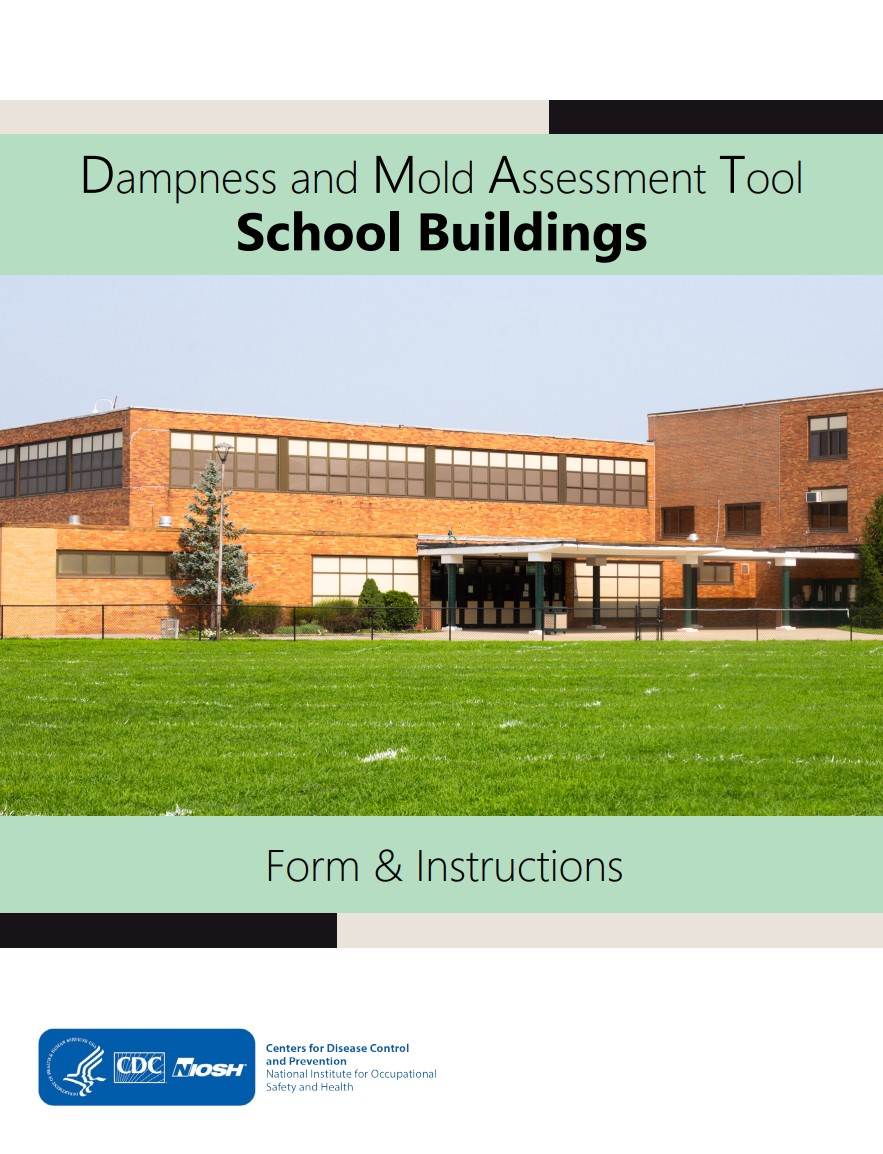
To help assess for dampness, NIOSH developed the Dampness and Mold Assessment Tool (DMAT) for schools and general buildings.
Remediation
Appropriate remediation includes:
- Dry wetted materials within 48 hours of getting wet or remove the materials.
- Make necessary repairs to prevent further water entry into the building.
- Follow appropriate remediation guidelines with proper containment when identifying mold on materials. Inappropriate remediation (e.g., painting over water-damaged materials or moldy surfaces) can cause further problems.
- Monitor areas using the NIOSH Dampness and Mold Assessment Tool to ensure repairs and remedial actions are effective.
Action steps for workers and management
Workers
If you suspect health problems are caused by exposure to building-related dampness or mold, you should:
- Report concerns immediately to your supervisor or building maintenance.
- See your healthcare provider for proper diagnosis and treatment.
- Discuss with your healthcare provider whether you should avoid working in the affected environment. They can help determine the most appropriate next step, such as working from a different location, if appropriate.
Management
Management and building owners can establish an indoor environmental quality team consisting of building employees, employers, and building management. The EPA Indoor Air Quality Tools for Schools Action Kit can be used as a model for such a program.
When workers report health problems related to exposure to dampness or mold, managers and owners should:
- Respond when worker health concerns are reported.
- Keep a record of when and where mold or water-damaged materials are discovered and what has been done to fix the underlying problem.
- Inform workers about steps taken to assess the mold or dampness problem, what remediation actions have been determined, and what needs to be determined.
- Monitor areas to ensure repairs and remedial actions are effective.
This page was last updated on this date. Updates may include minor edits, image changes, or other modifications to page content.
The information on this page was last reviewed by subject matter experts to ensure accuracy.
- Cho SJ, Cox-Ganser JM, Park J-H [2015]. Observational scores of dampness and mold associated with measurements of microbial agents and moisture in three public schools. Indoor Air 26(2):168-178. DOI: 10.1111/ina.12191.
- NIOSH [2012]. NIOSH Alert: Preventing occupational respiratory disease from exposures caused by dampness in office buildings, schools, and other nonindustrial buildings. Morgantown, WV: U.S. Department of Health and Human Services, Public Health Service, Centers for Disease Control and Prevention, National Institute for Occupational Safety and Health, DHHS (NIOSH) Publication No. 2013-102, http://www.cdc.gov/niosh/docs/2013-102/.
- Park J-H and Cox-Ganser JM [2022]. NIOSH dampness and mold assessment tool (DMAT): Documentation and data analysis of dampness and mold-related damage in buildings and its application. Buildings 12(8):1075, https://doi.org/10.3390/buildings12081075.