



At a glance
- Up-to-date information and resources on Hazardous Drug Exposures in Healthcare.
- NIOSH developed a suite of tools to help identify hazardous drugs and how to handle them appropriately.
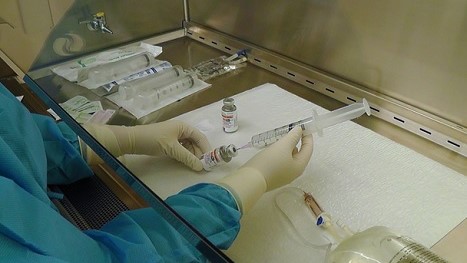
Featured hazardous drug resources
Final determinations updates
NIOSH has also published two final determinations to remove the drugs liraglutide and pertuzumab from the NIOSH 2016 List as designated on the NIOSH List of Hazardous Drugs in Healthcare Settings, 2024, available here.
Who is at risk?
Healthcare workers who prepare or administer hazardous drugs (e.g., some cancer therapy, antiviral, hormone therapy, and bioengineered agents) or who work in areas where these drugs are used may be exposed to these agents in the workplace. About 8 million U.S. healthcare workers are potentially exposed to hazardous drugs, including:
- pharmacy and nursing personnel
- physicians
- operating room personnel
- environmental services workers
- workers in research laboratories
- veterinary care workers
- and shipping and receiving personnel.
Acute and chronic health effects
Published studies have shown that workplace exposures to hazardous drugs can cause both acute and chronic effects such as:
- skin rashes
- adverse reproductive outcomes (infertility, spontaneous abortions, congenital malformations)
- possibly leukemia and other cancers
The health risk to a worker depends on how much exposure the worker has to these drugs and the toxicity of the drugs.
More resources
NIOSHTIC-2 database
NIOSHTIC-2 is a database of occupational safety and health publications funded in whole or in part by NIOSH. These resources are meant to supplement those found on the NIOSHTIC-2 lists. See the NIOSHTIC-2 database search results for:
- Hazardous Drug Exposures in Healthcare
- Antineoplastic Agents/Chemotherapy
- NIOSH Publications on Hazardous Drugs
Workplace solutions
Earlier NIOSH Hazardous Drug Lists
The NIOSH Alert: Preventing Occupational Exposures to Antineoplastic and Other Hazardous Drugs in Health Care Settings (NIOSH Pub No 2004-165) was first published in 2004. The document provided a sample list of major hazardous drugs. The list included information from four institutions that had generated lists of hazardous drugs for their respective organizations, as well as a list from the Pharmaceutical Research and Manufacturers of America). NIOSH has updated the lists in 2010, 2012 and 2014, 2016 2024. Some of the updates include:
- The 2010 update (NIOSH Pub No 2010—167) added 21 drugs to the original list in the 2004 Alert. Additional information for the 2010 update can be found at Peer review and public comment.
- The 2014 update (NIOSH Pub No 2014—138) added 27 drugs and includes a review of the 2004 list and the consequent removal of 12 drugs that did not meet the NIOSH criteria for hazardous drugs.
- The 2016 update (NIOSH Pub No 2016—161) added 34 drugs and includes a review of the 2004 list. This list includes drugs reviewed by NIOSH from January 2012 to December 2013. Additional information for the 2016 update can be found at Federal Register Notice.
- The 2024 update (NIOSH Pub No 2025—103) added 25 drugs, 12 with manufacturer's special handling information, and removed 7 drugs.
This page was last updated on this date. Updates may include minor edits, image changes, or other modifications to page content.
The information on this page was last reviewed by subject matter experts to ensure accuracy.