



What to know
- Animals can get leptospirosis and spread it to people.
- Leptospirosis clinical signs in animals can vary widely; some animals have no signs, while in others, signs may range from mild disease to organ failure or death.
- Antibiotic treatment usually helps animals get better, but organ damage caused by leptospirosis can be permanent.
- Some animals can be vaccinated to prevent infection.
Overview
Leptospirosis is a disease that can affect people and animals, including pets, farm animals, rodents, wild animals like feral swine, and marine mammals. The bacteria that cause leptospirosis are spread through the urine (pee) of infected animals. The bacteria can contaminate water or soil, where it can survive for weeks to months.
How animals get leptospirosis
Animals may get leptospirosis through:
- Direct contact with infected urine (pee) or contaminated water sources, especially drinking from slow-moving or stagnant water sources, like ponds, rivers, lakes, or streams
- Bite wounds or skin damage from other animals, including rodents or farm animals
- Eating infected body tissues or organs
- Being born to an infected mother
Farm animals may also get leptospirosis from breeding with infected animals.
Dogs
Almost every dog is at risk of leptospirosis, whether they live in the country, suburbs, or city. Dogs can be at higher risk if they roam where they may be exposed to infected wildlife or farm animals, or contaminated water sources. They are also at higher risk if they have contact with other dogs at dog parks or boarding or training facilities.
A vaccine to prevent leptospirosis in dogs is available in the United States.
At first, dogs may have the following signs:
- Fever
- Depression
- Lethargy (not moving much)
- Loss of appetite
- Joint or muscle pain
- Eye and nasal discharge
- Changes in how much they pee
- Jaundice (yellowing of the eyes and skin)
Within a few days, dogs infected with leptospirosis may start throwing up, become dehydrated, and have back pain from kidney failure.
Cats
Leptospirosis is not common in cats, but outdoor cats likely have a higher risk from contact with infected rodents and wildlife or contaminated water sources. Most infections are likely mild, but they could have clinical signs similar to those of dogs. Infected cats may shed leptospirosis in their urine for months to years and contribute to environmental contamination if they live outdoors.
A vaccine to prevent leptospirosis in cats is not available in the United States.
Horses
Leptospirosis is common in horses in the United States. The infection can cause disease that affects their eyes, reproductive systems, and kidneys.
There is a vaccine that helps avoid severe infection in horses. You can help prevent and reduce the spread of leptospirosis through good management practices.
Cows, goats, and sheep
Leptospirosis in cows is a well-recognized disease that affects their reproductive system. It shows up in two ways:
- Chronic infection (also called silent infection) is more common.
- Acute infection is not as common, and it's usually seen as an outbreak
Leptospirosis in goats and sheep is similar to disease in cows.
There is a vaccine available to control leptospirosis in cows, goats, and sheep. Antimicrobials can help treat animals that have been diagnosed with the disease. Good animal management practices can help prevent and reduce the spread of leptospirosis.
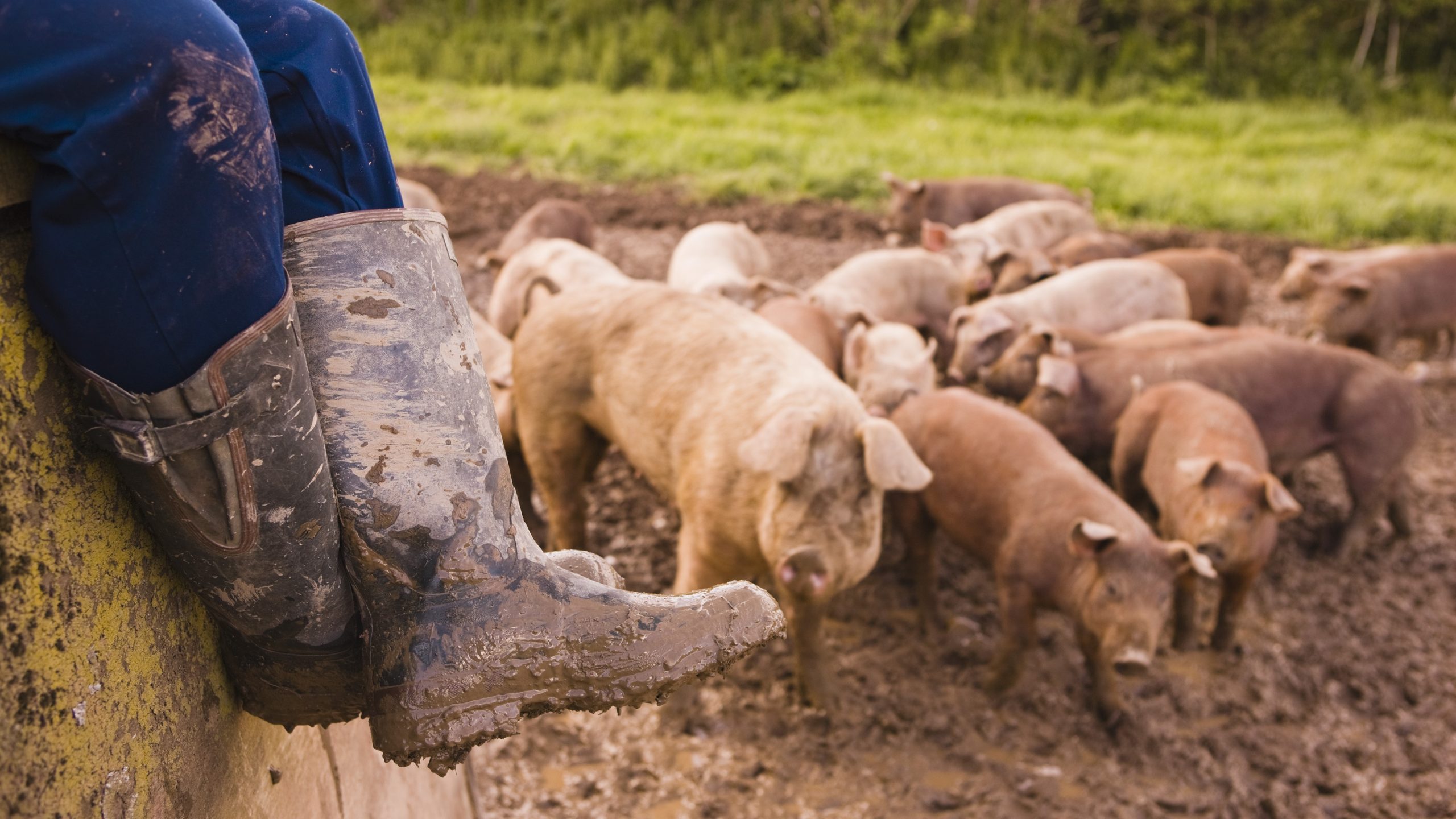
Domestic pigs and wild pigs (feral swine)
Leptospirosis is a common disease of pigs and feral swine throughout the world. It can be a major cause of reproductive loss, including abortions, stillbirths, or weak piglets.
Hunters and other people who may come in contact with infected feral swine might get leptospirosis. Feral swine may also spread leptospirosis to pets, farm animals, and other wildlife.
Vaccination can help avoid infection in pigs. You can help prevent and reduce the spread of leptospirosis through good livestock management practices.
Marine mammals
Leptospira, the bacterium that causes leptospirosis, was first found in 1970 in California sea lions along the coast of California, Oregon, and Washington. Since the 1980s, there have been yearly seasonal outbreaks in the sea lions, with severe outbreaks every 4-5 years.
Other marine mammals that can be infected with leptospirosis include the northern fur seal, elephant seal, and Pacific harbor seal.
Clinical signs in animals
- Fever
- Depression
- Lethargy (not moving much)
- Loss of appetite
- Joint or muscle pain
- Eye and nasal discharge
- Changes in how much they drink or urinate (pee)
- Jaundice (yellowing of the eyes and skin)
- Vomiting, dehydration, back pain from kidney failure
- Fever
- Eye infection that keeps coming back (uveitis)
- Abortion (pregnancy loss in animals)
- Acute kidney failure
Cows, goats, and sheep
- Abortion
- Stillbirth
- Birth of weak offspring
- Infertility
- Milk that is slightly red from blood
- Going back into heat after already being pregnant (in cows)
- Fever
- Abortion
- Stillbirth
- Birth of weak or sick piglets
- Jaundice
- Acute kidney failure
- Loss of appetite
- Increased drinking and urinating (peeing)
- Depression
- Don't want to use hind flippers
- Acute kidney failure
- Vomiting
Download and print this chart for at-your-fingertips information about leptospirosis signs in animals:
Treatment in animals
If you think an animal may have leptospirosis, contact a veterinarian immediately. The veterinarian can perform tests to see if the animal has the disease and start treatment as soon as possible.
If an animal is treated early with antibiotics, it may recover faster, and it can help prevent severe organ damage. It may also need other treatment methods, such as dialysis and fluids.
Prevention in animals
Rodent control
Rodents can carry and spread the bacteria that cause leptospirosis. To help prevent leptospirosis infection in animals, limit access to rodents (rats, mice, or other animal pests) and keep rodent problems under control.
Vaccination
In the United States, dogs, horses, cows, sheep, goats, and pigs can be vaccinated against leptospirosis. The vaccine does not provide 100% protection because there are many different strains of the bacteria, and it does not cover all of them. Even if an animal has had leptospirosis before, vaccination is still recommended as it may protect against the other strains and make any future leptospirosis infections less severe.
Livestock management practices
In farm animals, preventing leptospirosis may include a combination of vaccination and livestock management practices, including the following:
- Ensure animals have access to safe drinking water and preventing access to potentially contaminated sources (e.g. ponds, standing water).
- Control the rodent population
- Avoid co-grazing or mixing with other animal species, especially pigs.
- Avoid introducing new animals into a herd without quarantine, health assessment, and vaccination.
- Avoid bull- or boar-sharing for reproductive services.
Your veterinarian can provide specific recommendations based on your location, number of animals, risk factors and control options.

Preventing spread from animals to people
If an animal has leptospirosis and is not fully treated, it may continue to shed the bacteria in its urine for up to 3 months, potentially spreading the disease to people and other animals.
How to prevent spread
- Avoid urine or blood from the infected animal before it has received proper treatment.
- If you must have contact with animal tissues or urine, cover your wounds with a waterproof dressing and wear protective clothing like gloves and boots. This is especially important if your job puts you at risk (veterinarians, farm workers, and sewer workers).
- Always wash your hands after handling your animals or anything that might have animal urine or feces (poop) on it.
- If you're cleaning surfaces that may be contaminated from an infected animal, use antibacterial cleaning solution or a solution of 1 part household bleach in 10 parts water.
- Make sure your infected animal takes all prescribed medicine and follow up with your veterinarian.
Resources
- Merck Veterinary Manual: Leptospirosis in Animals - Overview - Generalized Conditions
- Updated ACVIM consensus statement on leptospirosis in dogs
- Protect Yourself from Leptospirosis after a Storm fact sheet
- Protect Yourself from Leptospirosis after a Storm fact sheet in Spanish
- Leptospirosis in Animals - Overview - Generalized Conditions - Merck Veterinary Manual (merckvetmanual.com)
- Leptospirosis in Cats - Cat Owners - Merck Veterinary Manual (merckvetmanual.com)
- Leptospirosis in Ruminants - Generalized Conditions - Merck Veterinary Manual (merckvetmanual.com)
- Leptospirosis in Horses - Generalized Conditions - Merck Veterinary Manual (merckvetmanual.com)
- Leptospirosis | The Marine Mammal Center
- Microsoft Word - FINAL Leptospirosis and marine mammals.doc (state.or.us)